

Training kids for a marathon is a fun and rewarding experience. How to train kids for marathon success is all about ensuring they build the right endurance, strength, and mental focus to cross the finish line. Kanavu Run offers a structured program designed to help children prepare for marathons, teaching them essential skills for running and pacing. How to Train Kids for Marathon: A Structured Training Plan To train kids for a marathon, the key is consistency. Kanavu Run’s approach includes a comprehensive training plan that helps young runners build stamina, speed, and strength progressively: Nutrition for Peak Performance A balanced diet is crucial for fueling young runners. How to train kids for marathon success also includes teaching them the importance of nutrition. Pre-race meals help kids maintain energy levels throughout the race, ensuring they perform their best. Hydration, healthy snacks, and protein-rich meals during and after the race aid recovery and boost energy levels for optimal performance. Pacing and Mental Focus Pacing and mental resilience are key elements in marathon training. Kanavu Run teaches kids how to train for marathon success by focusing on pacing strategies. Starting slow and maintaining a steady pace conserves energy for the final miles. Mental focus is just as important. Teaching kids to stay positive and break the race into smaller, manageable sections will keep them motivated and avoid feelings of overwhelm. Ready to Train Kids for Marathon Success? Training for a marathon is an exciting challenge for kids. With the right approach, children can develop not only their physical strength but also their mental resilience. How to train kids for marathon success begins with Kanavu Run’s structured program. Join us today and help your young athlete achieve their marathon dreams! Join Kanavu Run today and give your child the tools they need to succeed in their marathon journey!

The Story Behind How Marathon Got Its Name: A Look at the Kanavu CrossCountry Run
How Marathon Got Its Name is a question many ask when they first encounter this iconic race. The story behind the marathon is rooted in ancient Greek history, symbolizing endurance and human resilience. Over the years, it has evolved into one of the most famous long-distance races worldwide. This blog takes a closer look at how the term “marathon” came to be, and how its legacy continues to inspire events like the Kanavu CrossCountry Run. How Marathon Got Its Name: The Origins of the Legendary Race The term “marathon” dates back to an event in ancient Greece in 490 BC. After the Greek victory at the Battle of Marathon, a soldier named Pheidippides is said to have run from the battlefield to Athens to deliver the message of victory. This run, approximately 26 miles, became the basis for the modern marathon. Over time, the race distance was standardized to 26.2 miles, preserving the distance that symbolizes both challenge and great victory. Marathon Recovery Tips: Regain Strength & Confidence remind runners that completing this historic distance requires not only endurance but also proper recovery to restore strength and mental confidence after the race. How Marathon Got Its Name represents not just a race, but a symbol of human endurance. The distance of 26.2 miles was adopted and has remained unchanged in marathon races worldwide, honoring the original feat of running from Marathon to Athens. The Kanavu CrossCountry Run: A Local Tribute to Endurance The Kanavu CrossCountry Run, an annual event in Tamil Nadu, is inspired by the same spirit of endurance and determination that marathons embody. While it doesn’t follow the exact 26.2-mile distance, the run challenges participants to push their limits across rural terrains, symbolizing the same perseverance and resilience that the marathon stands for. Like the marathon, the Kanavu CrossCountry Run is a test of strength, both physical and mental. Over the years, it has grown into a celebrated event, drawing participants from across the region. It continues to honor the essence of endurance sports, just like the ancient marathon that started it all. The Marathon Legacy Lives On How Marathon Got Its Name serves as a timeless reminder of the values of endurance, perseverance, and determination. The Kanavu Cross Country Run, while distinct in its own way, reflects these same values, making it a modern-day tribute to the iconic marathon. From ancient Greece to Tamil Nadu, the marathon’s legacy continues to inspire people to challenge their limits and celebrate the power of the human spirit. “Ready to take on the challenge? The Kanavu CrossCountry Run coming soon ..Register at the time and push your limits!”

Why Cross Country Running at Kanavu Run Is Great for Your Body and Mind
The Kanavu Cross Country Run is an annual fitness event organised by Kanavu Startup Village. It brings together fitness lovers, students, families, and runners from around Tamil Nadu to run through open village landscapes with fresh air and peaceful surroundings. The event encourages cross country running as a healthy activity, while also promoting community unity and support for education and awareness causes. If you are thinking about joining your first run, or you want to understand why this kind of running is good — this blog explains it in simple real-life terms. Before the Run: Setting the Stage for Success Starting a run without good preparation can make you feel tired or uncomfortable. For a run like the Kanavu Cross Country Run, preparation is not just about fitness it’s also about enjoying the experience fully. Here are simple ways to prepare: This preparation supports your body well and is part of learning about the joy of cross country running. During the Run: Real Terrain, Real Fun The path of the Kanavu Run goes through open fields and village trails that are not flat like roads. This is one reason many runners enjoy cross country running here it feels like an adventure. On race day, many runners and volunteers gather early in the morning. For example, the 3rd edition of the event in September 2025 had runners from nearby regions and strong community support. The cheering, music, and energy made the event fun and engaging for all ages. Tips during the run: These are practical steps to stay safe and get the best out of your cross country running experience. After the Run: Easy Ways to Recover Well Once you finish, your body needs time to cool down and recover. This helps your muscles relax and your energy come back faster. Simple steps include: Doing these helps your body feel better soon and makes you want to enjoy the next run too. You can also check more details and event rules at https://run.kanavu.org/ to prepare for future years. Real Experience: What Past Participants Say During the 3rd Edition of the Kanavu Cross Country Run, runners aged from school students to adults took part in distances like 1.5 km, 3 km, 5 km, and 10 km. Many runners shared happy moments, saying they felt stronger and more confident after running. They enjoyed not just the run, but the community vibe and support all around them. This shows that cross country running is not just about fitness it’s about creating memories and gaining confidence. Make It a Healthy Habit Cross country running is different from running on city roads. It challenges your legs, lungs, and mind in a natural setting. When you run with others, you push yourself a little more, and that makes your body stronger and your mind calmer. Joining events like the Kanavu Run is a great way to begin or improve your running journey. You can find updated details, registration information, and race categories on the official page https://run.kanavu.org/. Simple Takeaways Here’s why cross country running at Kanavu Run helps both body and mind: This run is a chance for people of all ages to become healthier and more active.
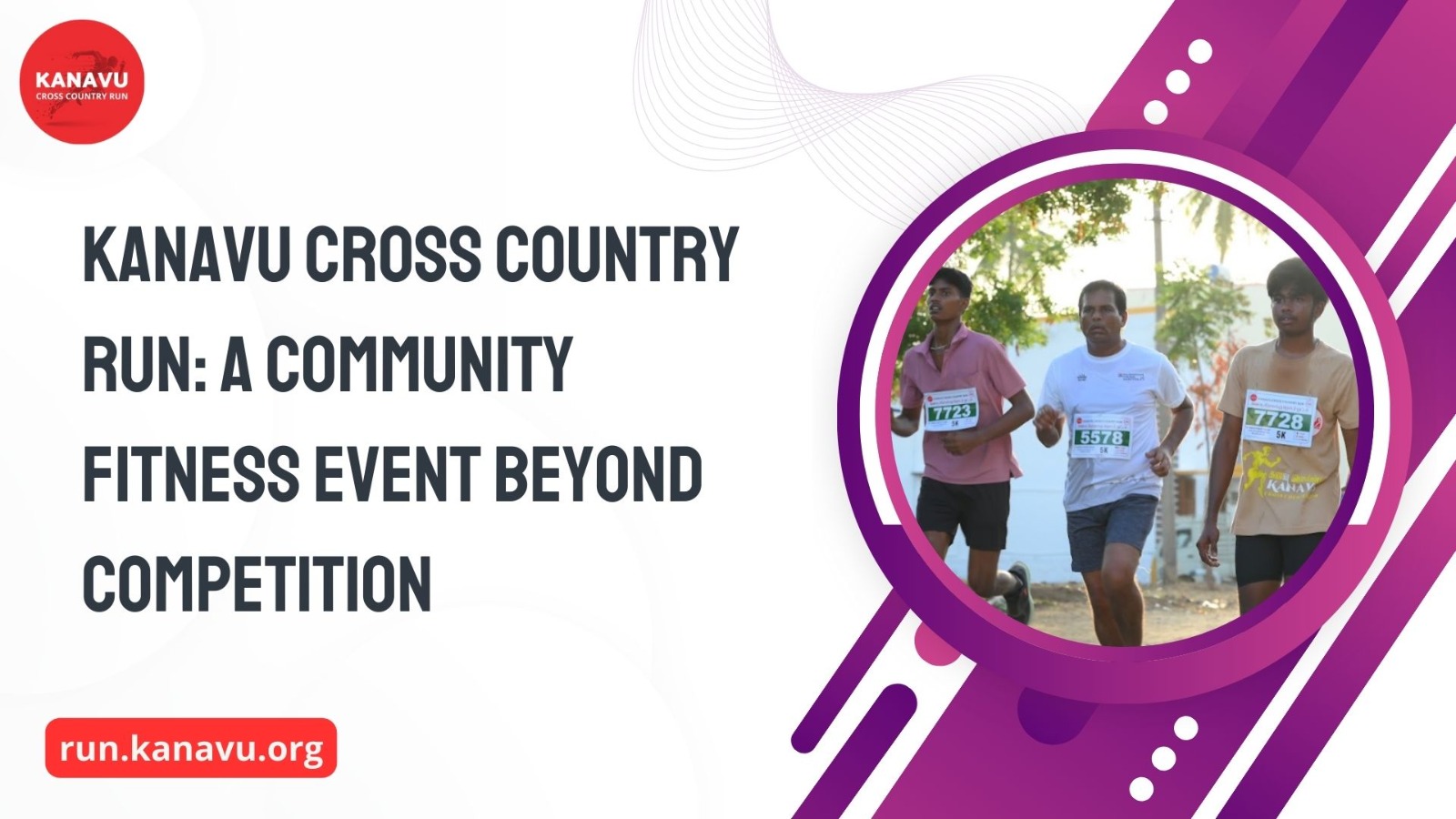
Kanavu Cross Country Run: A Community Fitness Event Beyond Competition
Kanavu Cross Country Run is not designed to create winners and losers. It is a community fitness event that brings people together to celebrate health, unity, and participation. Organized by Kanavu Startup Village, the run focuses on collective well-being rather than individual rankings. How the Idea of a Community Fitness Event Began Kanavu Cross Country Run was started with the intention of encouraging people from all walks of life to stay active and connected. Instead of organizing a highly competitive marathon, the team envisioned a community fitness event that welcomes everyone, students, adults, beginners, and experienced runners alike. The goal was simple: make fitness accessible and meaningful for the local community. Where the Event Takes Place The run is held in the rural setting of Annamalaikottai, Sivagiri, Tamil Nadu, at the Kanavu Startup Village campus. The open fields, village paths, and natural surroundings make the experience calm and refreshing. This environment supports the idea of a community fitness event, where participants focus on enjoying movement and nature rather than racing against time. Why It Goes Beyond Competition Unlike commercial races that emphasize speed and rankings, Kanavu Cross Country Run values participation and togetherness. The event encourages people to run at their own pace and support one another. The run promotes: This approach helps the community fitness event feel welcoming and stress-free. Health and Social Connection Kanavu Cross Country Run shows that fitness can be a shared journey. By bringing people together in one space, the event strengthens social bonds and encourages healthier lifestyles. As a community fitness event, it helps participants build habits that last beyond race day, promoting long-term physical and mental well-being. Growing Stronger With Every Edition Each year, more runners and volunteers join the Kanavu Cross Country Run. Its steady growth reflects how people value events that focus on connection rather than competition. Over time, it has become a trusted community fitness event, proving that fitness initiatives rooted in community values can create lasting impact. Kanavu Cross Country Run stands as a reminder that running does not always have to be about winning. When fitness is shared and inclusive, a community fitness event can inspire healthier lives, stronger relationships, and a more connected society. Want to know How Kanavu Run Began as a Local Running Initiative With a Social Vision read our full blog and make sure to follow our social medias for next timely update on Fourth Edition of Kanavu Cross Country Run.
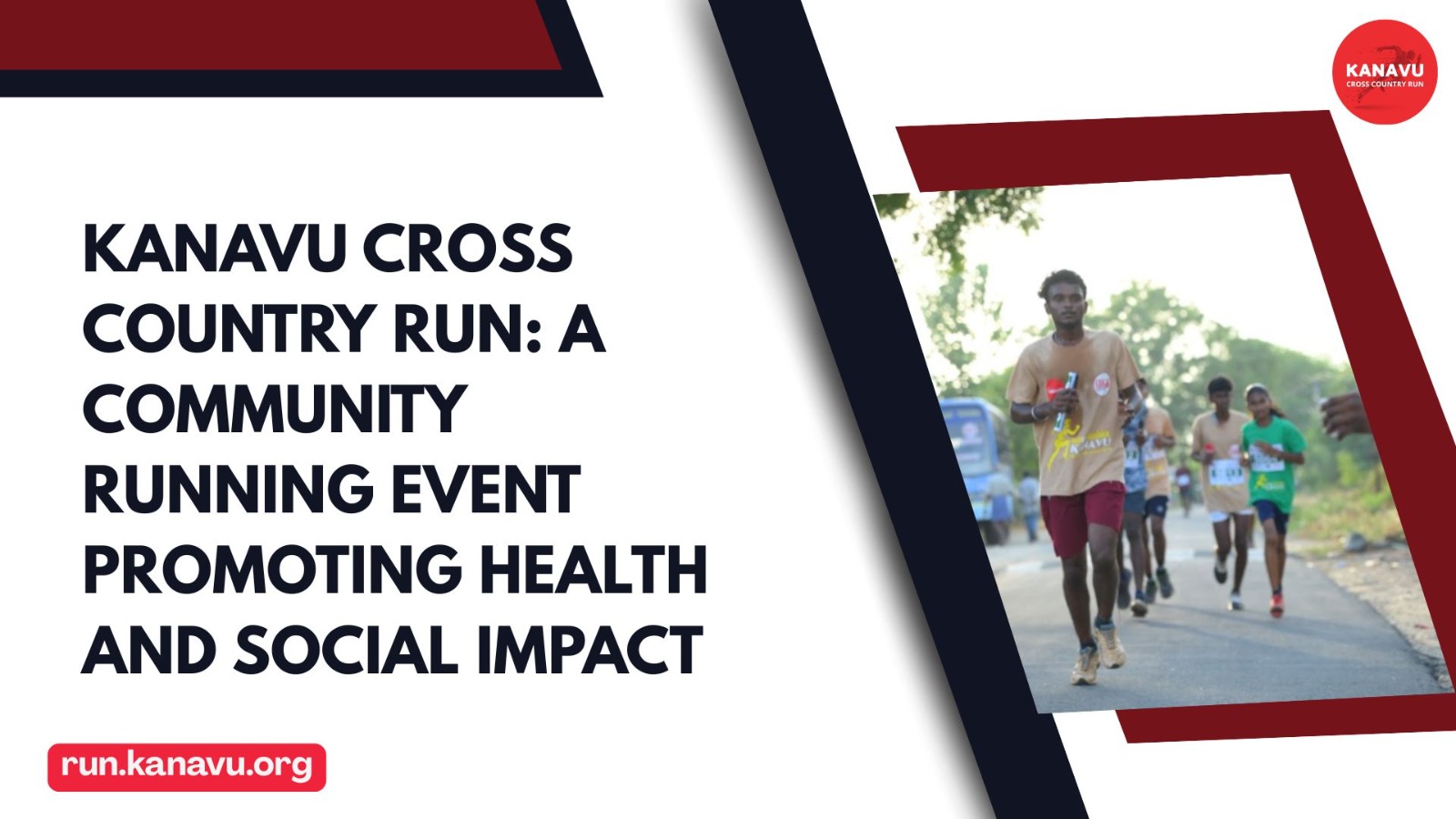
Kanavu Cross Country Run: A Community Running Event Promoting Health and Social Impact
Kanavu Cross Country Run is more than a fitness event. It is a community running event while also spreading awareness about social responsibility and togetherness. Organized by Kanavu Startup Village, the run brings people from different backgrounds together with a shared purpose of improving health and supporting positive change. How and Where the Run Takes Place The Kanavu Cross Country Run is held in the rural surroundings of Annamalaikottai, Sivagiri, Tamil Nadu, at the Kanavu Startup Village campus. The event is usually conducted during the middle of the year and also had a major edition on 7th September 2025. The natural village trails, open grounds, and peaceful environment make it ideal for a community running event, allowing participants to experience fitness in a calm and refreshing setting. The Vision Behind the Run The run is part of the larger vision of Kanavu Startup Village, founded by Karthi Easwaramoorthy and Chitrabanu Duraisamy. Their aim is to strengthen rural communities through education, health, and meaningful social initiatives. Instead of organizing a commercial marathon, they created a community running event that is inclusive, affordable, and welcoming to everyone. What the Event Focuses On Kanavu Cross Country Run is designed to balance physical fitness with social values. The event encourages participants to think beyond competition and focus on overall well-being. The run promotes: This approach makes the community running event suitable for both beginners and experienced runners. Health, Hope, and Social Impact What truly sets the Kanavu Cross Country Run apart is its social impact. The event is not only about running distances but also about spreading messages of hope, unity, and responsible living. By bringing people together for a shared cause, the run becomes a community running event promoting health that inspires long-term lifestyle changes and stronger community relationships. Growing Stronger Every Year With each edition, more runners, volunteers, and supporters join the Kanavu Cross Country Run. The event continues to grow because people connect with its purpose and simplicity. Over time, it has become a trusted community running event, showing that small, grassroots efforts can create meaningful change in society.

Kanavu Run: Cross Country Running Injury Prevention, Endurance Building, and Training Tips for Runners
The Kanavu Cross Country Run happens in village areas around Annamalaikottai and Sivagiri. People run on mud roads, grass fields, and small uneven paths. The run is held early in the morning when the air is fresh. Many people from the village come to watch and cheer. This run is about health, nature, and being together. Because the road is not smooth, runners must be careful. Learning cross country running injury prevention helps runners stay safe and enjoy the run without getting hurt. Warm-up and body preparation Before running, the body should be ready. If we start running suddenly, our legs can pain. A simple warm-up is very helpful for cross country running injury prevention. Endurance building without overtraining Endurance means running longer without getting very tired. Some runners try to run too much in one day. This can cause pain. Slow practice helps cross country running injury prevention and makes the body strong. Running posture and movement During Kanavu Run, the ground can be soft or uneven. Running in the right way helps avoid falls and pain. Good posture is an important part of cross country running injury prevention. Shoes and surface awareness Good shoes protect the feet while running on mud and grass. Old shoes can be slippery. Wearing the right shoes helps in cross country running injury prevention. Recovery and daily care After running, the body needs rest. Rest helps muscles heal and get ready for the next run. Simple care keeps runners healthy. The Kanavu Cross Country Run is not only about speed. It is about running safely, enjoying nature, and feeling happy together. When runners follow these simple steps, they can finish the run with confidence and a smile
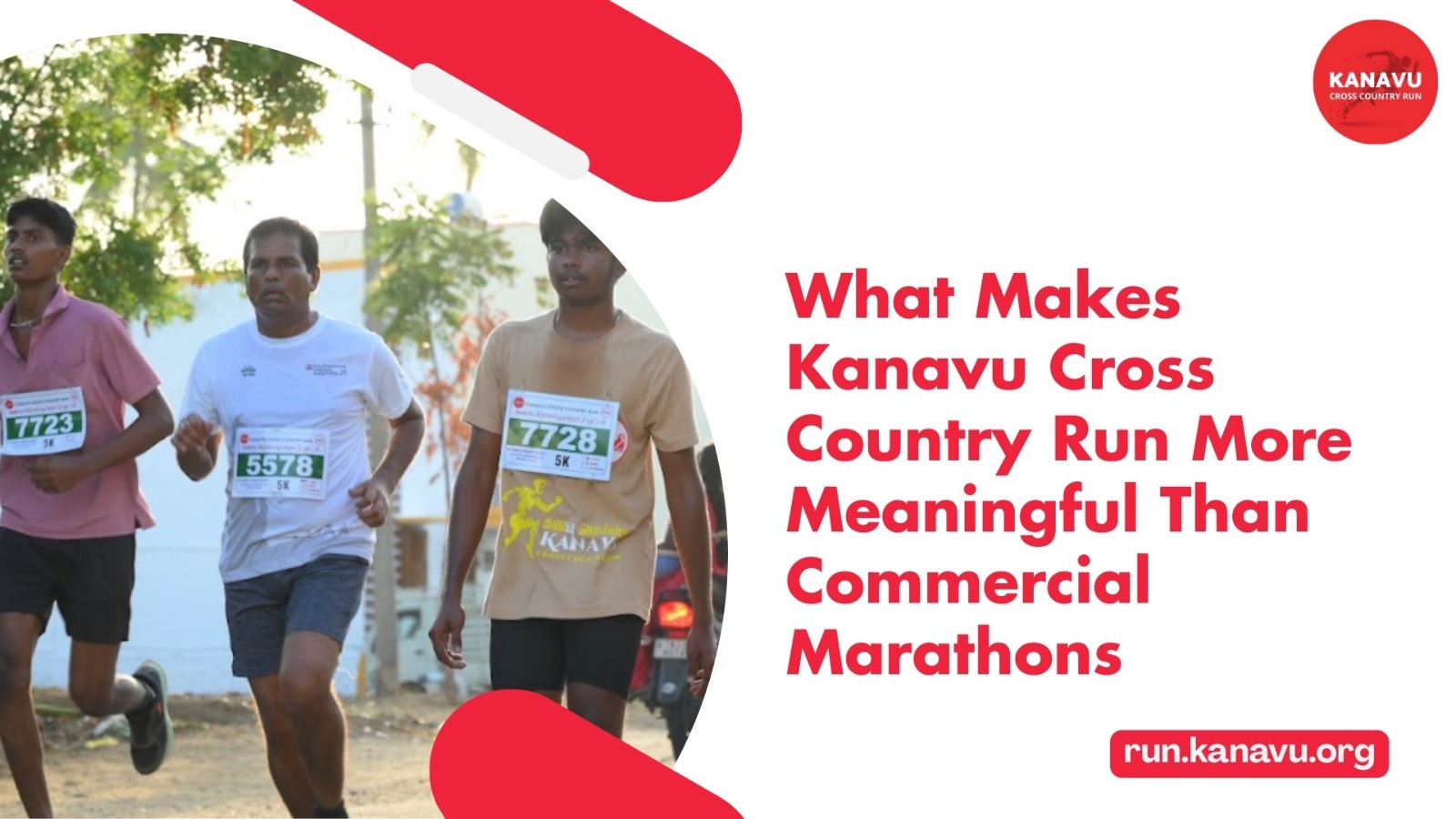
What Makes Kanavu Cross Country Run More Meaningful Than Commercial Marathons
Kanavu Cross Country Run is not just another large-scale race. It is built on values that go beyond sponsorships, crowds, and flashy promotions. Unlike commercial marathons, this event focuses on people, purpose, and participation, making every cross country run feel personal and meaningful. Where It Takes Place and Why It Matters The Kanavu Cross Country Run is held in the rural surroundings of Annamalaikottai, Sivagiri, Tamil Nadu, at the Kanavu Startup Village campus. The natural terrain, open paths, and calm environment reflect the true spirit of a cross country run, where runners connect with nature instead of city traffic and artificial setups. This setting makes the experience more grounded and enjoyable for participants from nearby towns and villages. The People Behind the Run The run is part of the broader vision of Kanavu Startup Village, founded by Karthi Easwaramoorthy and Chitrabanu Duraisamy. Their goal has always been to strengthen rural communities through education, health, and social initiatives. Instead of organizing a commercial marathon, they chose to build a cross country run that welcomes everyone and encourages participation over competition. What Makes It Different From Commercial Marathons Commercial marathons often focus on speed, rankings, and brand visibility. Kanavu Cross Country Run takes a different path by prioritizing: This approach makes the cross country run inclusive and less intimidating, especially for first-time runners. A Run With a Social Purpose Kanavu Cross Country Run is designed to remind people that fitness and social responsibility can go together. Every participant runs not only for personal health but also to support ideas of unity, awareness, and collective growth. This makes the cross country run more meaningful than events that end with just a medal and a photo. Growing With the Community Every Year Each year, the Kanavu Cross Country Run attracts more runners, volunteers, and supporters from surrounding regions. The event continues to grow because people connect with its honest purpose and simple structure. Over time, it has proven that a cross country run rooted in community values can leave a lasting impact far beyond race day. New to Marathon Running? Start HereGet easy-to-follow marathon tips, training guides, and running knowledge designed for first-time and regular runners.👉 Explore now: https://run.kanavu.org/
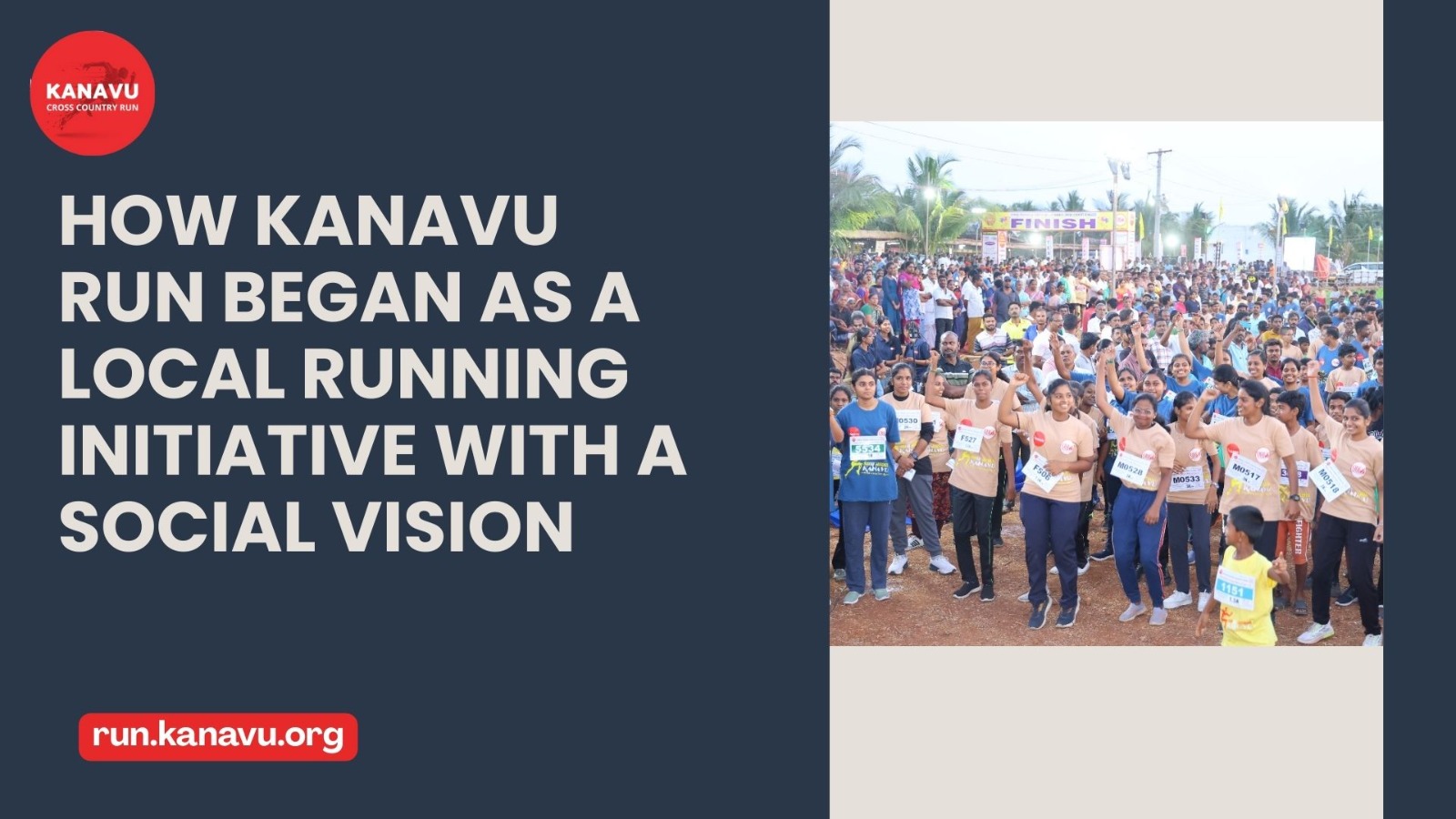
How Kanavu Run Began as a Local Running Initiative With a Social Vision
Kanavu Run is not just any race. It started as a local running initiative to bring people together for fitness, nature, and social unity. This run is part of the work of Kanavu Startup Village, an organization founded by Karthi Easwaramoorthy and Chitrabanu Duraisamy to help communities in rural India grow stronger and healthier. When and Where It Started The Kanavu Cross Country Run first became a yearly event in the rural village area of Annamalaikottai, Sivagiri, Tamil Nadu. It is usually held in late June or early July and also had a major edition on 7th September 2025, bringing runners and supporters from nearby regions together. The beautiful natural trails around the village make the run special. Runners move through open fields, misty meadows, and peaceful outdoor paths that celebrate nature and physical fitness. Who Started It and Why Kanavu Run was started by the leaders of Kanavu Startup Village, founded by Karthi Easwaramoorthy and Chitrabanu Duraisamy, which is part of a larger vision to build stronger rural communities through education, fitness, and social events. The idea was simple: create a local running initiative that promotes: It was meant to be more than just a race, it was a message about health and togetherness. What the Run Stands For Kanavu Run was designed as a local running initiative to teach people that fitness and social care can go hand in hand. Every runner is not only running for their health but also supporting the idea that community matters. The run includes: This combination helped Kanavu Run become a unique event in the region. The Social Vision Behind the Run What made the event special is its social vision. Kanavu Run was created not just as a fitness race but as a way to bring people close and spread messages of unity, strength, and healthy living. Because of this, it became more than a race, it became a local running initiative that taught people the value of togetherness and caring for one another. Growing Together Every Year Every year, more runners come to take part in the Kanavu Cross Country Run. The event continues to grow as a local running initiative that celebrates: The run shows that a small idea can grow into something meaningful for many people.
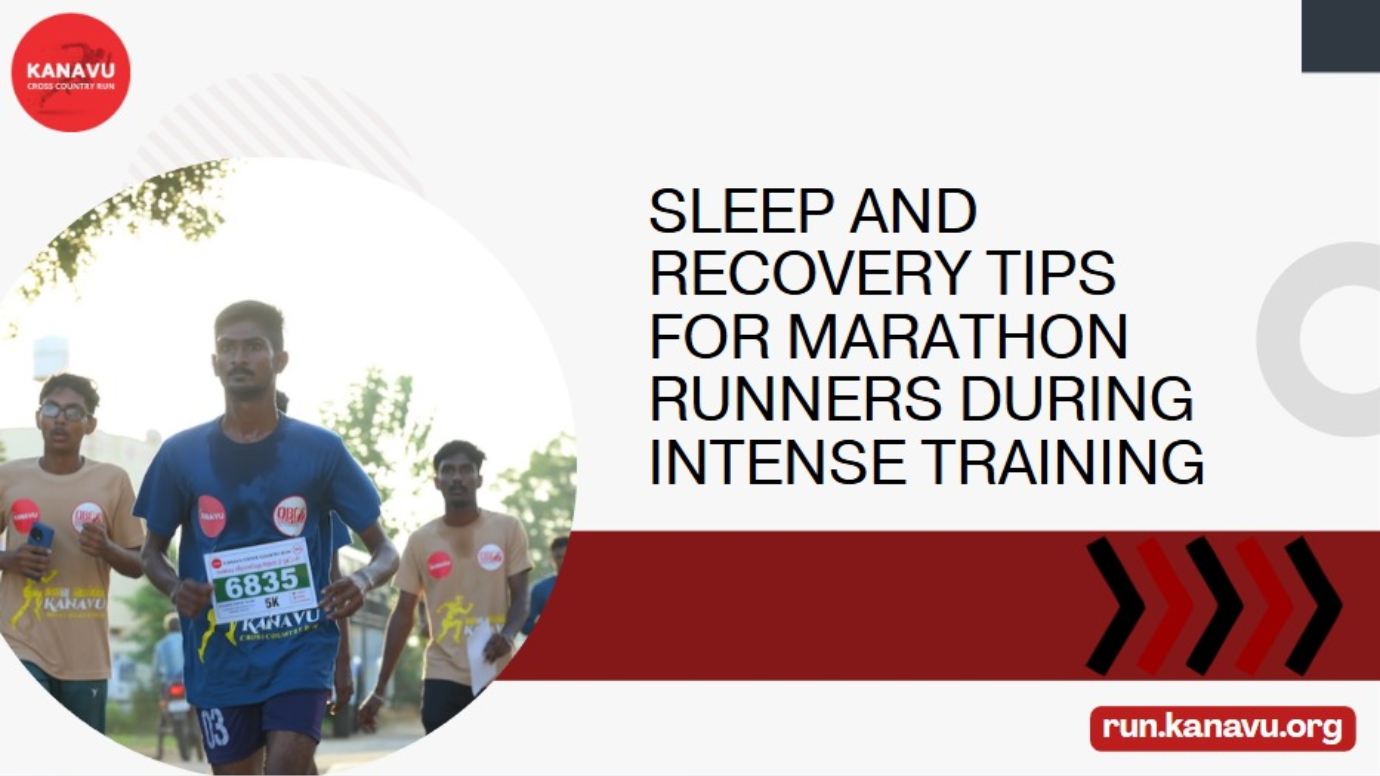
Sleep and Recovery Tips for Marathon Runners During Intense Training
Marathon training is hard on the body. Long runs, speed workouts, and daily practice can make runners feel tired. Proper rest is just as important as training. Following the right sleep and recovery tips helps runners stay strong and avoid injuries. Why Sleep Is Important for Marathon Runners Sleep helps the body repair muscles and regain energy. Without enough sleep, the body feels weak and slow. Good sleep helps runners: These benefits show why sleep and recovery tips should never be ignored. How Much Sleep Do Marathon Runners Need Most marathon runners need more sleep than usual during intense training. A good goal is: Following basic sleep and recovery tips like regular sleep time helps the body heal properly. Simple Habits for Better Sleep Small daily habits can improve sleep quality. Try these: These simple sleep and recovery tips make it easier to fall asleep and rest well. Read more in our previous blog about marathon diet plan what experienced runners mostly follow Easy Recovery Methods After Training Recovery does not mean doing nothing. It means helping the body relax. Helpful recovery ideas: These actions support sleep and recovery tips and reduce the risk of injury. Listen to Your Body Every runner is different. Feeling very tired, sore, or slow may be a sign to rest more. Do not ignore: Listening to the body is one of the most important sleep and recovery tips for marathon runners. By following simple sleep and recovery tips, marathon runners can stay healthy, train better, and feel ready on race day. For more such tips and guidance visit: https://run.kanavu.org/
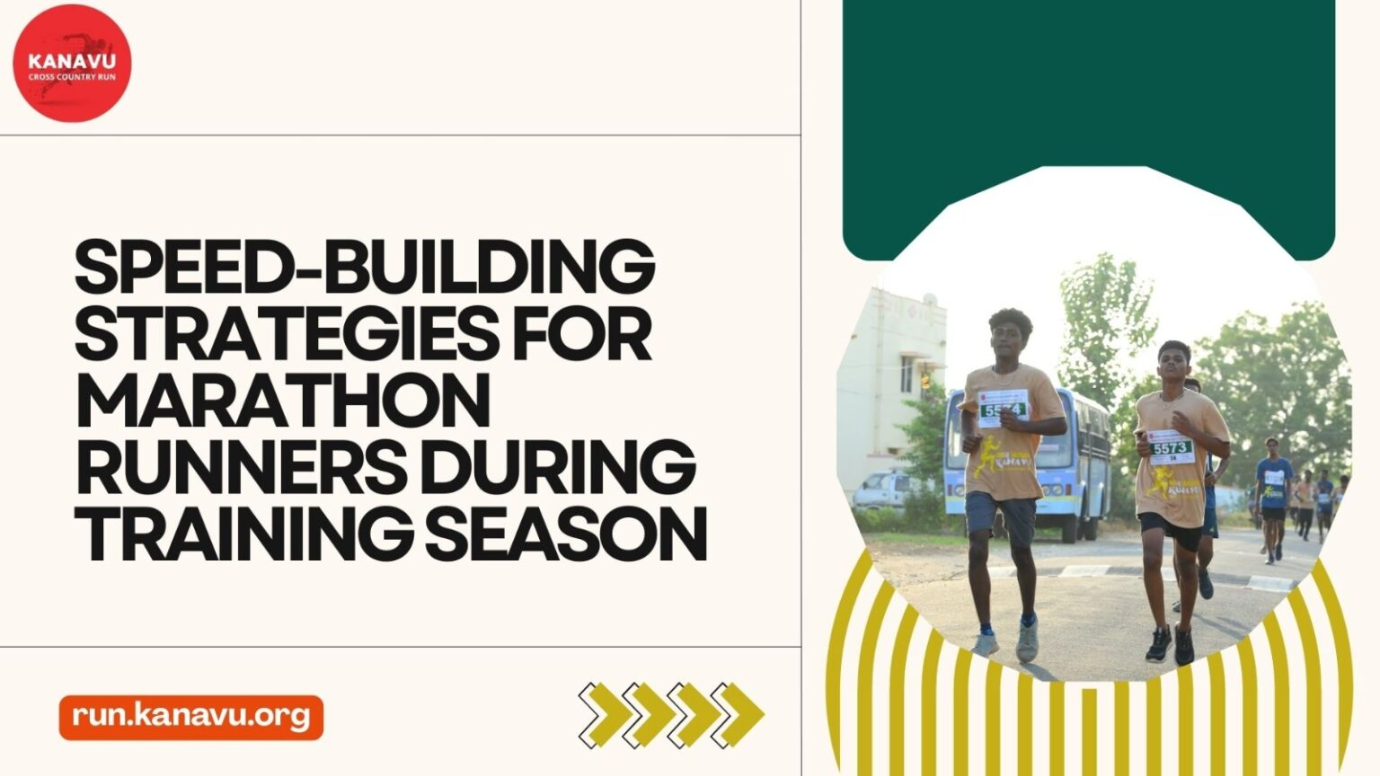
Speed-Building Strategies for Marathon Runners During Training Season
Improving speed is an important part of marathon training. While endurance helps runners finish the race, speed helps them finish stronger, maintain rhythm, and reduce overall timing. This blog explains useful Strategies for Marathon Runners that help build speed in a safe and effective way during the training season. Understanding the Role of Speed in Marathon Running Marathon runners often focus only on long-distance endurance. But adding speed practice improves stamina, builds muscle power, and helps runners maintain a comfortable pace for longer distances. That is why planning proper Strategies for Marathon Runners becomes essential for overall performance. Interval Training to Boost Pace Interval training involves running fast for a short time and then slowing down to recover. This method trains both the heart and muscles to handle higher speeds with control. Examples include: Interval sessions are one of the most effective Strategies for Marathon Runners because they build both speed and endurance together. There are many marathon training apps are available we can use use that to train ourself better for both long and short distance running. Improving Stride Efficiency Speed is not only about running faster; it is also about running smarter. Working on stride length, foot landing, and posture makes movement smoother and quicker. Runners can practise: These techniques support strong Strategies for Marathon Runners aiming to increase overall speed without extra effort. Strength Training for Faster Running Stronger legs and core muscles help runners push forward with more power. Simple workouts like squats, lunges, planks, and calf raises increase stability and improve running mechanics. Adding strength exercises weekly helps: This is why strength sessions are considered essential Strategies for Marathon Runners during training season. Hill Runs for Natural Speed Building Running uphill forces the body to use more muscle power and improves breathing control. Downhill running, on the other hand, trains faster leg turnover. Hill training helps runners: Hill sessions work as powerful Strategies for Marathon Runners, especially when preparing for long-distance events. Staying Consistent With Recovery and Rest Speed improves only when the body gets proper rest. Without recovery, muscles fatigue quickly and performance drops. Good recovery habits include: Balancing hard training with smart recovery completes the cycle of effective Strategies for Marathon Runners. Building speed during marathon training season requires a mix of technique, strength, proper planning, and recovery. By practising structured intervals, improving stride, adding strength exercises, and training on hills, runners can steadily increase their pace. These Strategies for Marathon Runners help develop both speed and endurance, leading to better performance on race day.