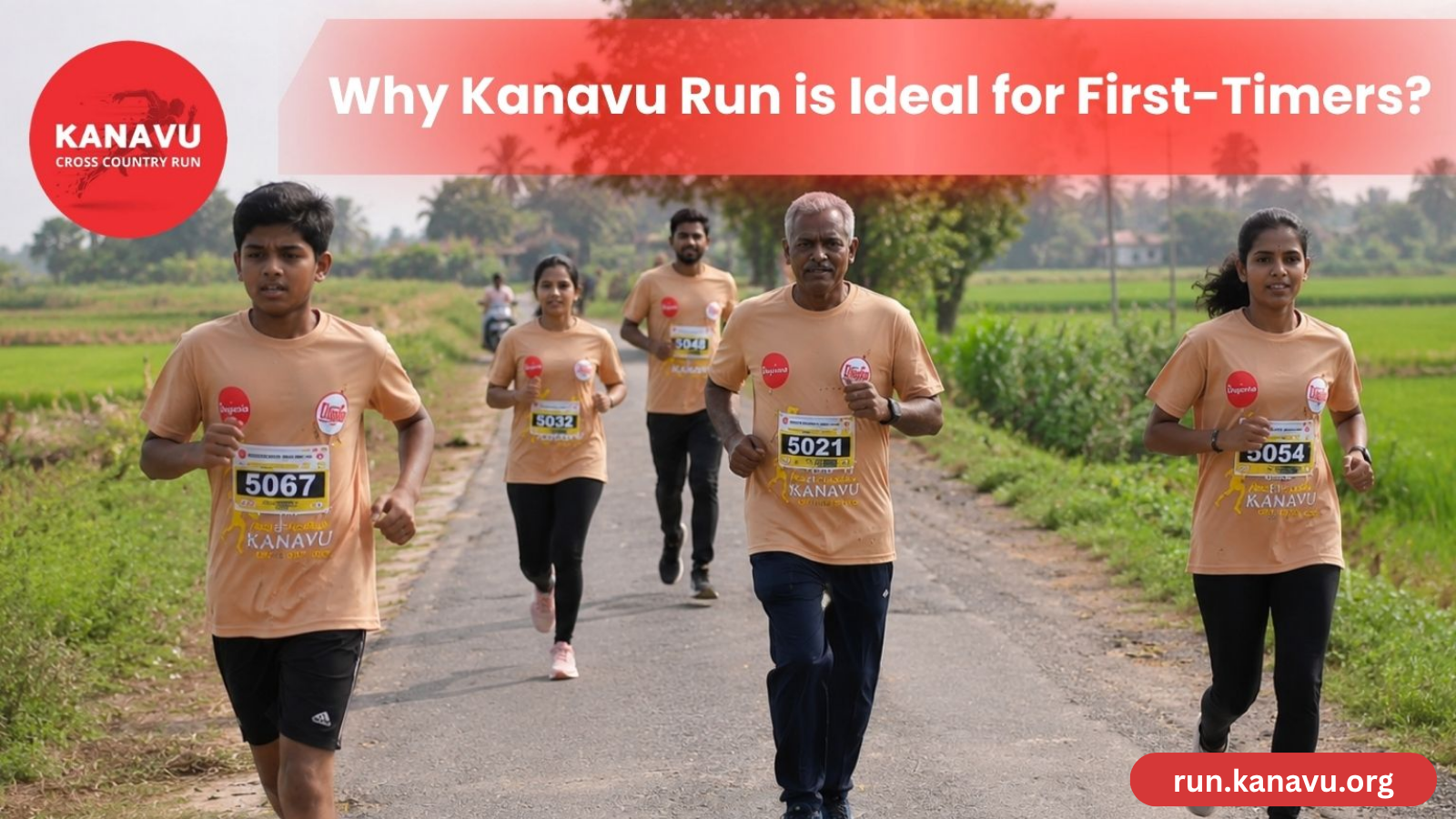
Outdoor running events are becoming popular across Tamil Nadu as more people choose healthy and active lifestyles. Among many running events, Kanavu Run feels special because of its friendly atmosphere and peaceful surroundings. It is not only for experienced runners but also for students, families, office workers, and beginners. People join the event for fitness, fun, and new experiences without feeling pressure or fear. The event focuses more on happiness, encouragement, and community support than competition. This makes participants feel relaxed and comfortable from the moment they arrive at the venue until they cross the finish line. Reliable Volunteer Support for Outdoor Running Events Kanavu Run is known for its caring volunteers who support runners throughout the event. They guide participants, help during emergencies, and encourage people during the run. Their support helps everyone feel safe and comfortable. Volunteer support includes: The volunteers make the event feel welcoming and organized for all participants. Many runners say the positive atmosphere and kind support make the experience more enjoyable and memorable. People never feel alone during the run because help is available everywhere across the route. Flexible Race Categories for Every Participant Kanavu Run offers different running categories so people can choose what feels comfortable for them. Participants do not need professional training to join the event. Everyone can select a distance based on their fitness level and confidence. Race categories include: Outdoor Running Events like Kanavu Run are especially helpful for first time runners who may feel nervous about joining a public event. The clear route markings and organized support help participants enjoy the experience without confusion or stress during the run. For better Understanding read our detailed guide on Categories of Marathon in the Kanavu Run. What Makes Kanavu Run Beginner Friendly? Many people avoid joining runs because they think running events are only for athletes. Kanavu Run creates a different feeling by welcoming everyone equally and encouraging people to simply enjoy the experience. Reasons people enjoy Kanavu Run: These events become more enjoyable when participants feel relaxed and supported instead of pressured. Kanavu Run helps beginners feel confident and motivated to continue their fitness journey even after the event ends. An Annual Event That Brings People Together Kanavu Run is more than a fitness event because it brings people together through energy, excitement, and community spirit. The peaceful village surroundings and happy crowd make participants want to return every year. Event highlights include: Outdoor running events like Kanavu Run help people stay active while also creating meaningful memories with friends, families, and communities. The event welcomes beginners, supports every participant, and turns running into a fun and positive experience for everyone. Visit Kanavu Run today and register for your next running experience in Tamil Nadu.
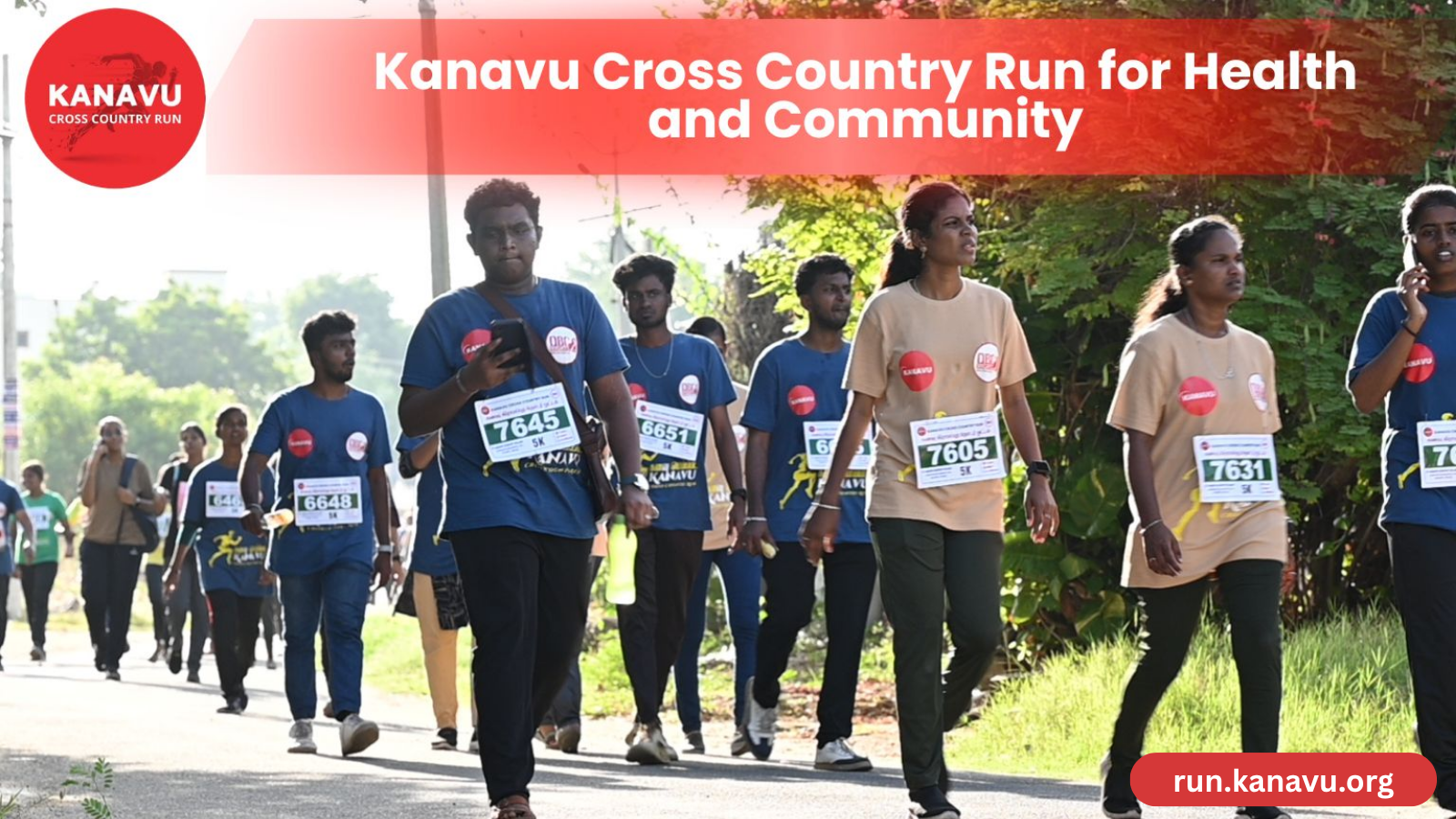
Community Fitness Events in India: Why Kanavu Cross Country Run Matters for Health and Social Impact
Why do hundreds of people wake up early on a Sunday to run through village roads? Community fitness events in India are proving that health is not a solo journey. The Kanavu Cross Country Run is one such event changing lives – one stride at a time. This blog explains why it matters and what makes the run so powerful. Community Fitness Events in India and Their Real Impact These are organized runs, walks, or fitness challenges where locals come together to move and connect. In India, such events have grown rapidly – from big city marathons to small-town gatherings.They are affordable, inclusive, and deeply rooted in community culture. That’s what makes them different from gym culture or solo fitness routines. The Gap No One Talks About Most fitness events happen in cities. Rural India – home to 65% of the population – rarely gets access to organized health activities.The result? Rising lifestyle diseases, inactive youth, and weakening community bonds. A village run directly addresses all three problems. Why the Kanavu Cross Country Run Stands Out? The Kanavu Cross Country Run brings organized running to rural and semi-urban communities. Here’s what makes it special: This is exactly what community fitness events in India should look like – inclusive, local, and impactful. The Power Behind the Movement Real Benefits at a Glance FAQs 1. What is a community fitness event in India?An organized activity – like a run or walk – where locals participate together to promote health and social connection. 2. What is the Kanavu Cross Country Run?A grassroots running event designed for rural and semi-urban communities, open to all age groups and fitness levels. 3. Why does a village run matter for public health?It brings structured physical activity to areas with limited fitness access, building long-term healthy habits. 4. Can beginners join such events?Absolutely. These events welcome everyone – no training or experience needed. Community fitness events in India do more than improve fitness – they bring people together. The Kanavu Cross Country Run shows that a simple village run can spark real health change and build stronger communities. If such an event comes to your area – show up, lace up, and run.Because fitness is always better together. Related Reading: Find 7 Fitness Events ideas For Summer.
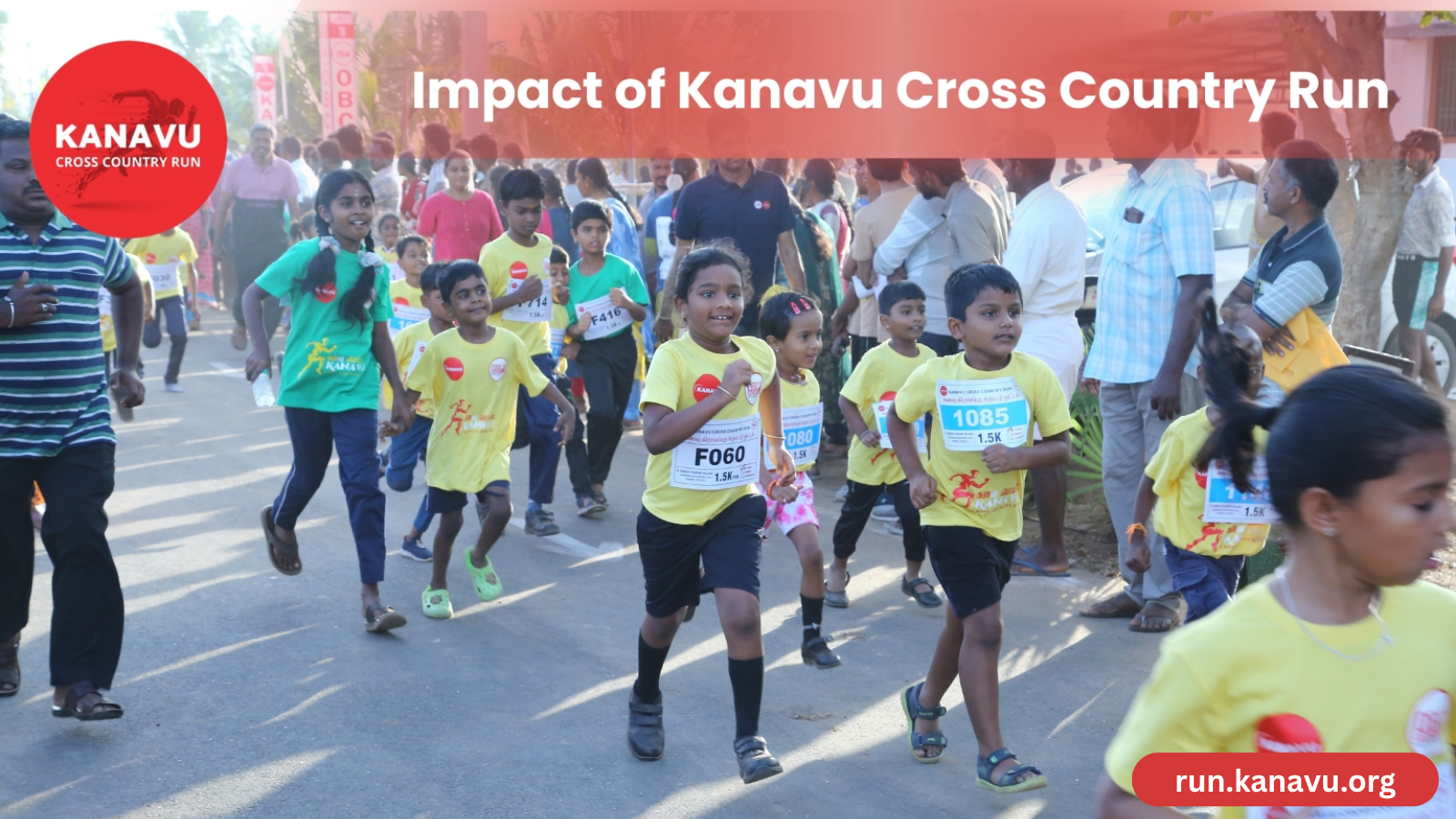
Impact of Kanavu Cross Country Run on Rural Athletes and Communities
Rural India has always been full of raw talent, but lack of exposure often holds athletes back. The Impact of Kanavu Cross Country Run is changing this reality by creating a strong platform for young runners from villages. This initiative is not just a race; it is a movement that connects passion, opportunity, and community growth in a simple but powerful way. A New Beginning for Rural Talent The Impact of Kanavu Cross Country Run can be clearly seen in how it identifies and encourages hidden talent. Many participants come from farming families and government schools, where sports facilities are limited. This directly supports rural sports development in India by creating equal opportunities. Boosting Health and Discipline One of the strongest outcomes of this event is improved rural youth fitness. Regular training and participation help young people build discipline and healthy habits. Instead of spending time on distractions, many students now focus on running, improving stamina and mental strength. Fitness becomes a daily routine rather than an occasional activity. Strengthening Local Communities The event brings entire villages together. Parents, teachers, and local volunteers actively support the runners. This creates a sense of pride and unity. This community involvement is a key part of the Impact of Kanavu Cross Country Run, making it more than just a sports event. Creating Future Opportunities The exposure from such runs opens doors for athletes. Some participants go on to compete at district and state levels. Others gain scholarships or recognition. In the middle of this transformation, the Impact of Kanavu Cross Country Run acts as a stepping stone for long-term success. It shows that rural athletes can dream bigger and aim higher. Supporting Grassroots Sports Growth Grassroots initiatives like this are essential for rural sports development in India. Without such platforms, talent often remains unnoticed. By focusing on accessibility and inclusivity, this run ensures that every interested athlete gets a fair chance. It also highlights the importance of investing in rural sports infrastructure. A Movement That Inspires Change The real strength of this initiative lies in its simplicity and purpose. It does not rely on expensive setups but focuses on consistency and community support. The Impact of Kanavu Cross Country Run continues to inspire young athletes to stay active, stay focused, and believe in their potential. Take the First Step Today If you believe in building stronger communities and empowering young athletes, this is your chance to be part of something meaningful. Support, participate, or spread awareness about the Kanavu Cross Country Run. To know more or register for upcoming events, visit run.kanavu.org.Be a part of the journey that is shaping the future of rural sports, one run at a time.
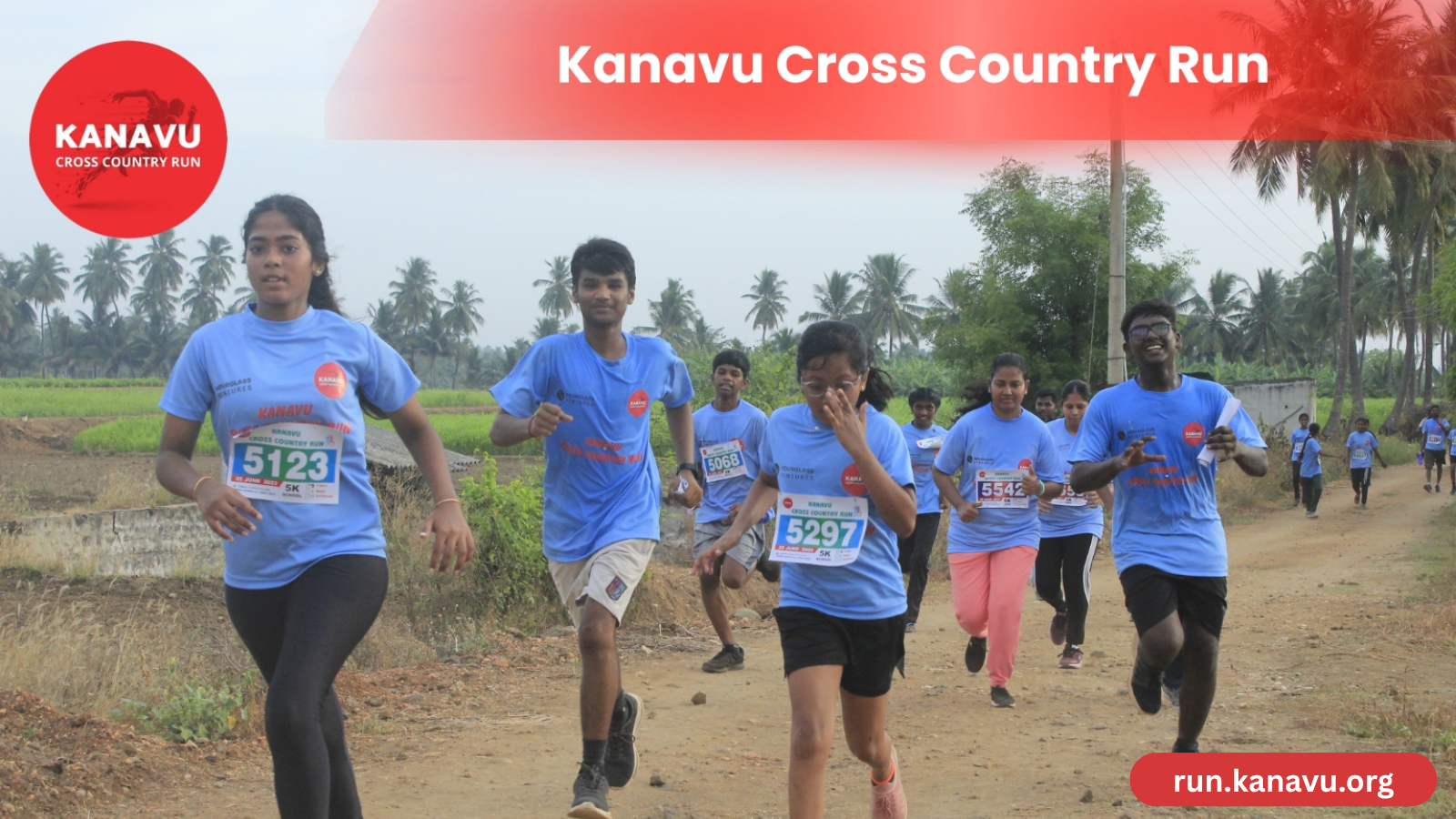
From Village Fields to Marathon Tracks: How Kanavu Cross Country Run Transforms Rural Youth
Before sunrise, village lanes that are usually quiet slowly fill with soft footsteps, nervous smiles, and pinned race bibs. Teens who once ran barefoot to school now line up under an arch, listening to the countdown that will send them across fields, mud paths, and village roads. This is not a city marathon; this is a dream built inside a Kanavu startup village, turning local youth into proud finishers in front of their own people. What is Kanavu Cross Country Run (Kanavu Meipada)? The Kanavu Cross Country Run, Kanavu Meipada, is an annual village running event where children, students, parents, and serious runners share the same trail through real rural landscapes.It is designed to answer one simple question: “What happens when every village child gets a real race to run?” How does Kanavu Run actually help rural youth? The event gives clear, practical benefits that youth and parents can easily see: Instead of just telling youth to “be active”, the event gives them a visible goal, a bib number, and a moment on the track where the whole village watches them succeed. What are the real cross country running benefits here? The cross country running benefits at KCCR go beyond theory; they are felt on every stretch of the route: On the inside, youth experience quieter cross country running benefits: better sleep, lower stress, sharper concentration, and the courage to keep going even when the body feels tired. What makes this village event different from a normal city race? Because of this, every medal feels personal, and every finisher photo feels like a family victory, not just an individual one. How can you be part of this change? If you are wondering how to support rural youth in a direct, practical way, starting with one race is a clear answer. The Kanavu Cross Country Run gives you a ready platform where your run, your time, or your support can turn into real confidence for a village child. You can register as a runner, volunteer on the route, or help another child get to the start line with proper shoes and support. Visit run.kanavu.org to see dates, categories, and simple steps to join, and help more rural dreams turn into strong strides on the track through this unique village run.
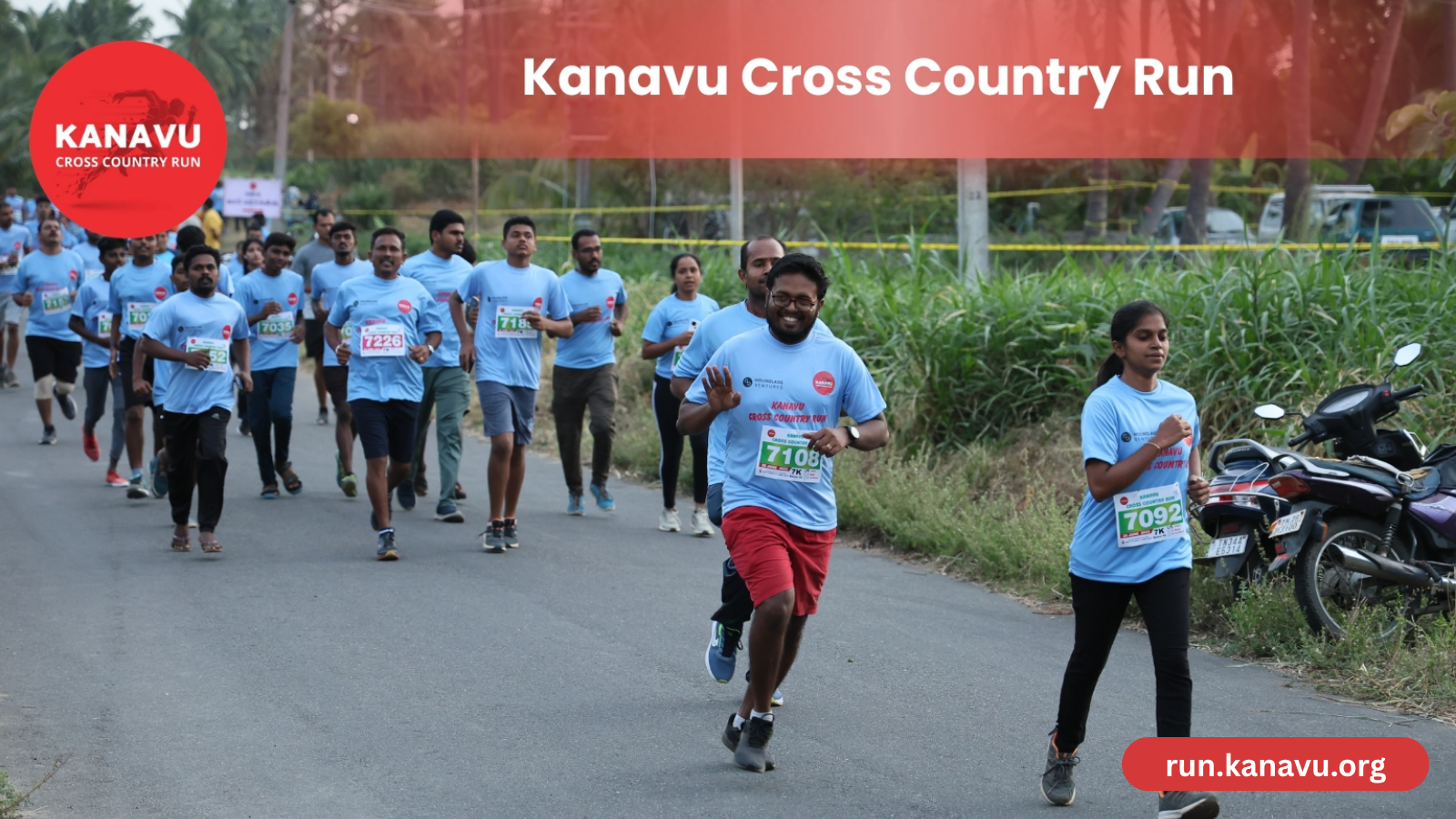
How Kanavu Cross Country Run Connects Health, Education and Community Development in Rural India
Young people in villages often lack safe, inspiring spaces to focus on health, learning, and personal growth. The Kanavu Cross Country Run turns a single running event into a powerful platform that links fitness, learning, and local progress for rural families. Health, Hope and the Kanavu Cross Country Run In the quiet rural surroundings of Annamalaikottai, this run brings children, youth, parents, and elders together on the same trail.Instead of focusing only on timing and medals, the event highlights simple, steady habits that improve rural health and education over time, such as daily walking, regular exercise, and better awareness about food and sleep. How Running Supports Rural Health and Education This way, a fun run slowly turns into a living classroom where youth learn how caring for the body also supports focus, memory, and better performance in school. Community Development Through Sports in Everyday Life The event clearly shows the power of community development through sports.Local farmers, shopkeepers, self-help groups, and schools join hands to organize water points, first-aid stalls, cheering zones, and cultural activities around the course. Where Health, Learning and Community Meet What makes this model special is how the Kanavu Cross Country Run blends fitness with purpose. Awareness on environment, clean surroundings, and social responsibility is shared along with health tips, so people see that strong bodies, curious minds, and caring communities grow together. Over the years, such events can inspire better attendance in schools, more active lifestyles, and deeper community development through sports at the village level. Take Your Next Step With Kanavu Run If you live in or around rural Tamil Nadu, you can be part of this journey as a runner, volunteer, teacher, or supporter. The Kanavu Cross Country Run is your chance to stand for rural health and education while enjoying the joy of running with your own community. Visit run.kanavu.org to know the route, categories, and upcoming dates, and to see how a simple run is changing rural lives.
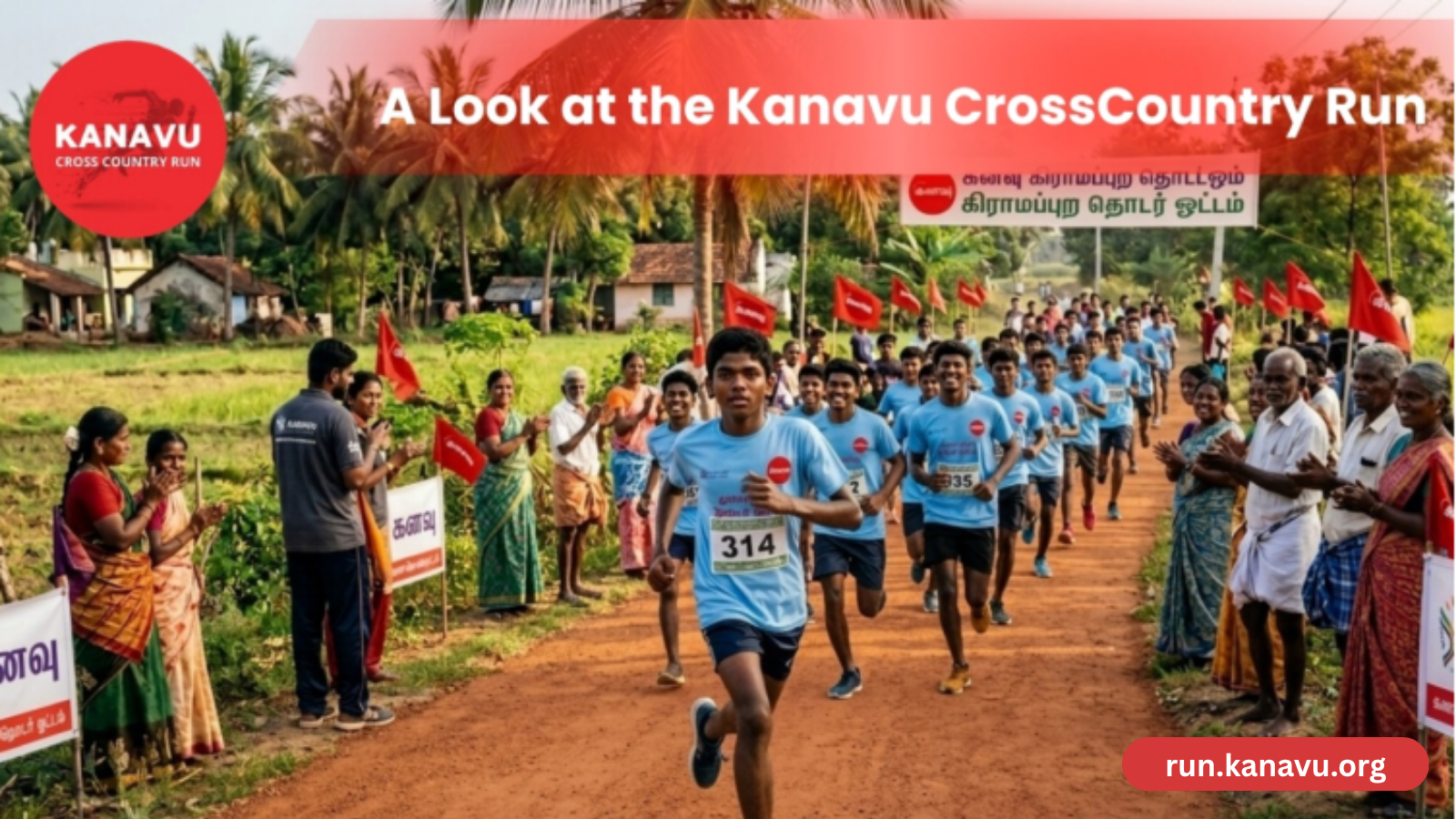
How Kanavu Cross Country Run Is Inspiring Rural Youth to Embrace Fitness and Sports in India
In many villages, talent, energy, and dreams are high, but organised sports spaces are few, which is why the Kanavu Cross Country Run has become such a powerful symbol in recent years. Set in the calm village surroundings of Annamalaikottai, this yearly event turns simple mud paths and fields into a live classroom for health, courage, and community spirit. For anyone interested in rural youth fitness in India, the run shows what happens when a village, volunteers, and young runners come together around a clear purpose and a shared sense of pride. By offering distances from 1.5 km to 15 km and welcoming first timers as well as trained athletes, the Kanavu team proves that fitness can be inclusive, low-cost, and deeply inspiring at the same time. Young people who once ran only on fields or village roads now experience proper race bibs, marked routes, and cheering crowds, all within their own locality. In a quiet but steady way, the event supports the kind of grassroots sports development India needs most: local runs that are easy to access, rooted in culture, and focused on long-term change rather than just one exciting race day. This article looks at how Kanavu is sparking that shift, and how a single village run can open a wider path toward fitness and sport for rural youth across the country How Kanavu Cross Country Run Is Building Grassroots Sports Culture in Rural Tamil Nadu At its heart, the Kanavu Cross Country Run is a village-level project that looks small on paper but carries big impact on the ground. It takes place on nature-rich village trails, far from city stadiums, and shows that grassroots sports development India dreams about can start with basic roads, open fields, and committed organisers. Key ways it builds culture at the grassroots: For rural youth fitness in India, the visibility of a big yet village-centred event matters. Young people see runners from their own streets wear bibs, stand on podiums, and get recognised by sponsors and local leaders. This breaks the idea that “sports are only for city kids” and makes running a normal part of village life. Over time, that mindset shift is the real foundation of grassroots sports development India needs: This section sets up your branch blog, “How Kanavu Cross Country Run Is Building Grassroots Sports Culture in Rural Tamil Nadu,” where you can later go deeper into programmes, volunteers, and school partnerships. From Village Fields to Marathon Tracks: How Kanavu Cross Country Run Transforms Rural Youth For many participants, the Kanavu Cross Country Run is their first time seeing a properly organised race with bibs, timing, warm-up, and cheering crowds. Most of them have run in fields or on village roads before, but they have never seen running treated as a structured sport. This is where rural youth fitness in India moves from casual play to serious, proud effort. The transformation happens through clear stages: This journey supports grassroots sports development India cannot build only through top down schemes. Real change starts when a teenager from a small village believes: “If I can run 5 km today, maybe I can aim for 10 km or even a city marathon tomorrow.” Your future branch blog, “From Village Fields to Marathon Tracks,” can focus on these personal stories, interviews, and role models that show how a single race can change a young person’s view of fitness and future. Why Kanavu Cross Country Run Is the Best Rural Fitness Event for Indian Youth Among many races happening in cities, the Kanavu Cross Country Run stands out because it is designed for villagers first, and visitors second. This makes it one of the most relevant events for rural youth fitness in India, where travel costs, lack of gear, and fear of city crowds often stop talented youth from joining big marathons. Reasons it works so well as a rural fitness event: From an analytical view, this is grassroots sports development India done right: Common mistakes some rural events make (and that organisers can avoid): Kanavu Cross Country Run: A Case Study in Rural Youth Sports Participation Because the Kanavu Cross Country Run repeats every year and draws large numbers of village participants, it works as a living case study in rural youth fitness in India. Organisers, sponsors, and educators can observe how attitudes, numbers, and performance change over time when a consistent event is present. A case study view can look at: Modern tools make this easier: This section flows naturally into your future branch blog, “Kanavu Cross Country Run: A Case Study in Rural Youth Sports Participation,” where you can later add charts, interviews, and more detailed analysis. Empowering Rural Athletes: The Impact of KCCR on Local Communities Finally, the Kanavu Cross Country Run is not only about individuals; it is about whole communities seeing sports as a path to dignity, unity, and better health. For rural youth fitness in India, events like this show that you do not need a big stadium to build champions of courage and discipline. Impacts on rural athletes and communities include: From a broader grassroots sports development India view, this creates a loop: Your branch blog, “Empowering Rural Athletes: The Impact of Kanavu Cross Country Run on Local Communities,” can later dive into sponsor roles, partner NGOs, and families’ stories of change. Shaping the Future of Rural Youth Fitness Through KCCR Looking across all these layers, the Kanavu Cross Country Run proves that a single, well-planned village event can spark lasting improvements in rural youth fitness in India. It builds a culture of movement in Tamil Nadu’s villages, turns open fields into training grounds, and gives rural children and teens a reason to believe that their dreams belong on the same track as anyone else’s. By acting as a live example of grassroots sports development India can replicate, Kanavu shows policymakers, schools, and sponsors that local, inclusive events are not a luxury they are a base requirement. For writers and planners, this root blog lets you slowly branch into focused topics: building sports culture, tracking youth journeys from fields to marathon tracks, analysing why Kanavu’s format works so well, and documenting its impact on rural athletes and communities. If you want to see
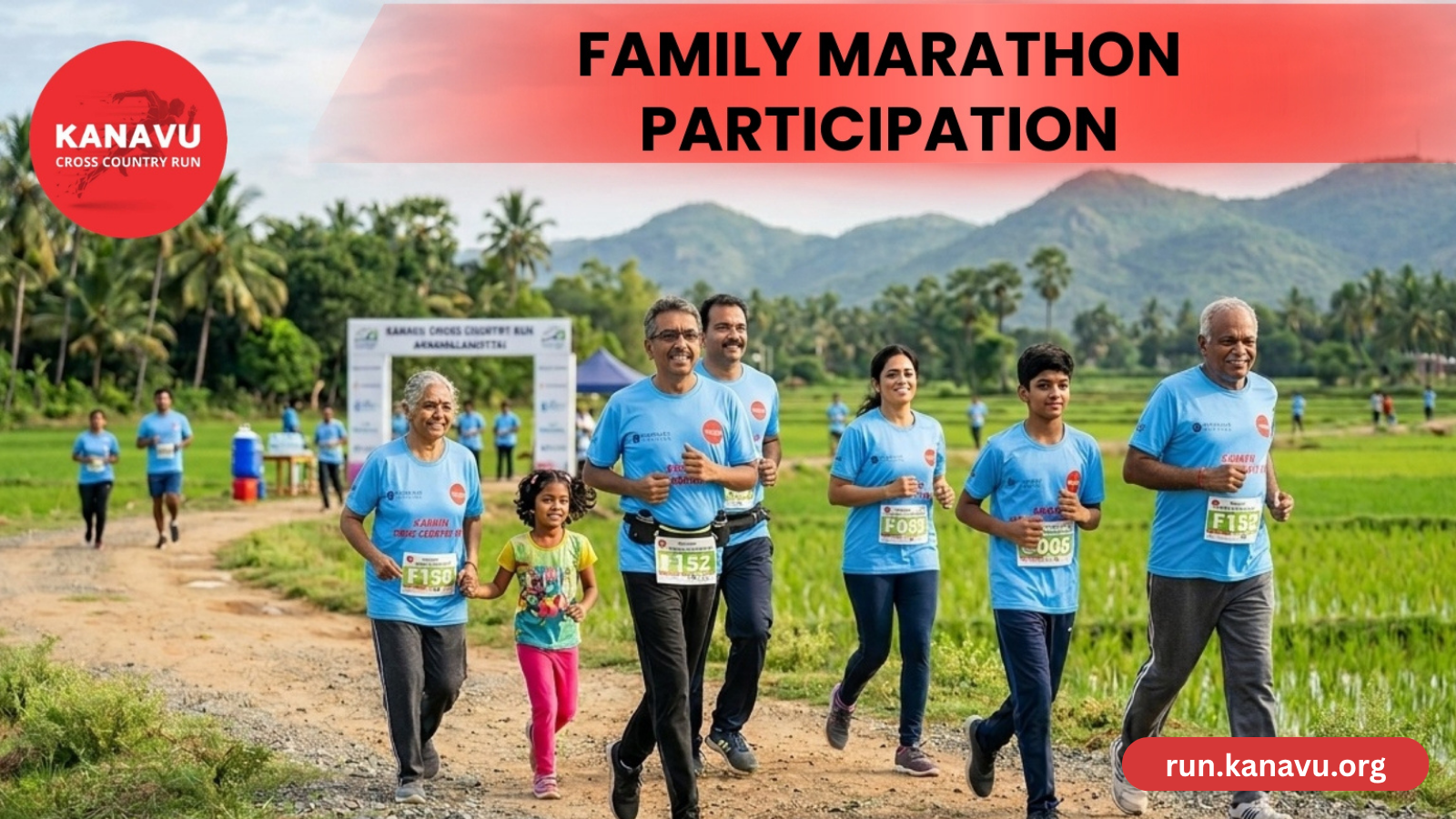
Family Marathon Participation: How Kanavu Cross Country Run Brings Kids, Teens, Adults, and Seniors Together
Family marathon participation is more than crossing a finish line together; it is about creating memories, building habits, and growing closer as a family. The Kanavu Cross Country Run offers a perfect space where kids, teens, adults, and seniors can share the same track while choosing distances that suit their strength and comfort. With simple routes and a friendly village atmosphere, every member of the family can feel welcome and safe. This blend of health, bonding, and nature makes Kanavu Cross Country Run a special event for all ages. Kanavu Run: A True Family-Friendly Event The Kanavu Cross Country Run is held in the calm village of Annamalaikottai, surrounded by clean air and greenery, making it ideal for families. The event offers inclusive race categories from 1.5 km to 15 km, so no one feels left out, whether they are first-time runners or regular athletes. Families can choose different distances and still start and celebrate together at the same venue. Building Bonds Through Family Marathon Participation Running together gives families a simple way to spend quality time without screens or distractions. Parents can set an example, show discipline, and encourage kids and teens to stay active in a natural, caring way. Seniors in the family can walk or jog at their own pace and still feel included, thanks to the inclusive race categories designed with different abilities in mind. This shared effort turns training days and race day into a series of small, happy family rituals. How Kanavu Cross Country Run Engages Each Age Group By starting in the same event, every member plays a role in keeping the family active and connected. Health, Habit, and Happiness in the Middle of the Journey In the middle of training and race season, family marathon participation quietly shapes daily routines. Simple steps like evening walks, weekend practice runs, and stretching sessions turn into shared habits that support long-term health. Over time, families notice better energy, improved mood, and a stronger sense of support from one another. The Kanavu Cross Country Run setting, with its village trails and community feel, makes it easy to stay motivated together. Join Kanavu Cross Country Run as a Family Make your next goal a family goal by choosing family marathon participation at the Kanavu Cross Country Run. Bring your kids, teens, parents, and grandparents, and experience how one event can refresh health, deepen bonds, and create stories you will cherish for years. To know more about race options, dates, and inclusive race categories, visit run.kanavu.org and explore how each distance can fit your family’s fitness level and comfort. Start your journey today at run.kanavu.org and take the first step towards a healthier, happier family run together
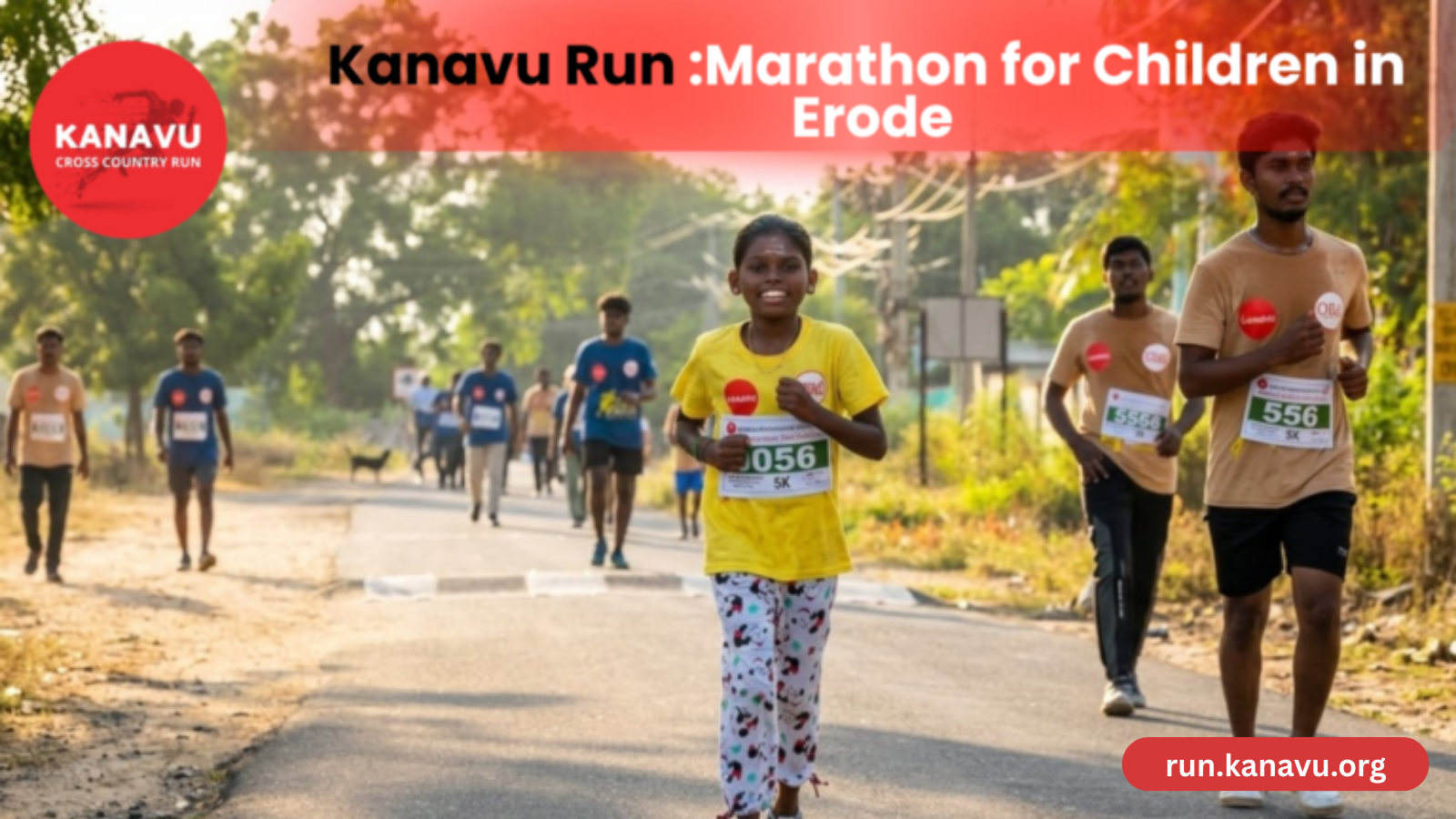
Kanavu Run for Children: The Perfect Marathon Category for Young Runners – Marathon for Children in Erode
Children thrive when they move, play, and challenge themselves. That is exactly why the Marathon for Children in Erode is gaining attention among parents and schools. Kanavu Run for Children creates a safe and exciting space where young runners build confidence through fun competition. Moreover, the event focuses on participation rather than pressure. As a result, children enjoy every step while learning valuable life skills. Why Marathon for Children in Erode builds strong young runners Physical activity shapes both the body and the mind. Therefore, this event encourages children to stay active in a structured and joyful way. Unlike regular races, the Marathon for Children in Erode designs categories based on age and stamina. Consequently, every child feels included and motivated. Encouraging healthy habits early Healthy habits begin at a young age. When children train for a run, they learn discipline and time management. In addition, they understand the value of consistency. Parents also notice improvements in focus and energy levels. Key benefits include: A safe and fun competitive platform Safety remains a top priority at Kanavu Run for Children. Organizers ensure proper hydration points and medical support. Furthermore, volunteers guide children at every stage of the race. This careful planning makes the Marathon for Children in Erode both secure and enjoyable. At the same time, children experience the thrill of crossing the finish line. That feeling stays with them for years. More importantly, they learn that effort matters more than winning. Building confidence beyond the finish line Every child deserves a moment to shine. Through the Marathon for Children in Erode, young runners discover their strengths. They also overcome small fears, such as stage hesitation or performance anxiety. Consequently, they grow braver in academics and extracurricular activities. Parents often share positive feedback after the event. They see improved communication skills and stronger social bonding. Additionally, children form new friendships with peers who share similar interests. In conclusion, Kanavu Run for Children offers more than a race. It builds character, health, and lifelong memories. If you want your child to develop resilience while having fun, this event provides the perfect opportunity. Encourage them to lace up their shoes and take the first step toward a brighter, healthier future.
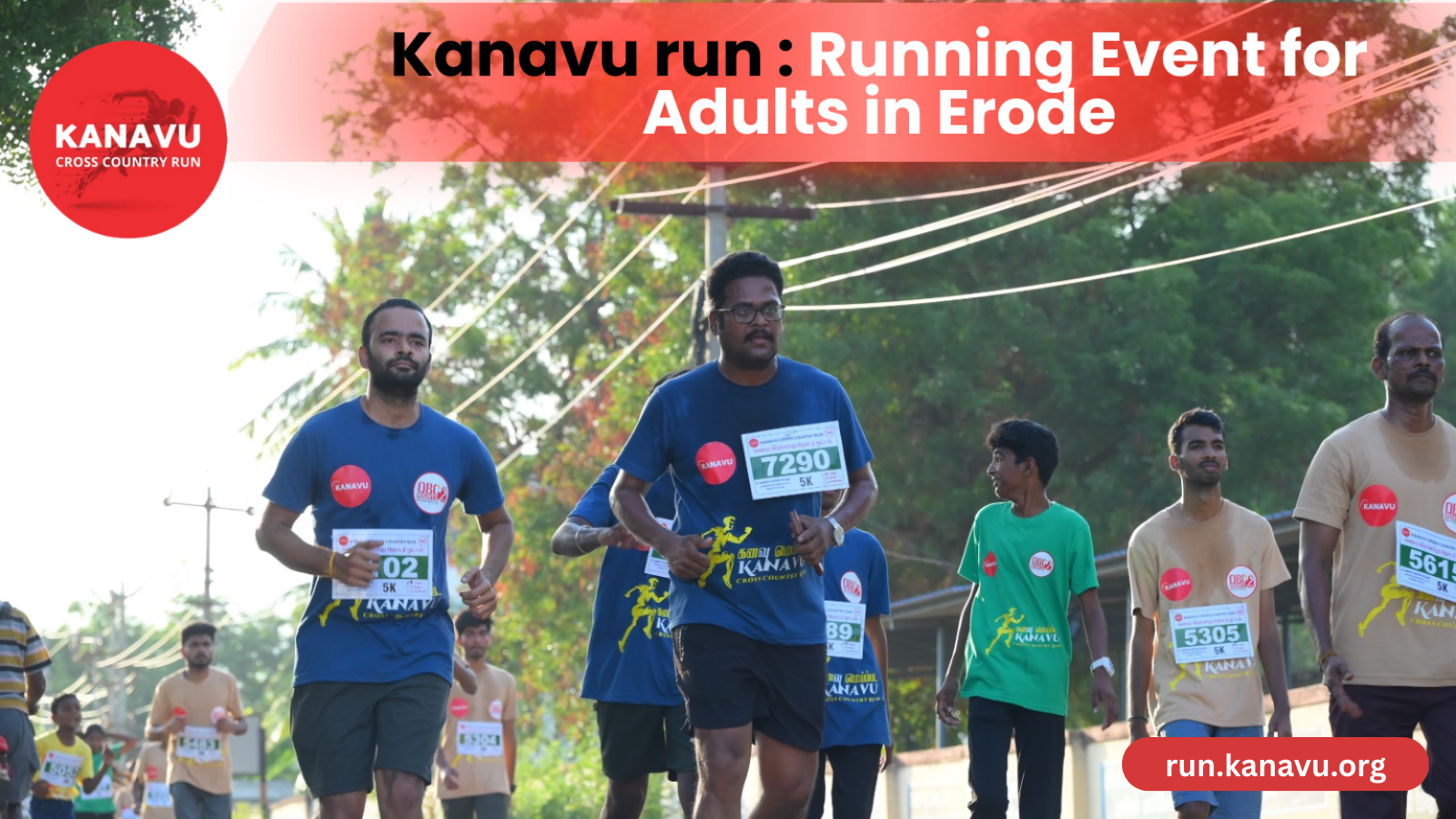
Kanavu run for adults Running Event for Adults in Erode
Staying active becomes even more important during mid-life. That is why the Running Event for Adults in Erode at Kanavu Run attracts working professionals, parents, and fitness enthusiasts. This event gives adults a structured platform to challenge themselves while enjoying a supportive environment. Moreover, it promotes consistency, discipline, and community bonding. Unlike intense competitive races, Kanavu Run focuses on participation and personal milestones. Why Running Event for Adults in Erode motivates mid-age fitness Balancing work and family often leaves little time for health. However, joining the Running Event for Adults in Erode helps participants reset their routine. The event offers well-planned marathon categories based on stamina levels. As a result, beginners and experienced runners feel equally comfortable. In addition, proper hydration points and medical support ensure safety. Organizers carefully design routes that are both challenging and achievable. Therefore, adults can push their limits without feeling overwhelmed. Health and lifestyle benefits Participating in regular running events delivers long-term advantages. For instance, consistent training improves heart health and boosts stamina. Furthermore, it reduces stress levels and enhances mental clarity. Here are some key benefits: Building community through fitness One of the strongest aspects of this Active lifestyle marathon in Erode is community connection. Participants meet like-minded individuals who share similar goals. Consequently, friendships form naturally through training sessions and race day interactions. The Running Event for Adults in Erode also encourages corporate teams to participate together. This creates unity and improves team morale. At the same time, families cheer from the sidelines, adding excitement and emotional support. A step toward personal achievement Every finish line tells a story. For many, completing the Running Event for Adults in Erode becomes a proud milestone. Some aim to improve timing, while others simply want to complete the run. Regardless of the goal, each participant leaves with renewed confidence. Additionally, the event promotes the idea of a Community fitness event in Erode, inspiring long-term commitment to wellness. Adults realize that age never limits ambition. Instead, the right platform unlocks potential. In conclusion, Kanavu Run offers more than a marathon category. It creates motivation, discipline, and lasting memories. If you want to prioritize your health while staying connected with your community, this event provides the perfect opportunity. Lace up your shoes and take the first step toward a stronger, healthier future.
Understanding the Categories of Marathon in the Kanavu Run: A Race for All Ages
Marathons have become an exhilarating global phenomenon, attracting participants from all walks of life. Whether you’re a seasoned runner, a first-timer, or someone simply looking to challenge yourself, marathons offer a unique and rewarding experience. The Kanavu Run stands out as a perfect example of an inclusive marathon event that caters to people of all ages, backgrounds, and fitness levels. It serves as a platform where young children, eager teens, active adults, and even seniors can come together to partake in a race that promotes health, well-being, and community spirit. One of the most remarkable aspects of the Kanavu Run is its ability to break barriers and encourage physical activity for everyone. The diverse range of categories of marathon ensures that people at various stages of life can find a race that fits their needs and aspirations. From the energetic and competitive kids’ races to the more challenging runs designed for adults, and even marathons specifically designed for seniors, the event truly embodies the concept of inclusivity. This article delves into the different categories of marathon offered by the Kanavu Run, providing a deeper understanding of how the event offers something for everyone. We’ll explore the unique opportunities for young runners, teens eager to push their limits, active adults striving for fitness, and seniors looking to stay engaged in a healthy lifestyle. Whether you’re a first-time participant or a seasoned athlete, the Kanavu Run presents an opportunity to be part of something special, regardless of your age or fitness level. Join us as we walk through the marathon categories and discover how each segment of the Kanavu Run helps make running accessible and enjoyable for all. Kanavu Run for Children: The Perfect Marathon Category for Young Runners The Categories of Marathon at the Kanavu Run offer children an exciting and supportive introduction to running. This child-friendly marathon category promotes physical fitness, healthy competition, and teamwork. With shorter distances, it ensures accessibility for young runners while encouraging discipline, perseverance, and personal growth. The race provides a fun and engaging atmosphere, helping kids develop important life skills. Participating in the marathon helps children stay active, healthy, and confident. Overall, the Categories of Marathon at Kanavu Run are the perfect way for children to enjoy the thrill of competition in a safe and exciting environment. The Perfect Marathon Category for Young Runners The Kanavu Run marathon category for children is designed to be fun, engaging, and accessible. With shorter race distances and challenges tailored to young runners, it provides an excellent platform for kids to enjoy running without feeling overwhelmed. This approach ensures that children can build confidence and foster a love for fitness in a relaxed, non-competitive environment. It serves as a fantastic introduction to marathons and running sports while promoting physical activity in a safe and supportive setting. • Engaging and Accessible: Shorter race distances and fun challenges ensure that kids enjoy running without pressure. • Promoting Healthy Habits: Encourages children to stay active and develop a love for fitness, setting the foundation for lifelong health. Promoting Healthy Lifestyle Habits Early On Participating in the Kanavu Run helps instill a love for physical activity in children from a young age. It encourages them to stay active and adopt healthy lifestyle habits that can last a lifetime. The event not only promotes physical fitness but also teaches the value of consistency and discipline. By engaging in the race, children develop essential skills that contribute to their overall well-being. Building Confidence Through Healthy Competition The Kanavu Run not only promotes physical fitness but also fosters teamwork and friendly competition, which are essential for children’s development. By participating in the race, children learn to work together, supporting one another throughout the event. Completing the marathon, no matter the distance, boosts their confidence and teaches them the value of perseverance. These experiences help children grow mentally and socially, preparing them for challenges in life. The event instills important life skills that last beyond the race. The Fun of Running with Peers The Kanavu Run allows kids to share the experience with their peers, turning the marathon into a fun and social event. As they participate, they make new friends, strengthen existing bonds, and create lasting memories. This social experience helps children develop important social skills like teamwork, communication, and empathy. It also fosters a sense of community and inclusivity, making the event enjoyable and meaningful for all participants. A Marathon Category Tailored for Youth Participation The Categories of Marathon for teens in the Kanavu Run are designed to match their growing physical abilities and energy. This category offers longer race distances that promote endurance, resilience, and healthy competition. Teens can push their limits, testing both their mental and physical strength. It provides a perfect challenge for those eager to stay fit while striving for personal growth. The Kanavu Run encourages teens to develop perseverance and a competitive spirit, helping them build confidence and achieve their fitness goals. Meeting the Fitness Needs of Teens Teenagers are in the prime of their physical development, and the Kanavu Run’s teen category challenges their stamina with marathon distances suited to their abilities. The race helps teens push their limits, enhancing fitness, endurance, and mental strength. It provides an excellent opportunity to develop resilience and stay active. The Kanavu Run promotes healthy competition, encouraging growth during these crucial developmental years. The marathon encourages teens to improve physical stamina and mental strength through focused challenges. The event promotes friendly competition, helping teens grow both individually and as part of a team. Encouraging Goal-Setting and Achievement Setting and achieving goals in a marathon helps teens build mental toughness and perseverance. The Kanavu Run challenges them to push beyond their limits while tracking their progress. This process builds confidence and teaches valuable life skills. As they reach each milestone, teens learn the importance of dedication and self-discipline. Teens develop resilience and determination by setting and achieving race goals. The Kanavu Run allows teens to monitor their progress, boosting their sense of accomplishment. Creating Opportunities for Team Building Teens can participate in the