


In the heart of Maharashtra lies the quaint city of Satara, known for its scenic beauty and historical significance. But every year, this serene town transforms into a bustling hub of energy and enthusiasm as it hosts one of the most challenging and exhilarating races in India—the Satara Hill Half Marathon. This event is not just another race; it’s a test of endurance, willpower, and the spirit of adventure. A Race Like No Other The Satara Hill Half Marathon, often referred to as SHHM, has gained a reputation for being one of the toughest half marathons in the country. The race is unique not only for its stunning route but also for the grueling elevation that runners must conquer. The course takes participants through the winding roads of the Western Ghats, offering breathtaking views of lush green valleys, misty hills, and cascading waterfalls. However, these picturesque sights come with a price—an elevation gain that can leave even seasoned runners gasping for breath. The race begins in the early hours of the morning when the air is crisp and the surroundings are still cloaked in a gentle mist. As the runners take their first steps, they are greeted by the cool breeze and the soothing sounds of nature. But as they progress, the real challenge begins. The route ascends steeply, with gradients that can reach up to 8-10%, making it a true test of physical and mental endurance. The Spirit of Satara Hill Half Marathon What makes the Satara Hill Half Marathon truly special is the community that comes together to support the event. The residents of Satara take immense pride in hosting this marathon, and their warmth and hospitality are evident at every turn. Local volunteers line the route, offering water, energy drinks, and words of encouragement to the runners. Children cheer from the sidelines, and musicians play traditional instruments, adding to the festive atmosphere. The race is more than just a physical challenge; it’s a celebration of the spirit of Satara. The city comes alive with cultural performances, local cuisine, and a sense of camaraderie that extends beyond the finish line. Whether you’re a first-time participant or a seasoned marathoner, the support from the local community is something you’ll never forget. Training for the Hills Preparing for the Satara Hill Half Marathon requires more than just regular running practice. Given the steep inclines, runners need to incorporate hill training into their regimen. This involves running on gradients, strength training for the legs, and building cardiovascular endurance. The unpredictable weather can also be a factor, with sudden downpours or intense humidity adding to the challenge. But it’s not just about physical preparation. The mental aspect is equally important. The relentless climb can be daunting, and there will be moments when giving up seems like the easier option. It’s during these times that mental resilience comes into play. Many runners find that focusing on the beauty of the surroundings or breaking the race into smaller, manageable segments can help them push through the toughest parts. Beyond the Finish Line Crossing the finish line at the Satara Hill Half Marathon is an achievement like no other. The sense of accomplishment is heightened by the knowledge that you’ve conquered one of the most challenging half marathons in India. But the race is just one part of the experience. Participants often spend the rest of the day exploring the beauty of Satara. From the iconic Kaas Plateau, known as the “Valley of Flowers,” to the majestic Ajinkyatara Fort, there’s plenty to see and do. The local cuisine, with its blend of spicy and tangy flavors, is a treat for the taste buds, and no visit to Satara is complete without trying the famous Misal Pav. The Legacy of SHHM The Satara Hill Half Marathon is more than just a race; it’s a journey of self-discovery. Every runner who takes on the challenge of the hills of Satara carries with them a story of perseverance, grit, and triumph. Over the years, the marathon has grown in popularity, attracting participants from across the country and even internationally. For many, the SHHM is a bucket-list event—a race that tests their limits and leaves them with memories that last a lifetime. Whether you’re chasing a personal best, running for a cause, or simply looking to experience the thrill of the climb, the Satara Hill Half Marathon offers an unforgettable experience. In the end, the Satara Hill Half Marathon is a celebration of the human spirit—a testament to the fact that with determination and resilience, even the steepest of hills can be conquered.

Discover the Kaveri Trail Marathon
For running enthusiasts, the Kaveri Trail Marathon (KTM) is more than just another race—it’s an immersive experience in the heart of nature, where the rhythm of your footsteps aligns with the serene flow of the Kaveri River. Held annually in the picturesque settings of Srirangapatna, Karnataka, this marathon has grown from a small, community-driven event to a highly anticipated race that attracts runners from across the country and beyond. A Race with a Rich History The Kaveri Trail Marathon was first organized in 2007, originally conceived as a training run for those participating in the Bangalore Ultra Marathon. However, the unique charm of the route quickly captivated the hearts of runners, leading to the event becoming a full-fledged marathon. Over the years, KTM has maintained its commitment to offering a race that emphasizes the joy of running in a natural setting, free from the usual hustle and bustle of urban races. The Scenic Route One of the most distinctive features of the Kaveri Trail Marathon is its stunning course. The marathon route meanders along the banks of the Kaveri River, offering runners breathtaking views of lush greenery, paddy fields, and the tranquil river itself. The trail is predominantly flat, with a mix of mud paths and narrow trails, providing a refreshing change from the concrete roads typical of many urban marathons. The race offers various distances, catering to runners of all levels—from the full marathon (42.195 km) to a half marathon (21.1 km), 10K, and even a 5K run for beginners. Regardless of the distance, each race allows participants to experience the region’s natural beauty up close, making the journey as rewarding as the finish line. A Test of Endurance and Spirit Though the Kaveri Trail Marathon is celebrated for its scenic beauty, it is not without its challenges. The course can be demanding due to the warm and humid weather, especially in the later stages of the race. The narrow trails require careful navigation, and the lack of urban amenities means runners must rely on their preparation and the support provided by the event organizers. However, these challenges only add to the race’s appeal, offering a test of endurance that is as much mental as it is physical. The satisfaction of crossing the finish line after conquering these obstacles is unmatched, leaving participants with a sense of accomplishment that lingers long after the race is over. Community and Camaraderie The Kaveri Trail Marathon is known for its strong sense of community. The event is organized by Runners for Life, a group that has played a pivotal role in promoting running as a sport across India. The marathon is a celebration of the running community, bringing together people from diverse backgrounds who share a common passion for the sport. Participants often speak of the camaraderie that permeates the event—from the encouragement of fellow runners to the support from volunteers and local villagers who cheer participants on along the route. This sense of community, coupled with the beauty of the surroundings, makes the Kaveri Trail Marathon a truly unique experience. Sustainable Running In recent years, the organizers have also emphasized the importance of sustainability. The Kaveri Trail Marathon has taken steps to minimize its environmental impact by reducing plastic waste, encouraging carpooling among participants, and working with local communities to ensure that the race leaves a positive impact on the region. Conclusion The Kaveri Trail Marathon is more than just a race; it’s an experience that combines the thrill of running with the beauty of nature. Whether you’re a seasoned marathoner or a newcomer to the sport, this event offers an opportunity to challenge yourself, connect with a vibrant community, and enjoy the simple pleasure of running in one of India’s most scenic landscapes. If you’re looking for a race that goes beyond the ordinary, the Kaveri Trail Marathon should be on your list.
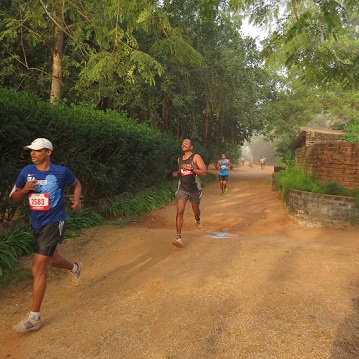
Auroville Marathon: Running Towards Harmony and Community
Nestled in the tranquil landscapes of Tamil Nadu, the Auroville Marathon is not just a race but a celebration of human unity, peace, and sustainability. Unlike many marathons that focus purely on the athletic aspect, the Auroville Marathon is deeply rooted in the ethos of Auroville, a universal township dedicated to the vision of human unity. A Unique Auroville Marathon Experience What sets the Auroville Marathon apart is its emphasis on non-competitiveness. There are no cash prizes or timing chips, and the focus is on the joy of running and participating. This approach aligns with the principles of Auroville, where the community thrives on cooperation, respect, and a shared purpose. A Community-Driven Event The marathon is a true reflection of Auroville’s community spirit. Organized by volunteers from the Auroville community, the event brings together people from different backgrounds, nationalities, and age groups. Whether they are seasoned marathoners, casual runners, or first-timers, all participants are welcomed with open arms. The support stations along the route, manned by enthusiastic volunteers, provide not just water and refreshments but also words of encouragement and a sense of belonging. This community-driven approach makes the Auroville Marathon a heartwarming experience where the journey matters more than the destination. Running for a Cause While the Auroville Marathon is non-commercial and non-competitive, it is also a platform for promoting sustainability and environmental consciousness. The event is plastic-free, with a strong emphasis on reducing waste and minimizing the environmental footprint. Runners are encouraged to carry their own water bottles, and the use of eco-friendly materials is prioritized throughout the event. In line with Auroville’s commitment to sustainability, the marathon also highlights various social and environmental causes. Participants often run in support of initiatives that promote education, health, and environmental conservation, adding a layer of purpose to their participation. A Cultural Extravaganza The Auroville Marathon is not just about running; it’s a cultural extravaganza that celebrates the diversity and creativity of the Auroville community. The event usually features music, dance performances, and art exhibitions, creating a festive atmosphere that resonates with the spirit of Auroville. For visitors and participants, the marathon is an opportunity to explore the unique culture of Auroville, which blends Eastern and Western philosophies, art, and spirituality. The post-marathon celebrations are a testament to the community’s vibrant and inclusive culture, where everyone is invited to join in the festivities. A Journey Within For many participants, the Auroville Marathon is more than just a physical challenge; it’s a journey within. The peaceful surroundings, coupled with the non-competitive nature of the event, allow runners to reflect, meditate, and find inner peace. It’s not uncommon for runners to describe the experience as transformative, as they connect with their inner selves while traversing the beautiful trails of Auroville. Conclusion The Auroville Marathon is a testament to the power of community, harmony, and sustainability. It’s a unique event that brings together people from all walks of life to run, not just for fitness, but for a greater cause. In a world that often emphasizes competition and individual achievement, the Auroville Marathon stands out as a reminder of the importance of unity, cooperation, and the joy of simply being. Whether you’re an avid runner or someone seeking a deeper connection with yourself and the world around you, the Auroville Marathon offers an experience that is both enriching and uplifting. Join the run, and become a part of a movement that celebrates the essence of humanity.

Goa River Marathon – a sneak peek
Nestled along the scenic banks of the Zuari River, the Goa River Marathon offers a unique blend of athletic challenge, natural beauty, and cultural vibrancy. This annual event has grown into one of India’s most anticipated marathons, drawing participants from all over the country and beyond. Whether you’re a seasoned marathoner, a casual runner, or someone looking for a memorable experience in Goa, this marathon has something for everyone. A Journey Through Paradise The Goa River Marathon is more than just a race—it’s a journey through one of India’s most picturesque landscapes. The marathon route meanders along the serene Zuari River, offering runners breathtaking views of lush green fields, traditional Goan villages, and the tranquil river itself. The early morning start ensures participants can witness the stunning sunrise over the river, making the experience as visually rewarding as it is physically challenging. Categories for All Levels One of the highlights of the Goa River Marathon is its inclusivity. The event features several categories to accommodate runners of all ages and skill levels. The full marathon (42.195 km) is a true test of endurance, while the half marathon (21.097 km) offers a slightly less grueling challenge. For those who prefer shorter distances, there’s a 10 km run, and even a 5 km fun walk/run designed to encourage participation from families and beginners. Each category is carefully planned to ensure that participants have a safe and enjoyable experience. The race organizers prioritize runner safety, with well-marked routes, hydration stations, and medical support readily available throughout the course. Beyond the Race: A Festival Atmosphere The Goa River Marathon is not just about running; it’s a celebration of community and culture. The event typically coincides with local festivities, allowing participants and spectators to immerse themselves in Goan culture. From traditional music and dance performances to stalls offering local delicacies, the marathon venue is transformed into a lively festival ground. Families and friends of participants often come to support their loved ones, turning the marathon into a social event that fosters camaraderie and community spirit. The post-race celebrations are particularly popular, with live entertainment, award ceremonies, and opportunities to mingle with fellow runners. A Cause Worth Running The Goa River Marathon also plays a significant role in promoting social causes. Many participants choose to run for charity, raising funds for various local and national initiatives. The event has a strong focus on environmental sustainability, with organizers taking steps to minimize waste and promote eco-friendly practices. This includes reducing plastic use, ensuring proper waste disposal, and encouraging participants to be mindful of their environmental impact. Training and Preparation Running a marathon requires preparation, and the Goa River Marathon is no exception. Goa’s warm and humid climate can be challenging, so acclimatization is key. Many runners incorporate early morning or late evening runs into their training to mimic the marathon’s conditions. Hydration and nutrition also play a crucial role in preparation. Runners are advised to stay well-hydrated and maintain a balanced diet in the weeks leading up to the race. Goa’s local cuisine offers a variety of healthy options, with fresh seafood, fruits, and vegetables providing the necessary fuel for marathon training. How to Participate Participating in the Goa River Marathon is simple. Registration usually opens a few months before the event, with early bird discounts available for those who sign up early. The marathon’s official website provides all the necessary details, including race categories, routes, and accommodation options. For those traveling from outside Goa, the state offers a wide range of accommodation options, from budget-friendly guesthouses to luxury resorts. Many runners choose to extend their stay and explore Goa’s famous beaches, historic sites, and vibrant nightlife after the marathon. Conclusion The Goa River Marathon is more than just a race—it’s an experience that combines the thrill of competition with the beauty of nature and the warmth of Goan hospitality. Whether you’re chasing a personal best or simply looking to enjoy a unique running event, the Goa River Marathon promises an unforgettable adventure. So lace up your running shoes, soak in the stunning views, and get ready to be part of something special.
The Spice Coast Marathon
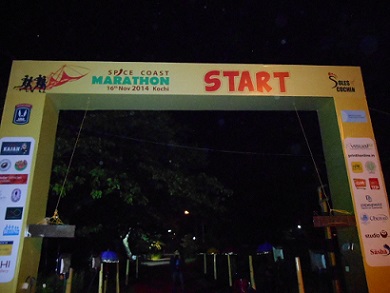
The Spice Coast Marathon is not just another race on the calendar; it’s a vibrant celebration of Kochi’s rich history, culture, and scenic beauty. Held annually in the coastal city of Kochi, Kerala, this marathon has grown in popularity, drawing runners from all over the country and beyond. Here’s a closer look at what makes the Spice Coast Marathon a must-experience event for runners and spectators alike. A Journey Through History Kochi, often referred to as the “Queen of the Arabian Sea,” is a city steeped in history. From the colonial-era buildings to the bustling spice markets, the city is a testament to its past as a major trading hub. The marathon course is designed to take runners through some of the most iconic landmarks in the city, offering a unique blend of history and modernity. As participants race along the streets, they pass by Fort Kochi, with its picturesque streets lined with colonial-era architecture, and the iconic Chinese fishing nets that have become synonymous with the city’s image. The route also takes runners along the scenic Marine Drive, offering stunning views of the backwaters and the harbor. The Spirit of the Spice Coast The Spice Coast Marathon is more than just a physical challenge; it’s an experience that embodies the spirit of Kerala. The state is known for its hospitality, and this is evident in the way the marathon is organized. From the enthusiastic volunteers who line the streets, cheering on runners, to the local residents who offer refreshments, the sense of community is palpable. Kerala’s rich cultural heritage is also on full display during the marathon. Traditional music and dance performances are held at various points along the route, providing runners with a taste of the local culture. The post-race celebrations are equally vibrant, with participants treated to a traditional Kerala feast, complete with local delicacies like appam, stew, and banana chips. Challenges and Rewards While the Spice Coast Marathon is undoubtedly a visual and cultural feast, it’s also a challenging race. The humid coastal climate can be tough on runners, especially those who are not used to such conditions. However, the organizers go to great lengths to ensure that participants are well taken care of, with ample water stations and medical support available throughout the course. For those who conquer the marathon, the rewards are many. Beyond the personal satisfaction of completing the race, runners receive a medal that is as unique as the event itself—crafted from locally sourced materials and inspired by the region’s maritime history. Why You Should Run the Spice Coast Marathon Whether you’re a seasoned marathoner or a beginner looking for a unique experience, the Spice Coast Marathon is a race that should be on your bucket list. It offers the perfect combination of challenge, culture, and community, all set against the backdrop of one of India’s most beautiful coastal cities. Running the Spice Coast Marathon is not just about crossing the finish line; it’s about immersing yourself in the essence of Kochi, experiencing the warmth of its people, and taking part in a tradition that celebrates both the past and the present. So lace up your running shoes, take in the salty sea breeze, and get ready to experience a marathon like no other. The Spice Coast Marathon awaits you in Kochi, where every step is a journey through time and every mile tells a story.
The Spice Coast Marathon
The Spice Coast Marathon is not just another race on the calendar; it’s a vibrant celebration of Kochi’s rich history, culture, and scenic beauty. Held annually in the coastal city of Kochi, Kerala, this marathon has grown in popularity, drawing runners from all over the country and beyond. Here’s a closer look at what makes the Spice Coast Marathon a must-experience event for runners and spectators alike. A Journey Through History Kochi, often referred to as the “Queen of the Arabian Sea,” is a city steeped in history. From the colonial-era buildings to the bustling spice markets, the city is a testament to its past as a major trading hub. The marathon course is designed to take runners through some of the most iconic landmarks in the city, offering a unique blend of history and modernity. As participants race along the streets, they pass by Fort Kochi, with its picturesque streets lined with colonial-era architecture, and the iconic Chinese fishing nets that have become synonymous with the city’s image. The route also takes runners along the scenic Marine Drive, offering stunning views of the backwaters and the harbor. The Spirit of the Spice Coast The Spice Coast Marathon is more than just a physical challenge; it’s an experience that embodies the spirit of Kerala. The state is known for its hospitality, and this is evident in the way the marathon is organized. From the enthusiastic volunteers who line the streets, cheering on runners, to the local residents who offer refreshments, the sense of community is palpable. Kerala’s rich cultural heritage is also on full display during the marathon. Traditional music and dance performances are held at various points along the route, providing runners with a taste of the local culture. The post-race celebrations are equally vibrant, with participants treated to a traditional Kerala feast, complete with local delicacies like appam, stew, and banana chips. Challenges and Rewards While the Spice Coast Marathon is undoubtedly a visual and cultural feast, it’s also a challenging race. The humid coastal climate can be tough on runners, especially those who are not used to such conditions. However, the organizers go to great lengths to ensure that participants are well taken care of, with ample water stations and medical support available throughout the course. For those who conquer the marathon, the rewards are many. Beyond the personal satisfaction of completing the race, runners receive a medal that is as unique as the event itself—crafted from locally sourced materials and inspired by the region’s maritime history. Why You Should Run the Spice Coast Marathon Whether you’re a seasoned marathoner or a beginner looking for a unique experience, the Spice Coast Marathon is a race that should be on your bucket list. It offers the perfect combination of challenge, culture, and community, all set against the backdrop of one of India’s most beautiful coastal cities. Running the Spice Coast Marathon is not just about crossing the finish line; it’s about immersing yourself in the essence of Kochi, experiencing the warmth of its people, and taking part in a tradition that celebrates both the past and the present. So lace up your running shoes, take in the salty sea breeze, and get ready to experience a marathon like no other. The Spice Coast Marathon awaits you in Kochi, where every step is a journey through time and every mile tells a story.

The exclusive bangalore marathon
The Bangalore Marathon has become an iconic event in the city’s calendar, attracting thousands of runners from all corners of India and beyond. Known for its vibrant atmosphere, scenic routes, and challenging terrain, the marathon is more than just a race; it’s a celebration of community, fitness, and the spirit of Bangalore. A Race Through the Garden City Bangalore, often referred to as the “Garden City” of India, offers a unique backdrop for marathoners. The race route winds through the city’s lush green parks, historic landmarks, and bustling neighborhoods, giving participants a true taste of Bangalore’s rich cultural tapestry. The cool morning breeze and the occasional canopy of trees provide some respite, but the undulating terrain can test even the most seasoned runners. Categories for All Runners The Bangalore Marathon caters to all levels of runners, with different categories including a full marathon (42.195 km), half marathon (21.097 km), and a 10k race. For those looking to soak in the atmosphere without the intense physical challenge, there are also 5k and fun run options. Each category attracts a diverse crowd, from elite athletes vying for personal bests to casual joggers running for a cause. A Platform for Social Causes One of the most inspiring aspects of the Bangalore Marathon is its commitment to social causes. Many participants run to raise awareness and funds for various charities, from supporting education and healthcare initiatives to environmental conservation. The marathon serves as a powerful platform for individuals and organizations to make a difference, adding a deeper sense of purpose to the event. The Spirit of Participation What truly sets the Bangalore Marathon apart is the spirit of participation. The city’s residents come out in full force to cheer on the runners, offering water, snacks, and endless encouragement. This sense of community is palpable, creating an electric atmosphere that fuels the runners’ determination. The event also draws volunteers from all walks of life, who work tirelessly to ensure the marathon runs smoothly. Preparation and Training Tips For those considering taking part in the Bangalore Marathon, preparation is key. The city’s hilly terrain can be demanding, so incorporating hill training into your routine can be beneficial. Hydration is also crucial, especially given Bangalore’s weather, which can shift from cool to warm as the day progresses. Joining local running groups can provide both motivation and practical advice on tackling the course. Conclusion The Bangalore Marathon is more than just a race; it’s a vibrant expression of the city’s energy, diversity, and commitment to health and wellness. Whether you’re a seasoned marathoner or a first-time participant, the event offers an unforgettable experience that captures the essence of Bangalore. As the city comes alive with the pounding of feet and the cheers of onlookers, the Bangalore Marathon stands as a testament to the enduring power of community and the unbreakable spirit of its runners.
The legendary Airtel Delhi Half Marathon
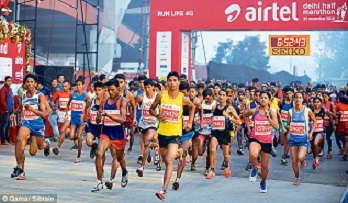
The Airtel Delhi Half Marathon (ADHM) is more than just a race; it’s a celebration of fitness, community spirit, and the vibrant culture of Delhi. Each year, thousands of runners—from seasoned athletes to enthusiastic beginners—take to the streets of India’s capital to participate in this iconic event, which has grown to become one of the most prestigious half marathons in Asia. The Legacy of ADHM Since its inception in 2005, the Airtel Delhi Half Marathon has not only attracted elite runners from around the world but also inspired a movement towards healthier lifestyles across India. With a course that winds through the heart of Delhi, passing by historic landmarks and modern infrastructure, the marathon offers participants a unique perspective on the city’s rich heritage and its contemporary dynamism. The event is not just about the race; it’s about fostering a culture of fitness. Over the years, ADHM has become a symbol of perseverance, determination, and the collective spirit of the running community. It has encouraged countless individuals to lace up their running shoes, embrace an active lifestyle, and push their limits. The Race Experience The Airtel Delhi Half Marathon is meticulously organized, ensuring a world-class experience for all participants. The race typically offers multiple categories, including the 21.0975 km half marathon, the 10 km run, the Great Delhi Run (6 km), and other shorter runs designed to include runners of all ages and abilities. Running in the ADHM is an experience like no other. As the sun rises over Delhi, the city comes alive with the energy of thousands of runners pounding the pavement. Spectators line the route, cheering and motivating participants, while volunteers provide essential support along the way. The atmosphere is electric, filled with a sense of camaraderie and shared purpose. The Impact Beyond the Finish Line The Airtel Delhi Half Marathon is not just about the race day. It’s an event that drives significant social impact. Each year, it partners with various NGOs and charitable organizations, providing a platform for runners to raise funds and awareness for causes close to their hearts. The marathon has helped generate substantial contributions to a wide range of social initiatives, making a tangible difference in the lives of many. Furthermore, the event promotes environmental sustainability by implementing green practices, such as reducing plastic usage, recycling waste, and minimizing the overall carbon footprint of the event. Training and Preparation Participating in a half marathon requires dedication and preparation. Runners often begin training months in advance, focusing on building endurance, strength, and mental toughness. Many local running groups and online communities offer support, tips, and structured training plans to help participants get ready for race day. For beginners, it’s essential to start with a realistic goal, gradually increasing mileage and incorporating rest days to prevent injury. Nutrition and hydration are also key factors, and runners need to ensure they’re fueling their bodies adequately to meet the demands of training. Why You Should Participate Whether you’re a seasoned runner or someone looking to take the first step towards a healthier lifestyle, the Airtel Delhi Half Marathon offers an incredible opportunity to challenge yourself, connect with like-minded individuals, and experience the joy of running in one of the world’s most vibrant cities. Participating in ADHM is not just about finishing the race; it’s about embracing the journey, enjoying the process of training, and being part of a community that celebrates perseverance and resilience. It’s about setting personal milestones, whether that’s completing your first race, achieving a new personal best, or simply enjoying the thrill of being part of something bigger than yourself. So, if you’re looking for a new goal to set your sights on, the Airtel Delhi Half Marathon might just be the perfect challenge. It’s a race that promises not just the satisfaction of crossing the finish line but also the unforgettable experience of running through the heart of Delhi, with its rich history and modern energy propelling you forward. Get ready to lace up your shoes, hit the roads, and become part of a legacy that inspires millions. The Airtel Delhi Half Marathon awaits you—are you ready to run towards a healthier tomorrow?
Tata Mumbai Marathon – what makes it a phenomena
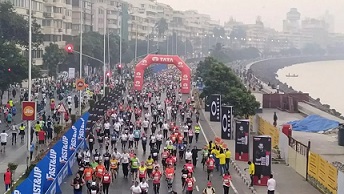
The Tata Mumbai Marathon, often hailed as one of India’s most iconic sporting events, is much more than just a race. It’s a celebration of the city’s vibrant spirit, resilience, and unity. Every year, thousands of runners from across the globe converge in Mumbai, not just to compete, but to be a part of an event that symbolizes the city’s undying energy. The Origins of the Tata Mumbai Marathon The Tata Mumbai Marathon was first held in 2004, initiated by Procam International, with the vision of bringing a world-class marathon to India. Over the years, it has grown to become one of Asia’s largest marathons and has earned the prestigious IAAF Gold Label status. The event has always been more than a race; it’s a festival that unites people from all walks of life, from elite athletes to enthusiastic amateurs, all running for various causes. The Race Categories The Tata Mumbai Marathon is not just for the seasoned runner. It offers multiple race categories, catering to different levels of fitness and experience: The Spirit of Mumbai What makes the Tata Mumbai Marathon truly special is the spirit of Mumbai that it embodies. The city, known for its fast-paced life, comes to a standstill on marathon day, with thousands lining the streets to cheer on the runners. From the early morning hours, the streets buzz with excitement, as people from all backgrounds come together to support the participants. The sound of drums, the colorful banners, and the sheer energy of the crowd are a testament to the city’s unwavering spirit. Running for a Cause The Tata Mumbai Marathon is not just about physical endurance; it’s also a powerful platform for social change. Every year, the marathon raises millions of rupees for various charities, making it one of the largest fundraising events in India. Runners have the opportunity to choose a cause close to their heart and run to make a difference. This philanthropic aspect has become a cornerstone of the event, inspiring thousands to use their passion for running to support those in need. The Impact on the Running Community The Tata Mumbai Marathon has had a profound impact on the running culture in India. It has inspired countless people to take up running, leading to a surge in running clubs and events across the country. The marathon has also brought international recognition to India’s running scene, attracting elite runners and fostering a sense of camaraderie among the global running community. Conclusion The Tata Mumbai Marathon is more than just a race; it’s a symbol of Mumbai’s resilience, diversity, and unity. It brings together people from all walks of life, all running for different reasons but united by a common goal – to cross the finish line and be a part of something bigger than themselves. Whether you’re an elite athlete or a first-time runner, the Tata Mumbai Marathon offers an experience like no other, one that celebrates the indomitable spirit of Mumbai.
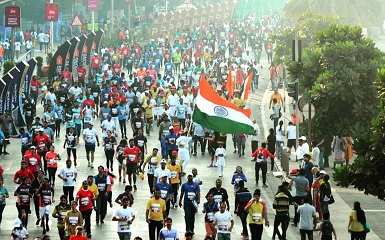
Best Marathons to Run in India
Running best marathons to run in india is becoming increasingly, offering runners the chance to explore different landscapes, climates, and cultures. Whether you’re a seasoned runner or just starting out, here are some of the best marathons in India that provide both challenge and experience. 1. Tata Mumbai Marathon As one of the largest and most prestigious marathons in India, the Tata Mumbai Marathon draws runners from all over the world. The course takes participants through the city’s iconic landmarks, offering a blend of urban excitement and scenic views along the Marine Drive. 2. Airtel Delhi Half Marathon Held in the heart of India’s capital, this marathon is perfect for runners who want to experience the vibrant culture and history of Delhi. The race is well-organized and attracts elite athletes, making it a fast and competitive event. 3. Bangalore Marathon Known for its challenging routes and vibrant atmosphere, the Bangalore Marathon is a favorite among runners. The cool climate and the city’s lush greenery make it an ideal location for long-distance running. 4. Spice Coast Marathon, Kochi For those looking for a scenic run, the Spice Coast Marathon in Kochi is a must-do. The course winds through the picturesque backwaters and coastal roads, offering a unique running experience amidst Kerala’s natural beauty. 5. Goa River Marathon This marathon is perfect for runners who love a laid-back vibe. The Goa River Marathon takes you through the serene and beautiful landscapes along the Zuari River, making it a refreshing and enjoyable run. 6. Auroville Marathon Set in the peaceful and spiritual township of Auroville near Pondicherry, this marathon is more about self-exploration than competition. The route takes you through trails, forests, and open fields, offering a tranquil running experience. 7. Kaveri Trail Marathon For trail runners, the Kaveri Trail Marathon is a top pick. The course is set along the Kaveri River and offers a mix of challenging terrain and scenic beauty, making it a favorite among adventure runners. 8. Satara Hill Half Marathon This marathon is known for its challenging uphill course. It is set in the Western Ghats, offering breathtaking views of the mountains and valleys. It’s an excellent choice for runners looking to test their endurance. 9. Ladakh Marathon One of the highest marathons in the world, the Ladakh Marathon is a true test of endurance and resilience. The high-altitude course, stunning landscapes, and the serene environment make it a unique and unforgettable experience. 10. Pune International Marathon This marathon has a rich history and is one of the oldest in India. The Pune International Marathon takes you through the city’s historic and cultural landmarks, offering a mix of tradition and modernity. These marathons not only provide an excellent platform for testing your physical limits but also allow you to immerse yourself in the diverse cultural and natural beauty of India.