


The NCAA Division I Cross Country Championships are a pinnacle event in collegiate athletics, showcasing the best distance runners from universities across the United States. Held annually since 1938, the championships have become a storied tradition, rich in history and teeming with athletic excellence. The Origins and Evolution The NCAA Division I Cross Country Championships began as a small, relatively low-key event, but have grown significantly in stature over the decades. Initially, the competition featured only a men’s race, with the women’s championship being introduced in 1981 as part of a broader push toward gender equality in collegiate sports. Over the years, the event has evolved into a high-profile spectacle that attracts thousands of spectators and garners significant media coverage. The races are held in November, often in challenging weather conditions, adding to the drama and intensity of the competition. The Format The championships feature two races: one for men and one for women. The men’s race covers 10,000 meters (approximately 6.2 miles), while the women’s race is 6,000 meters (approximately 3.7 miles). Both races are team events, where universities compete for the national title. Each team consists of seven runners, with the top five finishers from each team scoring points based on their finishing position. The team with the lowest total points wins the national championship. Individual athletes also compete for the coveted title of national champion, with the first runner to cross the finish line being crowned the individual winner. The balance between individual and team strategies adds a unique layer of complexity to the race, as runners must balance their personal ambitions with the needs of their team. Notable Moments and Legends The NCAA Division I Cross Country Championships have been the stage for numerous memorable performances and have produced some of the most celebrated names in distance running. Legendary athletes like Steve Prefontaine, Alberto Salazar, and Shalane Flanagan have all left their mark on this prestigious event, using it as a springboard to illustrious careers on the international stage. One of the most iconic moments in the championship’s history came in 2008, when Oregon’s Galen Rupp won the individual title, leading his team to a national championship. Rupp’s victory was a testament to his incredible talent and determination, and it solidified his reputation as one of the greatest distance runners in NCAA history. The Impact on Collegiate and Professional Running The NCAA Division I Cross Country Championships serve as a critical stepping stone for many athletes aspiring to compete at the professional level. The rigorous competition provides a platform for emerging talent to showcase their abilities, and many NCAA champions have gone on to represent the United States in international competitions, including the Olympic Games. For universities, winning the NCAA cross country title is a prestigious achievement that can boost their athletic programs’ reputation and help attract top talent in the future. The championship’s importance is reflected in the level of preparation and investment that universities dedicate to their cross country teams. The 2023 Championships: A Glimpse into the Future The 2023 NCAA Division I Cross Country Championships, held at Panorama Farms in Charlottesville, Virginia, provided yet another thrilling chapter in the event’s history. With standout performances from both seasoned athletes and rising stars, the championships offered a glimpse into the future of American distance running. The men’s race saw Northern Arizona University (NAU) continue their dominance, securing their seventh title in eight years, thanks to a stellar team performance. On the women’s side, the University of North Carolina (UNC) claimed their first-ever team title, marking a historic moment for the program. Individually, Parker Wolfe of UNC and Katelyn Tuohy of NC State emerged as the champions, showcasing their potential as future leaders in the sport. Conclusion: A Celebration of Athleticism and Team Spirit The NCAA Division I Cross Country Championships are more than just a race; they are a celebration of athleticism, endurance, and team spirit. For the athletes, coaches, and fans involved, the championships represent the culmination of years of hard work and dedication. As each new season brings fresh challenges and opportunities, the tradition of excellence continues, inspiring the next generation of runners to chase their dreams and leave their mark on the storied history of NCAA cross country. This event remains a cornerstone of collegiate athletics, embodying the spirit of competition and the pursuit of excellence that defines NCAA sports. As the championship continues to evolve, it will undoubtedly produce more unforgettable moments and legendary athletes, adding to its rich legacy.

THE STORY OF IAAF World Cross Country Championships
The IAAF World Cross Country Championships is not just another athletic event—it’s a celebration of endurance, strategy, and the human spirit. Since its inception in 1973, the championship has grown into one of the most prestigious events in the world of distance running, attracting elite athletes from every corner of the globe. A Rich History The roots of the IAAF World Cross Country Championships can be traced back to the International Cross Country Championships, which began in 1903. However, it wasn’t until 1973 that the International Association of Athletics Federations (IAAF) took over and rebranded the event, expanding it to include competitors from all over the world. The championship has evolved over the decades, both in format and prestige. Initially, the event featured only men’s races, but by 1975, women’s races were introduced, and junior categories were added, making it a comprehensive competition for all age groups. The Challenge of Cross Country Running What makes the IAAF World Cross Country Championships unique is the nature of the event itself. Unlike track events, where the surface is predictable and the course is meticulously measured, cross country running is all about embracing the unpredictability of natural terrain. Runners face a variety of obstacles, from muddy trails and steep hills to uneven ground and sharp turns. The courses are typically between 8 to 12 kilometers long, depending on the category, and they test not only the physical endurance of the athletes but also their mental fortitude and tactical acumen. The terrain often dictates the outcome of the race more than anything else. Athletes must adapt their strategy on the fly, knowing when to push hard and when to conserve energy. The ability to read the course and react to changing conditions is what separates the good from the great in cross country running. Iconic Moments and Legendary Performances Over the years, the IAAF World Cross Country Championships has witnessed some of the most memorable performances in distance running. Legendary athletes like Ethiopia’s Kenenisa Bekele and Kenya’s Paul Tergat have dominated the event, each winning multiple titles and setting records that still stand today. Bekele, in particular, is celebrated for his incredible run of victories, winning both the short and long course titles in the same year on multiple occasions. The event has also been a showcase for emerging talent, with many young athletes using their success in the junior categories as a springboard to illustrious careers on the global stage. A Global Gathering One of the most remarkable aspects of the IAAF World Cross Country Championships is its ability to bring together a diverse array of athletes from different cultures and backgrounds. The event is a true global gathering, with participants from over 50 countries competing every year. This international flavor adds to the excitement and prestige of the championship, as athletes not only compete for individual glory but also for national pride in the team competitions. The Future of the Championships As the world of athletics continues to evolve, so too does the IAAF World Cross Country Championships. The event has adapted to the changing landscape of the sport, embracing new technologies and formats to keep it relevant and exciting for both athletes and fans. The introduction of mixed relay events in recent years is just one example of how the championship is innovating to stay ahead. Looking ahead, the IAAF World Cross Country Championships will undoubtedly continue to be a cornerstone of the athletics calendar. It remains a vital proving ground for the world’s best distance runners and a source of inspiration for the next generation of athletes. Conclusion The IAAF World Cross Country Championships is more than just a race—it’s a test of human endurance, resilience, and strategy. With its rich history, challenging courses, and legendary performances, it holds a special place in the hearts of athletes and fans alike. As the event continues to grow and evolve, it will undoubtedly inspire and captivate future generations of runners, solidifying its place as one of the premier competitions in the world of athletics.

the World’s Top Cross Country Running Competitions
Cross country running is one of the most grueling yet rewarding forms of athletics. It challenges runners with diverse terrains, unpredictable weather, and varying distances. Unlike track or road races, cross country demands adaptability, endurance, and mental toughness. This sport has a rich history, with various competitions held around the world. In this post, we’ll take a closer look at some of the most prestigious cross country running competitions globally. 1. IAAF World Cross Country Championships The International Association of Athletics Federations (IAAF) World Cross Country Championships is the pinnacle of cross country running. Established in 1973, this annual event brings together the best long-distance runners from around the world. The competition features races for both men and women, with distances typically ranging from 8 to 12 kilometers. The IAAF World Cross Country Championships is known for its challenging courses, which often include steep hills, muddy trails, and sharp turns. Runners must be prepared for unpredictable weather conditions, as the event takes place in different countries each year. Past venues have included snowy fields in Norway, the rolling hills of Kenya, and the windswept landscapes of Scotland. 2. NCAA Division I Cross Country Championships The NCAA Division I Cross Country Championships is one of the most prestigious collegiate cross country events in the United States. This annual competition features the best university teams from across the country, competing in men’s and women’s races. The men’s race is typically 10 kilometers, while the women’s race is 6 kilometers. The NCAA Championships are known for their intense competition and high level of athleticism. Many of the top collegiate runners go on to have successful professional careers in distance running. The courses are often challenging, with a mix of flat terrain, hills, and grassy fields, testing the runners’ endurance and strategy. 3. European Cross Country Championships The European Cross Country Championships is an annual event organized by European Athletics. First held in 1994, this competition has grown in popularity and now attracts some of the best cross country runners from across Europe. The event includes races for senior men and women, as well as junior and under-23 categories. The European Championships are known for their varied and often tough courses, which reflect the diverse landscapes of the host countries. From muddy fields in Great Britain to snow-covered tracks in Sweden, the event offers a true test of a runner’s ability to handle different terrains and weather conditions. 4. Great Edinburgh Cross Country The Great Edinburgh Cross Country is a popular event held in Scotland, attracting elite runners from around the world. Unlike many other cross country competitions, this event is held in early January, often leading to cold and snowy conditions. The course is set in the scenic Holyrood Park, with challenging hills and technical sections. The event is unique in that it features a team format, with teams from Great Britain, Europe, and the United States competing against each other. This adds an exciting element of national pride to the competition, as runners strive to score points for their teams. 5. Cross Internacional de Itálica The Cross Internacional de Itálica is held annually in Santiponce, near Seville, Spain. What makes this race particularly special is its setting amidst the ruins of the ancient Roman city of Itálica. The course winds through historical landmarks, providing a unique backdrop for this challenging race. First held in 1982, the Cross Internacional de Itálica has become one of the most important cross country events in Spain. It attracts top international runners, who are drawn not only by the competition but also by the opportunity to race in such a historic and scenic location. 6. Kenya National Cross Country Championships Kenya is renowned for producing some of the best long-distance runners in the world, and the Kenya National Cross Country Championships is a showcase of this talent. Held annually, this event serves as a qualifier for the IAAF World Cross Country Championships, making it highly competitive. The course is typically tough, with runners having to navigate through hilly and often muddy terrain. The high altitude of many Kenyan venues also adds to the challenge. The event is a crucial part of the Kenyan athletics calendar and often sees intense competition as athletes vie for a spot on the national team. Conclusion Cross country running is a sport that tests the limits of physical and mental endurance. Whether it’s the global stage of the IAAF World Championships, the historic backdrop of the Cross Internacional de Itálica, or the intense competition of the NCAA Championships, these events capture the spirit of cross country running. They bring together runners from all walks of life, united by their love of the sport and their determination to conquer the challenges posed by nature and terrain. Whether you’re an aspiring cross country runner or a fan of the sport, these competitions offer a glimpse into the raw, unfiltered beauty of running in its purest form.
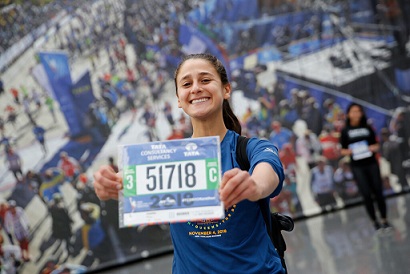
The Evolution of Bib System in Marathons: A Journey Through Time
Running a marathon is a triumph of human endurance, determination, and community spirit. For many, the experience is marked not just by the race itself, but also by the rituals and symbols that accompany it—one of the most iconic being the race bib. The small piece of fabric pinned to a runner’s chest has a history that reflects the evolution of marathon running from its early days to the modern, tech-enhanced races we know today. The Early Days of Marathons The history of organized marathons dates back to the late 19th century, with the first modern marathon being held at the inaugural Olympic Games in Athens in 1896. In those early years, the concept of race bibs as we know them today didn’t exist. Participants in these early races were often few in number, and race organizers could easily identify them without the need for bibs. Instead, runners might wear simple sashes or numbers affixed to their clothing. The Introduction of Race Bibs The bib system as we recognize it began to take shape in the mid-20th century. As marathons became more popular and attracted larger numbers of participants, the need for a more organized way to identify runners became apparent. The New York City Marathon, which began in 1970, is one of the earliest examples of a race where participants wore bibs with numbers. Initially, these bibs were simple: just a number printed on a piece of cloth or paper. They were a practical solution for race organizers to keep track of runners and ensure accurate timing. Over time, however, bibs began to serve additional purposes, such as indicating different categories of runners (e.g., elite, amateur, age group), and even carrying branding or sponsor logos. Technological Advancements: The Advent of RFID and QR Codes The turn of the 21st century brought significant technological advancements to the world of marathons, and race bibs evolved accordingly. One of the most notable innovations was the introduction of RFID (Radio Frequency Identification) chips embedded in bibs. These chips allowed for precise tracking of a runner’s time and location on the course, making it easier to monitor performance and ensure accurate race results. The first major marathon to use RFID technology was the Berlin Marathon in 1994, setting a new standard for how races were timed. Today, almost all major marathons use this technology, allowing for real-time tracking of runners and providing a wealth of data for both participants and spectators. More recently, some race bibs have incorporated QR codes, which can be scanned for quick access to a runner’s information, race results, or even live updates during the race. This integration of technology has not only improved race logistics but also enhanced the overall experience for participants and supporters alike. The Symbolism of the Bib System Beyond its practical uses, the race bib has become a symbol of accomplishment for marathon runners. It represents the months of training, the personal challenges overcome, and the camaraderie shared with fellow runners. Many participants choose to keep their bibs as souvenirs, framing them or adding them to scrapbooks as reminders of their achievement. In recent years, some races have even offered personalized bibs, allowing runners to print their names or motivational messages on them. This personalization adds an extra layer of meaning to the bib, making it not just a number, but a unique memento of the race. The Future of Race Bibs As technology continues to advance, the future of race bibs may see further innovations. We might see integration with wearable technology, even more sophisticated tracking systems, or entirely new ways of identifying and managing runners. However, no matter how much the technology evolves, the core symbolism of the bib—a testament to the spirit of marathon running—will likely endure. Conclusion The bib system in marathons has come a long way from its humble beginnings. It has evolved from a simple means of identification to a sophisticated tool that enhances the race experience for runners and organizers alike. As marathons continue to grow in popularity and technology advances, the bib will remain a central part of the marathon tradition, symbolizing the perseverance and dedication of those who take on the challenge.
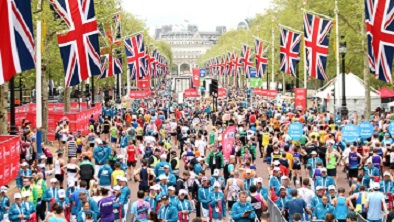
The London Marathon: A Race Through History and Heart
The London Marathon is more than just a race; it’s a celebration of endurance, community, and the human spirit. Held annually since 1981, this iconic event has grown from a simple footrace into a global phenomenon, attracting elite athletes, charity fundraisers, and everyday runners alike. Whether you’re a seasoned marathoner or a first-time spectator, the London Marathon offers something for everyone. A Historic Route The 26.2-mile course winds its way through some of London’s most famous landmarks, offering runners and spectators alike a tour of the city’s rich history. The race starts in the leafy suburbs of Greenwich, passing by the historic Cutty Sark ship and the soaring towers of Canary Wharf. As runners cross Tower Bridge, they are greeted by the stunning sight of the River Thames and the towering Shard. The final stretch takes them past the Houses of Parliament and Big Ben, with the finish line just in front of Buckingham Palace on The Mall. The route itself is a journey through London’s past and present, merging the city’s storied history with the vibrancy of its modern urban landscape. The Spirit of the Race What sets the London Marathon apart from other major marathons is its unique blend of elite competition and community spirit. The race is known for its diverse field, where world-class athletes compete for the title alongside everyday runners, many of whom are running for charity. The atmosphere is electric, with spectators lining the streets, cheering on participants, and offering words of encouragement. The London Marathon has raised millions of pounds for charity, with participants often donning elaborate costumes to draw attention to their causes. From superheroes to animals, the costumes add a playful element to the race, reminding everyone that the marathon is about more than just speed—it’s about heart. Training and Preparation For London Marathon Training for the London Marathon is no small feat. The months leading up to the race are filled with long runs, cross-training, and careful attention to diet and recovery. For many, the marathon is the culmination of months, if not years, of hard work and dedication. The challenge of balancing training with daily life adds an extra layer of accomplishment to crossing the finish line. For those considering running the London Marathon, it’s important to follow a structured training plan tailored to your fitness level. Whether you’re aiming for a personal best or simply to finish, proper preparation is key to enjoying the race and avoiding injury. Race Day Experience Race day in London is an experience like no other. The excitement begins early in the morning as runners make their way to the starting line, fueled by anticipation and nerves. The energy in the air is palpable, with runners exchanging smiles, offering each other support, and sharing stories of their journey to the marathon. As the race begins, the streets come alive with the sound of pounding feet, cheering crowds, and the occasional musical performance from bands stationed along the route. The camaraderie among runners is evident, with participants often encouraging each other during the more challenging parts of the course. The sight of thousands of runners moving as one, united by a common goal, is truly inspiring. Crossing the Finish Line The final stretch of the London Marathon is a test of willpower and determination. As runners turn onto The Mall, the iconic sight of Buckingham Palace in the distance provides a final surge of motivation. Crossing the finish line is a moment of triumph, filled with emotion—relief, joy, and often tears. For many, the London Marathon is not just about completing a race; it’s about personal achievement, overcoming challenges, and being part of something bigger than themselves. Conclusion The London Marathon is a race that embodies the spirit of resilience and community. It’s a journey through one of the world’s greatest cities, a celebration of athleticism, and a testament to the power of the human spirit. Whether you’re running, cheering from the sidelines, or watching from afar, the London Marathon is an event that inspires and unites, reminding us all of the incredible things we can achieve when we come together. If you’re ever in London in April, don’t miss the chance to experience this remarkable event. Whether as a runner or a spectator, the London Marathon is a day that will stay with you long after the race is over.
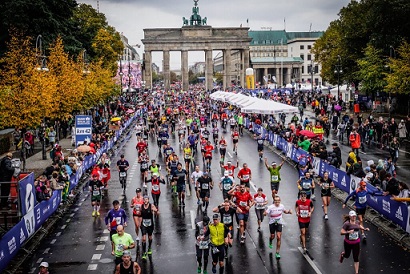
Berlin Marathon: A Race Through History and Records
The Berlin Marathon is not just another race; it’s a celebration of human endurance, a test of physical and mental fortitude, and a journey through one of the world’s most iconic cities. Each year, thousands of runners from around the globe converge on Berlin, drawn by the allure of its flat, fast course and the possibility of making personal and world history. The History of the Berlin Marathon The Berlin Marathon was first held in 1974, with only 286 participants running through the Grunewald forest. Since then, it has grown exponentially in size and stature, becoming one of the six World Marathon Majors, alongside Boston, Chicago, London, New York, and Tokyo. Berlin’s marathon is particularly renowned for its incredible course, which weaves through the city’s most famous landmarks. The race starts and finishes near the Brandenburg Gate, a symbol of unity and peace in a city that has seen its fair share of division and conflict. Runners pass by other historical and cultural sites, such as the Reichstag, Potsdamer Platz, and the Berlin Cathedral, making it not just a physical journey but a historical one. Why Berlin? Several factors make Berlin a runner’s paradise. The course is famously flat, with only a few minor inclines, which is ideal for both amateur runners seeking a personal best and elite athletes aiming to break records. Berlin’s temperate climate in late September also provides optimal conditions for marathon running, with cool temperatures and low humidity. Moreover, the organization of the Berlin Marathon is exemplary. The event is meticulously planned, with plenty of water stations, medical support, and enthusiastic crowds lining the streets to cheer on the participants. The atmosphere is electric, with live music, spectators waving flags, and the camaraderie among runners providing a constant source of motivation. World Records and Legendary Performances The Berlin Marathon is often referred to as the “fastest marathon in the world,” and for good reason. Since the early 2000s, Berlin has been the stage for multiple world record-breaking performances. This reputation began in 2003 when Kenyan runner Paul Tergat set a world record of 2:04:55. Since then, records have tumbled in Berlin, with the most recent being set by Kenya’s Eliud Kipchoge in 2022, who ran an astonishing 2:01:09, shaving 30 seconds off his previous best set on the same course in 2018. The course’s layout and the pacemakers’ precision contribute to these feats, but it’s also the city’s energy that propels runners to push beyond their limits. Athletes know that Berlin offers them the best chance to etch their names into the history books, and the marathon has become a must-run for anyone looking to test the upper limits of human speed. The Experience for Amateur Runners While Berlin attracts elite athletes, it’s also a dream for amateur runners. Completing the Berlin Marathon is a bucket list achievement for many, offering not just the chance to run alongside the best in the world but also the opportunity to soak in the atmosphere of a city rich in history and culture. The race’s inclusive atmosphere welcomes runners of all abilities, from first-timers to seasoned marathoners. The sense of community among participants is palpable, as runners encourage each other over the 42.195 kilometers (26.2 miles) that stretch across the city. The post-race celebration, with runners sharing their experiences and proudly displaying their medals, is as much a part of the marathon as the race itself. A City Transformed On marathon day, Berlin transforms into a festival of sport. The streets are closed to traffic, turning the city into one big running track. The local community embraces the marathon with enthusiasm, with spectators lining the streets to offer support and encouragement to the runners. The event brings together people from all walks of life, uniting them in their admiration for the athletes’ perseverance and determination. The Berlin Marathon in 2024 As we look ahead to the 2024 Berlin Marathon, anticipation is building. Will we see another world record? What stories of personal triumph will emerge from the thousands who cross the finish line? One thing is certain: the Berlin Marathon will continue to inspire and challenge runners from around the world. Whether you’re an elite athlete aiming for the podium, an amateur runner chasing a personal best, or a spectator soaking in the atmosphere, the Berlin Marathon is more than a race. It’s an experience, a tradition, and a celebration of the human spirit.
Berlin Marathon: A Race Through History and Records
The Berlin Marathon is not just another race; it’s a celebration of human endurance, a test of physical and mental fortitude, and a journey through one of the world’s most iconic cities. Each year, thousands of runners from around the globe converge on Berlin, drawn by the allure of its flat, fast course and the possibility of making personal and world history. The History of the Berlin Marathon The Berlin Marathon was first held in 1974, with only 286 participants running through the Grunewald forest. Since then, it has grown exponentially in size and stature, becoming one of the six World Marathon Majors, alongside Boston, Chicago, London, New York, and Tokyo. Berlin’s marathon is particularly renowned for its incredible course, which weaves through the city’s most famous landmarks. The race starts and finishes near the Brandenburg Gate, a symbol of unity and peace in a city that has seen its fair share of division and conflict. Runners pass by other historical and cultural sites, such as the Reichstag, Potsdamer Platz, and the Berlin Cathedral, making it not just a physical journey but a historical one. Why Berlin? Several factors make Berlin a runner’s paradise. The course is famously flat, with only a few minor inclines, which is ideal for both amateur runners seeking a personal best and elite athletes aiming to break records. Berlin’s temperate climate in late September also provides optimal conditions for marathon running, with cool temperatures and low humidity. Moreover, the organization of the Berlin Marathon is exemplary. The event is meticulously planned, with plenty of water stations, medical support, and enthusiastic crowds lining the streets to cheer on the participants. The atmosphere is electric, with live music, spectators waving flags, and the camaraderie among runners providing a constant source of motivation. World Records and Legendary Performances The Berlin Marathon is often referred to as the “fastest marathon in the world,” and for good reason. Since the early 2000s, Berlin has been the stage for multiple world record-breaking performances. This reputation began in 2003 when Kenyan runner Paul Tergat set a world record of 2:04:55. Since then, records have tumbled in Berlin, with the most recent being set by Kenya’s Eliud Kipchoge in 2022, who ran an astonishing 2:01:09, shaving 30 seconds off his previous best set on the same course in 2018. The course’s layout and the pacemakers’ precision contribute to these feats, but it’s also the city’s energy that propels runners to push beyond their limits. Athletes know that Berlin offers them the best chance to etch their names into the history books, and the marathon has become a must-run for anyone looking to test the upper limits of human speed. The Experience for Amateur Runners While Berlin attracts elite athletes, it’s also a dream for amateur runners. Completing the Berlin Marathon is a bucket list achievement for many, offering not just the chance to run alongside the best in the world but also the opportunity to soak in the atmosphere of a city rich in history and culture. The race’s inclusive atmosphere welcomes runners of all abilities, from first-timers to seasoned marathoners. The sense of community among participants is palpable, as runners encourage each other over the 42.195 kilometers (26.2 miles) that stretch across the city. The post-race celebration, with runners sharing their experiences and proudly displaying their medals, is as much a part of the marathon as the race itself. A City Transformed On marathon day, Berlin transforms into a festival of sport. The streets are closed to traffic, turning the city into one big running track. The local community embraces the marathon with enthusiasm, with spectators lining the streets to offer support and encouragement to the runners. The event brings together people from all walks of life, uniting them in their admiration for the athletes’ perseverance and determination. The Berlin Marathon in 2024 As we look ahead to the 2024 Berlin Marathon, anticipation is building. Will we see another world record? What stories of personal triumph will emerge from the thousands who cross the finish line? One thing is certain: the Berlin Marathon will continue to inspire and challenge runners from around the world. Whether you’re an elite athlete aiming for the podium, an amateur runner chasing a personal best, or a spectator soaking in the atmosphere, the Berlin Marathon is more than a race. It’s an experience, a tradition, and a celebration of the human spirit.

The Boston Marathon: A Celebration of History, Resilience, and Community
The Boston Marathon is not just a race; it’s an emblem of tradition, perseverance, and community spirit. As one of the world’s oldest and most prestigious marathons, it holds a special place in the hearts of runners and spectators alike. Here’s a look at what makes the Boston Marathon so unique. A Storied History First held in 1897, the Boston Marathon is the oldest annual marathon in the world. It was inspired by the success of the first modern-day marathon competition in the 1896 Summer Olympics. Since its inception, the race has grown from a modest event with 15 participants to a global phenomenon attracting over 30,000 runners from all corners of the world. The Challenging Course The Boston Marathon’s point-to-point course is renowned for its difficulty. Starting in the rural town of Hopkinton, runners make their way through eight cities and towns before finishing on Boylston Street in the heart of Boston. The course is known for its challenging terrain, including the infamous Heartbreak Hill, a steep ascent located between miles 20 and 21. The combination of rolling hills and unpredictable New England weather makes completing the Boston Marathon a true test of endurance and resilience. Qualifying Standards One of the aspects that sets the Boston Marathon apart is its stringent qualifying standards. Runners must meet specific time criteria, based on their age and gender, in a certified marathon within a certain timeframe to earn a coveted spot in the race. These qualifying standards ensure a competitive field and make the achievement of running Boston a badge of honor for marathoners worldwide. Historical Milestones The Boston Marathon has been the stage for numerous historical moments. In 1966, Bobbi Gibb became the first woman to complete the race, challenging the gender norms of the time. A year later, Kathrine Switzer made headlines as the first woman to run the race with an official bib, despite efforts to physically remove her from the course. The event also saw the first official wheelchair division in 1975, showcasing its commitment to inclusivity. The Spirit of Patriot’s Day The Boston Marathon is held annually on Patriot’s Day, a state holiday in Massachusetts commemorating the battles of Lexington and Concord. This day adds a unique cultural and historical dimension to the race, drawing massive crowds and fostering a festive, community-driven atmosphere. Spectators line the streets, cheering on runners with unmatched enthusiasm and support. The Aftermath of 2013 The resilience and solidarity of the Boston Marathon community were profoundly tested on April 15, 2013, when two bombs exploded near the finish line, resulting in tragic loss and injury. The horrific event only strengthened the bond within the running community and the city of Boston. The phrase “Boston Strong” emerged as a symbol of the city’s resilience, and the marathon continues to be a testament to the enduring spirit of the participants and supporters. Charity and Community Impact The Boston Marathon is also notable for its significant charitable impact. Each year, thousands of runners participate on behalf of various charities, raising millions of dollars for worthy causes. This tradition of giving back enhances the race’s community spirit and leaves a lasting positive impact. Conclusion The Boston Marathon is more than just a race; it’s a celebration of history, endurance, and community. Its rich traditions, challenging course, and the spirit of resilience and unity make it a standout event in the world of athletics. For runners and spectators alike, the Boston Marathon is a testament to the power of human determination and the strength of community. Whether you’re aiming to qualify or simply to be part of the experience, the Boston Marathon holds a special place in the world of sports and in the hearts of many.
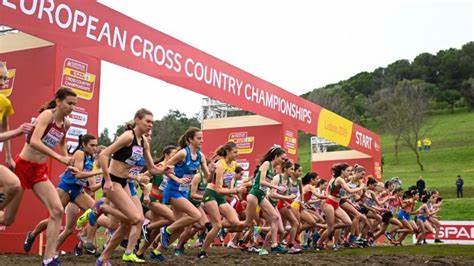
Running the World: A Guide to the Best Marathons Globally
For marathon enthusiasts, the allure of participating in some of the world’s most prestigious races is irresistible. From historic routes and stunning sceneries to the vibrant atmosphere and the sheer challenge, each marathon offers a unique experience. Here’s a look at some of the best marathons in the world that every runner should consider adding to their bucket list. 1. Boston Marathon, USA Date: Third Monday in April (Patriots’ Day)Highlight: Historic Significance and Prestige The Boston Marathon is the world’s oldest annual marathon, dating back to 1897. It’s one of the six World Marathon Majors, and qualifying for Boston is a dream for many runners. The course is renowned for its challenging hills, including the infamous Heartbreak Hill. The incredible support from spectators and the historic significance make this a must-run for any serious marathoner. 2. London Marathon, UK Date: AprilHighlight: Scenic Route and Enthusiastic Crowds The London Marathon is famous for its picturesque route that takes runners past iconic landmarks such as the Tower Bridge, the Houses of Parliament, and Buckingham Palace. The race is also known for its festive atmosphere, with thousands of spectators lining the streets to cheer on the participants. It’s a flat course, making it ideal for those aiming for a personal Best Marathons. 3. Berlin Marathon, Germany Date: Late SeptemberHighlight: Record-Breaking Course Berlin is often touted as the fastest marathon in the world. Many world records have been set on its flat, fast course, including Eliud Kipchoge’s current world record. The race attracts elite runners and amateurs alike, all aiming to take advantage of the perfect conditions to set their personal bests. The course winds through the heart of Berlin, offering a mix of modern and historic sights. 4. New York City Marathon, USA Date: First Sunday in NovemberHighlight: Iconic Cityscape and Electric Atmosphere The New York City Marathon is the largest marathon in the world, with over 50,000 finishers each year. The route traverses all five boroughs of the city, starting in Staten Island and finishing in Central Park. The support from the diverse crowds is unmatched, and the energy of the city adds an electric vibe to the race. It’s a challenging course with several bridges, but the experience is unforgettable which makes one of the Best Marathons in the world. 5. Tokyo Marathon, Japan Date: Early MarchHighlight: Blend of Modernity and Tradition As the newest member of the World Marathon Majors, the Tokyo Marathon has quickly gained a reputation for its excellent organization and unique cultural experience. The course offers a mix of modern skyscrapers and historic temples, giving runners a tour of Tokyo’s vibrant and diverse landscape. The Japanese enthusiasm for marathons ensures a supportive crowd throughout the race. 6. Chicago Marathon, USA Date: Early OctoberHighlight: Flat Course and Stunning Skyline The Chicago Marathon is known for its flat and fast course, making it another great race for those aiming for a personal record. The course takes runners through 29 neighborhoods, showcasing the city’s architectural beauty and vibrant culture. The enthusiastic spectators and the city’s charm make it a favorite among marathoners. 7. Paris Marathon, France Date: Early AprilHighlight: Romantic and Historic Scenery Running the Paris Marathon is like taking a sightseeing tour of one of the most beautiful cities in the world. The route starts at the Champs-Élysées, passes by the Eiffel Tower, Notre-Dame Cathedral, and other iconic landmarks. The blend of the city’s romantic atmosphere and the challenging course make it a unique experience. 8. Athens Marathon, Greece Date: Early NovemberHighlight: Historical Roots and Challenging Terrain The Athens Marathon is often called “The Authentic Marathon” because it traces the legendary route of the first marathon run by Pheidippides in 490 BC. The course starts in the town of Marathon and finishes in the historic Panathenaic Stadium in Athens. The hilly terrain and the historical significance of the route make this marathon a must for any serious runner. Conclusion: Best Marathons Participating in any of these marathons is more than just a race; it’s an opportunity to experience the unique culture, history, and atmosphere of some of the world’s most iconic cities. Whether you’re aiming for a personal best or simply want to enjoy the journey, these marathons offer something special for every runner. So lace up your running shoes, start training, and get ready to embark on an unforgettable adventure around the globe.
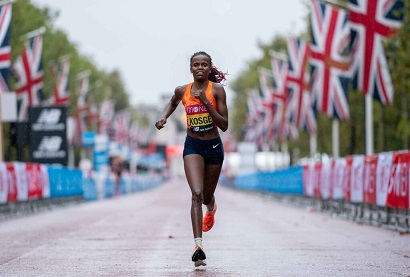
The Evolution of the Ladies Marathon World Record: A Testament to Determination and Excellence
The marathon has long been the ultimate test of endurance, perseverance, and sheer willpower. For women, the journey to breaking marathon world records is not just about athletic prowess but also about challenging societal norms and pushing the boundaries of what is considered possible. As we delve into the history and significance of the women’s marathon world record, we celebrate the incredible achievements that have redefined the sport. A Glimpse into the Past The history of marathons for women is relatively recent compared to their male counterparts. The first official women’s marathon was introduced at the Olympics in 1984, a landmark moment that came after years of advocacy and incremental progress in women’s sports. Joan Benoit Samuelson of the United States had the honor of winning the inaugural Olympic women’s marathon, setting a precedent for future generations. The Trailblazers Before the Olympics opened its doors to female marathoners, several women had already made their mark. Kathrine Switzer famously ran the Boston Marathon in 1967, despite women being officially barred from the race. Her participation and determination to finish highlighted the capabilities and resolve of women runners, paving the way for greater inclusion. In 1972, the Boston Marathon officially allowed women to compete, and the era of women marathoners began to flourish. Nina Kuscsik was the first official female winner, and her victory symbolized the breaking of barriers that had long held women back from competitive long-distance running. Breaking Records and Shattering Limits As the years progressed, female marathoners continued to push the boundaries of speed and endurance. The world record has been shattered multiple times, each new record reflecting the evolving standards of training, nutrition, and athletic performance. One of the most iconic names in women’s marathon history is Paula Radcliffe of Great Britain. On October 13, 2002, Radcliffe set a new world record at the Chicago Marathon with a time of 2:17:18. She broke her own record the following year at the London Marathon, finishing in an astonishing 2:15:25. This record stood for over 16 years, a testament to Radcliffe’s extraordinary talent and the ground breaking nature of her achievement. The Current Record Holder On October 13, 2019, the women’s marathon world record was redefined once again. Brigid Kosgei of Kenya stunned the world by completing the Chicago Marathon in a remarkable 2:14:04, surpassing Radcliffe’s long-standing record by over a minute. Kosgei’s achievement not only set a new benchmark for female marathoners but also demonstrated the continual evolution of the sport. Kosgei’s record is more than just a number; it represents the relentless pursuit of excellence and the ever-rising standards of human potential. Her training, dedication, and mental fortitude exemplify what it takes to be the best in a field that demands everything from its athletes. The Future of Women’s Marathon Running The current landscape of women’s marathon running is incredibly promising. With advancements in sports science, training methodologies, and a greater understanding of the female athlete’s body, the potential for future records is immense. Young runners across the globe draw inspiration from the likes of Radcliffe and Kosgei, striving to make their own mark in the annals of marathon history. Moreover, the increasing visibility and support for women’s sports ensure that female marathoners receive the recognition and opportunities they deserve. As societal attitudes continue to shift towards greater gender equality, the stage is set for even more extraordinary performances in the years to come. Conclusion The journey of the ladies’ marathon world record is a narrative of breaking barriers, shattering expectations, and pushing the limits of human endurance. From the pioneering efforts of early trailblazers to the awe-inspiring achievements of contemporary athletes, each record is a milestone in the ongoing evolution of women’s marathon running. As we celebrate these incredible athletes, we also look forward to the future with anticipation and excitement, knowing that the next groundbreaking performance is always just around the corner. The ladies’ marathon world record is more than a statistic; it is a story of human spirit, determination, and the relentless pursuit of greatness.