


Marathon running is no longer just a test of endurance — the healing miles are fast becoming a transformative prescription for both physical and mental well-being. With more people lacing up their shoes to reclaim their health, marathons are proving to be more than races — they are journeys toward healing. From reducing the risk of chronic diseases to boosting emotional resilience, running long distances is emerging as an accessible form of lifestyle medicine for people of all ages and backgrounds. A Workout with Lasting Benefits: Physical Healing Miles Scientific studies continue to affirm what seasoned runners already know — training for and running a marathon can deeply enhance physical health. The long-term commitment to endurance running brings about remarkable physiological benefits: For individuals managing obesity, diabetes, or hypertension, incorporating marathon training — under medical supervision — can be life-changing. Mental Miles: Running Toward Emotional Resilience Beyond the physical, marathons are a profound tool for mental healing. The solitude of the long run, the rhythm of breath and stride, and the consistent routine provide a meditative space for reflection and emotional regulation. Runners report: For those grappling with depression, burnout, or trauma, marathon running becomes a moving form of therapy — a path where each mile helps release emotional weight. More Than a Solo Sport: The Power of Community in Healing One of the most uplifting aspects of marathon culture is the sense of community it fosters. Whether it’s joining a local running club or finding motivation through social media running groups, the training journey is rarely walked — or run — alone. This social engagement becomes especially meaningful for individuals recovering from physical ailments or emotional loss. You don’t just heal faster with people — you heal stronger. From Prescription Pads to Running Shoes: Doctors Are Onboard Increasingly, physicians and rehabilitation experts are advocating structured running programs as part of holistic health plans. Under guided supervision, patients recovering from: are finding new strength and purpose through long-distance running. Many wellness centers and therapy groups are now hosting “healing marathons” — events that integrate fitness, counseling, and community engagement. These aren’t competitive races but rather symbolic journeys of resilience and recovery. Lace Up for a Healthier Life So, if you’ve ever considered running a marathon — don’t just do it for the medal.Do it for the healing miles that will transform not only your body but also your heart and mind.Each mile is a quiet act of resilience, a step away from the old, and a leap toward a better version of yourself. Remember, healing doesn’t always happen in hospitals — sometimes, it starts on the road.
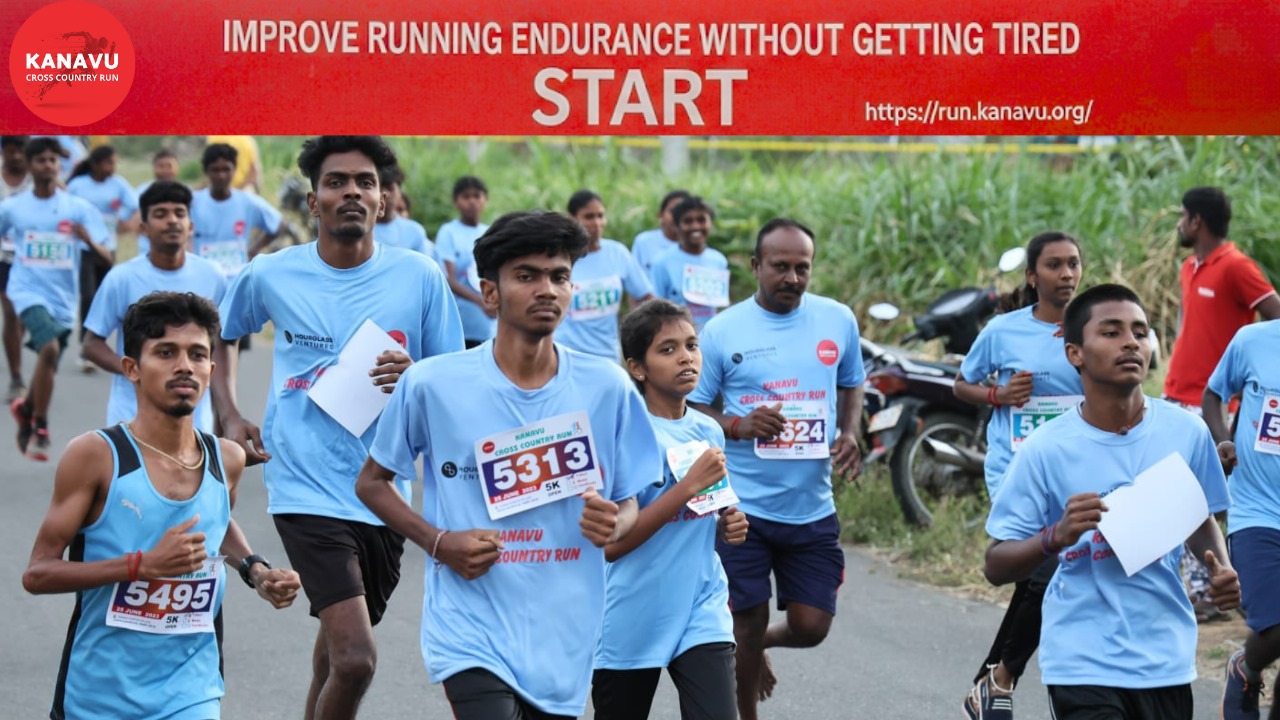
How to Improve Running Endurance Without Getting Tired
Running is one of the most powerful and accessible forms of exercise, but many runners—especially beginners—often hit a wall too soon. Strategically increasing running endurance is the key to being stronger and moving farther without getting tired. Whether you’re training for a marathon or simply looking to extend your daily jog, there are proven techniques that can help you boost your stamina while minimizing fatigue. In this article, we’ll explore practical and science-backed methods to improve your running endurance without burning out, so you can run longer, recover faster, and enjoy the process. 1. Start with a Solid Base Improving endurance begins with consistency. Build a strong aerobic base by running at a slow, conversational pace for 20–40 minutes, three to four times a week. This steady-state cardio trains your heart, lungs, and muscles to work more efficiently, laying the foundation for longer and more intense runs. Avoid the mistake of increasing your mileage too quickly. Follow the 10% rule: increase your weekly running volume by no more than 10% to reduce the risk of injury or fatigue. 2. Focus on Proper Breathing Efficient breathing plays a critical role in endurance. Learn to breathe deeply from your diaphragm rather than shallow chest breathing. The “in for three steps, out for two” rhythm is a popular pattern among distance runners. As you improve your breathing technique, your body gets more oxygen, reducing muscle fatigue and increasing endurance. Also, practice breathing through both your nose and mouth when running, especially during high-effort segments. This helps you take in maximum oxygen and improves overall stamina. 3. Incorporate Long Runs Weekly Include a weekly long run in your schedule after you’ve established your base.This should be 20–40% longer than your average daily run. Long runs gradually condition your muscles and cardiovascular system to handle extended efforts, improving running endurance over time. Keep your long runs slow and steady—this isn’t about speed. Focus on time on your feet rather than pace, and be patient with your progress. 4. Add Interval and Tempo Workouts To run longer without feeling drained, mix in workouts that build stamina and strength. Interval training, which involves short bursts of intense effort followed by rest, boosts your VO2 max—your body’s ability to use oxygen during exercise. Conversely, tempo runs, which are performed at a “comfortably hard” pace, aid in raising lactate threshold. This allows you to maintain a higher speed for extended periods of time without experiencing fatigue. Include one session of intervals and one session of tempo running each week for optimal gains in endurance and speed. 5. Strength Training is Essential A strong body lessens fatigue and promotes improved running form. To strengthen your legs and core, concentrate on compound exercises like squats, lunges, and deadlifts. A strong core helps you avoid premature weariness and maintains an upright posture throughout long runs. Aim for strength training 2–3 times a week, especially on non-running days, to give your muscles time to recover while still building strength. 6. Prioritize Recovery and Nutrition Improving running endurance isn’t just about the miles you log—it’s about how well you recover. Sleep is essential; try to get 7 to 8 hours per night. Post-run nutrition is also key: refuel with a mix of carbohydrates and protein within 30–60 minutes of finishing your run. Stay hydrated throughout the day, and consider electrolyte supplements for longer sessions, especially in hot weather. Proper hydration and fueling will help reduce fatigue during and after your workouts. 7. Listen to Your Body Perhaps the most important endurance strategy is learning to respect your limits. It’s normal to feel less energetic on some days. Skipping or modifying a run to allow for recovery can prevent overtraining and injuries in the long term. Use a running journal or app to track your progress, but don’t get too caught up in numbers. Endurance is built over months, not days. Final Thoughts Improving running endurance without getting tired is about combining smart training, proper technique, and effective recovery. With consistent effort and a well-rounded approach, you’ll soon find yourself running farther and feeling stronger than ever before. Keep pushing, stay patient, and let your endurance build the right way.

Top Indian Ingredients to Boost Running Performance
When it comes to running, most people focus on training routines, footwear, and rest—but often overlook one of the most powerful performance enhancers: food. In a country like India, where ancient wisdom and local produce go hand in hand, there are plenty of time-tested, nutrient-rich ingredients to boost running performance. Whether you’re a first-time 5K participant or training for a half marathon, the right food choices can make a noticeable difference in your endurance, speed, and recovery. In this blog, we’ll explore some of the best Indian ingredients that serve as natural enhancers for runners, offering sustainable energy and faster recovery without relying on synthetic supplements. These ingredients to boost running not only support physical performance but also contribute to long-term health. 1. Ragi (Finger Millet) Rich in calcium, iron, and complex carbs, ragi is a mainstay in South Indian homes.It provides long-lasting energy, supports bone health, and improves hemoglobin levels—essential for oxygen transport in long-distance runs. Ragi porridge or dosas made with ragi flour make for excellent pre-run meals. 2. Moringa (Drumstick Leaves) Often underestimated, moringa is a powerhouse of nutrients including iron, calcium, potassium, and antioxidants. Regular consumption of moringa leaves helps boost stamina and immunity, while also reducing post-run inflammation. Add it to dal, chutneys, or even green smoothies to unlock its benefits. 3. Bananas One of the most accessible and runner-friendly fruits in India, bananas are rich in potassium, magnesium, and natural sugars. They provide an immediate energy boost, avoid muscle cramps, and aid in maintaining electrolyte balance. Ideal as a pre-run or mid-run snack. 4. Chia Seeds Though not native to India, chia seeds have found a strong presence in Indian diets recently. They are rich in omega-3 fatty acids, fiber, and protein.When soaked in water, chia seeds form a gel-like substance that helps retain hydration and extend endurance. Add them to smoothies, curd, or lemon water for a performance-friendly boost. 5. Jaggery Iron, magnesium, and other elements are abundant in jaggery, an unrefined sugar. It helps replenish lost electrolytes and increases hemoglobin, which is vital for oxygen supply during long runs. Jaggery provides long-lasting energy without the crash of pure sugar. 6. Sprouted Moong In addition to being high in protein, fiber, and antioxidants, sprouted moong beans are easy on the stomach. They assist in muscle repair and energy production, making them an ideal post-run recovery meal. Add lemon and chopped vegetables to make a refreshing salad packed with nutrients. 7. Ghee Ghee is an excellent source of healthy fats when used in moderation. It enhances nutrient absorption, lubricates joints, and provides a dense source of energy. Adding a teaspoon of ghee to your meals, especially during intense training weeks, can support both stamina and recovery. 8. Coconut Water Natural and easily available, coconut water is one of the best hydration sources. Rich in potassium, sodium, and natural sugars, it quickly replenishes lost electrolytes. It’s a smart alternative to commercial sports drinks, especially during summer runs. 9. Dates Dates are rich in fiber, iron, and natural sugars. They serve as a quick energy booster and help maintain glucose levels during long runs. Soak them overnight or combine with nuts for a powerful energy bar. 10. Turmeric Known for its anti-inflammatory and healing properties, turmeric is a go-to ingredient for runners experiencing joint or muscle pain. Curcumin, the active compound in turmeric, supports faster recovery and reduces post-run fatigue. Add it to warm milk or use it in curries for daily benefits. Why These Indian Ingredients Matter Incorporating these ingredients to boost running into your daily meals can create a solid foundation for both training and recovery. Unlike expensive supplements, these natural foods are affordable, accessible, and backed by centuries of traditional Indian health practices. What sets these ingredients apart is their ability to provide long-lasting energy, fight inflammation, enhance oxygen flow, and support muscle health—all of which are critical for runners. They don’t just serve athletic performance; they also promote overall wellness, making them a holistic addition to any runner’s lifestyle. Final Thoughts Running is not just about moving your legs—it’s about powering your body the right way. By choosing the right Indian ingredients, you can run longer, recover faster, and reduce the risk of injuries. Start by adding one or two of these powerful foods to your weekly routine and notice the change in your stamina and energy levels. Remember, true performance doesn’t come from expensive energy drinks or synthetic powders.Let these Indian superfoods be your fuel in the journey ahead.

Running Injury Prevention: The Science Behind Safer Strides
Running is celebrated for its simplicity and accessibility. A pair of sneakers and a little drive are all you need.But beneath the surface of each stride lies a complex system of biomechanics, muscle coordination, and repetitive impact. For new runners and seasoned athletes alike, understanding the science of movement is essential to stay injury-free and consistent. That’s where the focus on running injury prevention becomes not just helpful, but crucial. Why Do Runners Get Injured? Despite its low barrier to entry, running ranks among the highest in injury rates across sports. Shin splints, plantar fasciitis, runner’s knee, and Achilles tendinopathy are just a few common issues. Poor training choices, muscular imbalances, incorrect technique, or a lack of rehabilitation are frequently the causes of these ailments. Many runners, especially those training for long-distance events, tend to overlook the stress running places on joints, tendons, and connective tissue. Each foot strike can generate a force equivalent to two to three times your body weight. Over time, this repetitive stress can lead to wear and breakdown without proper countermeasures in place. The Role of Biomechanics in Injury Prevention The mechanical principles governing the motion or composition of living things are known as biomechanics. In running, this includes your gait, stride length, foot strike, cadence, and posture. Small adjustments in any of these areas can dramatically influence your risk of injury. For example, overstriding (landing with your foot far ahead of your body) increases the braking forces on joints and can lead to knee or hip pain. A midfoot strike combined with a slightly forward lean and increased cadence (steps per minute) is typically considered more efficient and lower-impact. Professional gait analysis—available at many sports clinics or advanced shoe stores—can help identify inefficiencies in your stride and suggest corrective action. Investing time in understanding your biomechanics is a major step toward sustainable training and running injury prevention. Strength, Flexibility, and Stability Running efficiently doesn’t just involve the legs. It’s a full-body activity requiring core strength, joint stability, and muscular balance. Weaknesses in the glutes, hips, or core can cause compensations in form, leading to unnecessary strain on specific areas like the knees or shins. Incorporating strength training two to three times a weeek can enhance muscle resilience and improve joint stability. Exercises such as squats, lunges, planks, and deadlifts target major running muscles and support injury resistance. Flexibility and mobility are also key. Reduced range of motion from tight calf or hip flexor muscles causes other muscles to overcompensate. Dynamic warm-ups before a run and static stretching after are essential routines that support safer movement patterns. Recovery: The Often-Ignored Factor Rest and recovery are frequently underestimated, especially by beginners motivated to build endurance quickly. However, without adequate recovery, the micro-damage caused during runs can evolve into chronic issues. Rest days, proper sleep, hydration, and nutrition play a significant role in maintaining muscle and joint health. Techniques such as foam rolling, massage therapy, and low-impact cross-training like swimming or cycling can further support recovery while keeping fitness levels high. The Impact of Footwear Wearing the right shoes is not just about comfort—it’s about protecting your body from the ground-up impact. Biomechanical defects can be exacerbated by shoes that don’t provide enough support, cushioning, or alignment correction. It’s recommended to replace running shoes every 500–800 kilometers and to select footwear that matches your foot type and running style. Visiting a store that offers professional shoe fitting based on gait analysis can ensure optimal support. Mindful Training for Long-Term Success Consistent, injury-free running is the result of intentional planning. Gradually increasing mileage, listening to early signs of discomfort, incorporating cross-training, and staying mentally present during each run are part of a long-term, sustainable strategy. Most importantly, treat injury prevention not as an afterthought, but as an integrated part of your training philosophy. With science-backed habits and informed adjustments, you can run stronger, longer, and with confidence.

Passion for Running: Easy Ways to Reignite Your Drive
Every runner faces a time when their energy dips and the joy they once felt starts to fade. Whether you’re a beginner or a marathoner, it’s common to lose the spark. Life gets in the way, routines become stale, and your motivation hits a wall. But the passion for running doesn’t disappear—it just needs a little help to resurface. With a few thoughtful changes, you can reconnect with your love for the run and find your rhythm again. 1. Reflect on Your Running Journey Start by taking a moment to think about how running became part of your life. What drew you to it? Was it the mental clarity, the physical challenge, or the quiet time alone? Reconnecting with the original reasons you laced up your shoes can be surprisingly powerful. Re-read old training logs, scroll through finish-line photos, or simply remember the peace of a good solo jog. This kind of reflection helps you reset your mindset and reignite your inner drive. 2. Refresh Your Routes and Routines Running the same path every day can feel like being stuck on a treadmill. To shake things up, explore a new neighborhood, find a local trail, or jog in the opposite direction. Adding variety to your routes introduces novelty and helps break the cycle of boredom. If your body craves something different, add short sprint intervals, gentle trail runs, or early-morning sunrise jogs to your schedule. 3. Focus on the Feeling, Not the Finish Time Sometimes we get caught up chasing numbers—pace, distance, calories burned—and forget why we run at all. Shift your focus from performance to experience. What do you hear, see, or smell as you move? This mindfulness can help you enjoy running for what it is, rather than just what it produces. 4. Rebuild with Small, Personal Goals Jumping straight into a big goal—like a half marathon—might feel more discouraging than inspiring. Instead, create small and realistic targets. Try “Run three times this week” or “Enjoy a 20-minute jog without looking at the clock.” Meeting these manageable goals builds confidence, which gradually brings back your enthusiasm. This approach also keeps you consistent without overwhelming pressure. 5. Rediscover the Passion for Running Through Community Sometimes, motivation isn’t missing—it’s just waiting to be shared. Running alone has its benefits, but joining a group, local club, or even an online challenge can introduce new energy. Encouragement from others, shared struggles, and community spirit can help restore your passion for running. It’s amazing how different a run feels when someone’s cheering you on—even virtually. 6. Make Running Joyful Again Music, podcasts, or audiobooks can inject excitement back into your routine. So can trying a “run-to-destination” workout—like running to the market, to work, or to meet a friend. Sometimes, even changing the time of day can shift your mood: try a quiet dawn run or a stress-relieving jog after work. When running becomes enjoyable again, motivation naturally follows. 7. Embrace Rest as Part of the Process Take time off to think, heal, and prepare for your return. If you’ve been pushing hard for a long time, your body might simply need a break. Fatigue often disguises itself as laziness. Taking time off doesn’t mean you’re giving up; it means you’re giving your body what it needs. Resetting your perspective often only requires a little pause. Final Thoughts Losing motivation is part of every runner’s journey—but it’s not the end. Your initial enthusiasm remains, just waiting for you to rediscover it.By shifting your mindset, creating variety, connecting with others, and listening to your body, you can breathe life back into your running practice. Remember, it’s not about how far or fast you go—it’s about finding joy in the journey. Let your passion for running guide the way forward.

Step by Step: Building a Marathon Training Plan That Works
Ready to Go the Distance? Every marathoner, from the wide-eyed beginner to the seasoned racer, starts with one thing in common: a plan. But not just any plan—one that fits your lifestyle, matches your goals, and builds your strength and confidence mile by mile. A marathon is more than a race. A well-thought-out training regimen can be the difference between a good finish or a bonkers attempt at the race. It’s an endurance, discipline, and mental toughness test. In this guide, we break down the key components of a smart, sustainable marathon training plan that actually works—no gimmicks, no fluff, just real, proven steps. 1. Set a Realistic Goal Before lacing up your shoes, define your “why.” Are you running to complete your first marathon? Hoping to improve your time? Raising money for a cause? Your goal will shape your training plan’s intensity, duration, and focus. Choose a goal that aligns with your current fitness level. Your first goal should be finishing the race if you’re new to long-distance running. If you’re returning to the marathon scene, you might push for a personal best. Tell the truth about your starting point and work your way up from there. 2. Give Yourself Enough Time One of the biggest mistakes runners make is underestimating the time required to train properly. A solid marathon training plan typically spans 16 to 20 weeks, depending on your experience and current conditioning. Rushing the process increases your risk of injury and burnout. Think of training as a gradual progression—each week builds on the last. Give your body the time it needs to adapt, recover, and grow stronger. 3. Follow the 3 Key Run Types Your weekly schedule should include a balance of: Rest and recovery days are just as important. Your muscles rebuild and grow stronger when you rest—not while you run. 4. Strength Training and Cross-Training Don’t neglect your body’s foundation. Strength training helps prevent injury and improves running efficiency. Aim for two sessions per week focusing on core, hips, glutes, and legs. While maintaining cardiovascular fitness, cross-training—cycling, swimming, rowing, or even fast walking—provides a respite for your running muscles. Use cross-training on easy days or when recovering from tough runs. 5. Listen to Your Body No plan should be rigid. Flexibility is a crucial trait for any successful marathoner. Life happens. Sickness, injury, or unexpected work stress can derail even the best-laid plans. If you miss a run, don’t double up. Adjust, move forward, and avoid the temptation to overcompensate. Pain is different from soreness. Recognize when it’s okay to push and when your body needs to relax. Injury prevention starts with awareness. 6. Prioritize Nutrition and Hydration Your body is your engine—fuel it wisely. Your dietary needs will grow as your mileage does.Focus on whole foods rich in carbohydrates, protein, and healthy fats. Don’t skimp on hydration—especially before and after long runs. Practice your race-day nutrition strategy during your training. Try different gels, drinks, or snacks so there are no surprises on race day. 7. Taper Smartly In the final 2–3 weeks before the marathon, you’ll begin to taper—reducing mileage while maintaining intensity. Your body can recuperate and save energy for race day as a result.Many runners feel anxious during the taper, but trust the process. Your body is preparing to peak. 8. Simulate Race Conditions Practice your long runs at the same time your marathon starts. Wear the gear you plan to race in. Test your nutrition and hydration strategies. The more you can replicate race conditions in training, the fewer surprises you’ll face on race day. Final Thoughts Marathon training isn’t just about logging miles—it’s about commitment, smart planning, and showing up for yourself day after day. A great training plan is your blueprint, but your consistency is the foundation. Stick to your plan, trust the process, and remember: every step you take brings you closer to that finish line. And when you finally cross it, you’ll know it wasn’t luck or chance. It was earned—step by step.

Hydration Hacks: Staying Energized During Long Runs
Why Hydration Matters More Than You Think When runners focus on endurance, they often prioritize pace, distance, and fueling—but hydration is the silent game-changer. Performance can be considerably impacted by even a slight decrease in water levels. These hydration hacks ensure you stay properly hydrated—which can mean the difference between powering through mile 14 and cramping at mile 10. Water is only one aspect of hydration; other factors include electrolytes, time, and strategy. Don’t Wait Until You’re Thirsty — It’s Already Too Late Your body’s thirst signals are delayed, meaning by the time you feel thirsty, you’re already behind on hydration. To stay ahead, sip small amounts of water 30 to 60 minutes before your run begins. During your run, aim to drink moderate amounts—around 4 to 8 ounces—every 20 minutes, adjusting for heat and sweat levels. Electrolytes: The Secret to Long-Run Success Sweat isn’t just water; it contains vital minerals like sodium, potassium, and magnesium. Losing these electrolytes without replacement can lead to cramps, dizziness, and an early race day crash. Incorporate electrolyte supplements into your hydration plan—options like Nuun, Skratch, or Tailwind dissolve easily and help replenish what you lose. On hotter days or if you sweat heavily, increase your sodium intake; on cooler days, moderate it accordingly. Customize Your Hydration Strategy Your body size, pace, weather, and perspiration rate all have an impact on how much water you require. Before and after an hour-long run, weigh yourself to do a basic sweat test. You should replace around 16 ounces of fluid for every pound loss. Every runner is different. Tailor your hydration plan based on this personal data rather than relying on generic advice. Use a Smart Carry System That Works for You Carrying fluids should never be a burden that makes you skip drinking. Whether it’s a hydration belt, a handheld bottle, or a hydration vest for longer runs, choose a system that fits your running style and comfort. A helpful tip: freeze your bottles overnight before hot runs. The cold fluid melts slowly, keeping you refreshed longer. Hydrate on Schedule, Not Just When You Feel Like It During long runs, especially those lasting 90 minutes or more, maintaining consistent hydration is key. Waiting until you’re thirsty or tired to drink means you’re already catching up on lost fluids.Set reminders or timers every 20 minutes to take a few sips. Think of training your gut to drink regularly as essential as training your legs to run. Combine Fluids with Fuel for Efficiency Many hydration products also provide carbohydrates and electrolytes in one convenient package. Drinks like Maurten Drink Mix, Tailwind, or GU Roctane offer this combination to simplify fueling during runs. Always test any new hydration-fuel combo during training to avoid surprises on race day

How to Deal with Pre-Race Nerves and Anxiety
Running a marathon or any race can be an exciting yet nerve-wracking experience, especially for first-time participants. It’s normal to feel anxious before race day, but managing those nerves is key to performing your best. Here are effective strategies on how to deal with pre-race nerves and anxiety so you can cross the finish line with confidence. Understanding Pre-Race Nerves and Anxiety It’s completely natural to feel nervous before a race. Pre-race anxiety is a common reaction to the unknowns of race day. The fear of not performing well, experiencing injury, or simply the anticipation of the event itself can all contribute to nervous feelings. However, managing these nerves is vital for not only your mental well-being but also your physical performance on race day. Why Does Pre-Race Anxiety Happen? Pre-race anxiety can stem from various factors such as fear of failure, fear of the unknown, or high expectations. These emotions are often compounded by the pressure of training for months or competing in a big event. Understanding why these feelings arise can help you address them effectively.Practical Ways to Calm Your Nerves 1. Visualization: Picture Success Visualization is a powerful technique that can help reduce pre-race anxiety. Spend a few minutes each day imagining yourself running through the race course, feeling strong and confident. Imagine crossing the finish line with a sense of achievement. By visualizing success, you’re training your brain to feel calm and focused on race day. 2. Positive Self-Talk: Reframe Your Thoughts Negative self-talk can intensify pre-race nerves and anxiety. Instead of focusing on what could go wrong, practice positive affirmations and remind yourself of your training and accomplishments. Reframe your thoughts by telling yourself, “I’ve trained hard for this,” or “I am ready to take on this challenge.” Positive self-talk helps shift your mindset from fear to confidence. 3. Focus on Your Breathing One of the quickest ways to calm nerves is by focusing on your breath. Deep breathing exercises can activate the body’s relaxation response and lower anxiety levels. Try inhaling for four, holding for four, then exhaling for four. This simple technique can help reduce the physiological symptoms of anxiety, such as a racing heart or shallow breathing. 4. Prepare Your Gear in Advance A common source of pre-race anxiety is the fear of forgetting important gear or being unprepared. The night before the race, lay out your clothes, shoes, bib, and any other race-day essentials. This simple act of preparation helps you feel organized and in control, reducing last-minute stress. Managing Race Day Nerves 1. Arrive Early Give yourself plenty of time to get to the race venue, so you’re not rushed. Arriving early allows you to get comfortable with your surroundings, use the bathroom, and mentally prepare. Rushing can heighten anxiety, so take your time to get settled before the race begins. 2. Accept the Nerves Rather than trying to eliminate your pre-race anxiety entirely, accept that it’s a natural part of the process. Acknowledge your feelings without judgment and use them as motivation to push yourself. Remember, nerves are a sign that you care about the race and your performance.SS Conclusion: Embrace the Nerves Dealing with pre-race nerves and anxiety is a crucial part of race preparation. By understanding your feelings, practicing relaxation techniques, and preparing mentally and physically, you can transform anxiety into a source of strength. Remember that feeling nervous before the race is entirely normal, but how you manage those nerves will make all the difference on race day. Embrace the anxiety, trust your training, and enjoy the experience!
How to Deal with Pre-Race Nerves and Anxiety
Running a marathon or any race can be an exciting yet nerve-wracking experience, especially for first-time participants. It’s normal to feel anxious before race day, but managing those nerves is key to performing your best. Here are effective strategies on how to deal with pre-race nerves and anxiety so you can cross the finish line with confidence. Understanding Pre-Race Nerves and Anxiety It’s completely natural to feel nervous before a race. Pre-race anxiety is a common reaction to the unknowns of race day. The fear of not performing well, experiencing injury, or simply the anticipation of the event itself can all contribute to nervous feelings. However, managing these nerves is vital for not only your mental well-being but also your physical performance on race day. Why Does Pre-Race Anxiety Happen? Pre-race anxiety can stem from various factors such as fear of failure, fear of the unknown, or high expectations. These emotions are often compounded by the pressure of training for months or competing in a big event. Understanding why these feelings arise can help you address them effectively.Practical Ways to Calm Your Nerves 1. Visualization: Picture Success Visualization is a powerful technique that can help reduce pre-race anxiety. Spend a few minutes each day imagining yourself running through the race course, feeling strong and confident. Imagine crossing the finish line with a sense of achievement. By visualizing success, you’re training your brain to feel calm and focused on race day. 2. Positive Self-Talk: Reframe Your Thoughts Negative self-talk can intensify pre-race nerves and anxiety. Instead of focusing on what could go wrong, practice positive affirmations and remind yourself of your training and accomplishments. Reframe your thoughts by telling yourself, “I’ve trained hard for this,” or “I am ready to take on this challenge.” Positive self-talk helps shift your mindset from fear to confidence. 3. Focus on Your Breathing One of the quickest ways to calm nerves is by focusing on your breath. Deep breathing exercises can activate the body’s relaxation response and lower anxiety levels. Try inhaling for four, holding for four, then exhaling for four. This simple technique can help reduce the physiological symptoms of anxiety, such as a racing heart or shallow breathing. 4. Prepare Your Gear in Advance A common source of pre-race anxiety is the fear of forgetting important gear or being unprepared. The night before the race, lay out your clothes, shoes, bib, and any other race-day essentials. This simple act of preparation helps you feel organized and in control, reducing last-minute stress. Managing Race Day Nerves 1. Arrive Early Give yourself plenty of time to get to the race venue, so you’re not rushed. Arriving early allows you to get comfortable with your surroundings, use the bathroom, and mentally prepare. Rushing can heighten anxiety, so take your time to get settled before the race begins. 2. Accept the Nerves Rather than trying to eliminate your pre-race anxiety entirely, accept that it’s a natural part of the process. Acknowledge your feelings without judgment and use them as motivation to push yourself. Remember, nerves are a sign that you care about the race and your performance.SS Conclusion: Embrace the Nerves Dealing with pre-race nerves and anxiety is a crucial part of race preparation. By understanding your feelings, practicing relaxation techniques, and preparing mentally and physically, you can transform anxiety into a source of strength. Remember that feeling nervous before the race is entirely normal, but how you manage those nerves will make all the difference on race day. Embrace the anxiety, trust your training, and enjoy the experience!

The Magic of Marathon Medals: Why They Mean So Much More Than You Think
Marathon medals are often seen as mere trinkets given to participants at the end of a race. However, for runners, these medals symbolize far more than just the completion of a race. They hold stories of perseverance, sacrifice, and personal triumph. In this blog, we’ll explore why marathon medals are much more than just shiny awards and why they carry deep emotional and motivational significance for runners. The Symbol of Hard Work and Dedication Emotional value of medals For many runners, receiving a marathon medal is the physical manifestation of all the effort they’ve put into their journey. It’s a reminder that they’ve gone above and beyond, achieving something that only a small percentage of people in the world have accomplished. A Milestone of Personal Achievement Completing a marathon is a major milestone in any runner’s life. Whether it’s a runner’s first race or their fiftieth, a marathon medal marks the completion of a long, challenging journey. For many runners, it’s a lifelong dream finally realized. These medals are often displayed with pride in homes, offices, or race-day collections, each representing a unique achievement. Each marathon medal tells a story of perseverance and determination, making them valuable keepsakes that commemorate a runner’s personal growth and accomplishments. The Motivation to Keep Going Marathon medals serve as powerful motivational tools for runners. When a runner hits a wall during training or faces doubt in the weeks leading up to a race, their marathon medals often serve as a reminder of their previous successes. The sight of these medals can reignite the motivation to continue training and prepare for the next race. For runners working toward a specific goal, such as improving their time or completing a series of marathons, each medal fuels the desire to push harder, run further, and achieve even more. Marathon medals are not just a symbol of past success—they serve as a constant reminder that with perseverance, the next race is always within reach. The Emotional Connection: More Than Just a Medal A marathon medal often carries sentimental value far beyond its design or material worth. For many runners, the medal represents more than the race itself—it symbolizes personal growth, overcoming adversity, and the triumph of mind over body. The journey to marathon completion may have included moments of self-doubt, injuries, or struggles, making the medal a powerful token of strength and resilience. Additionally, marathon medals may hold significance tied to specific moments in a runner’s life. Whether it was their first marathon, a race run in honor of a loved one, or a race that helped them heal from a difficult time, the medal represents a deeply emotional connection to the runner’s journey. Unique and Customizable Designs Marathon medals also hold value due to their uniqueness and the creativity that goes into designing them. Each marathon race typically has its own distinct medal design, often inspired by the location, history, or theme of the event. Some medals feature intricate details, while others reflect the spirit of the race itself. Many marathons offer customizable medals or special editions for runners who reach specific milestones or complete a series of races. This customization adds another layer of meaning to the medal, making it an even more personal and cherished reminder of a runner’s achievements. Building a Collection: The Marathon Medal Tradition For avid marathoners, collecting medals from every race they’ve completed has become a beloved tradition. Some runners seek out unique and challenging marathons around the world, adding to their collection of medals year after year. This collection becomes a visual representation of their journey as a marathon runner, and each medal tells a unique story. In a way, marathon medals become a part of a runner’s identity. As they accumulate more medals, they celebrate their growth, resilience, and commitment to the sport. Conclusion: The Power of Marathon Medals Marathon medals may appear to be simple awards at first glance, but they hold far more significance than many realize. These medals are not just a reflection of the race, but a symbol of the runner’s determination, passion, and perseverance. They serve as motivational reminders to continue striving for greatness and as emotional keepsakes that capture the unique journey of every marathon runner. So, the next time you cross the finish line and receive your marathon medal, take a moment to appreciate its meaning. It represents more than just the race—it’s a celebration of everything you’ve accomplished and everything you’ll continue to achieve. Remember: Marathon medals are much more than just a shiny reward—they are a testament to the strength and resilience of every runner who earns one.