

Running your first marathon is an exciting yet challenging milestone. Whether you’re new to running or transitioning to long-distance, proper preparation is key to success. Below are 10 essential tips designed specifically for first-time marathon runners to help you cross the finish line with confidence. 1. Start with a Beginner Marathon Training Plan A well-structured training plan is the foundation of marathon success. For marathon training for beginners, choose a plan that spans 12 to 20 weeks, depending on your fitness level. Gradually increase your weekly mileage, focusing on long runs to build endurance. Include rest days to avoid burnout and ensure proper recovery. 2. Focus on Endurance Training One of the most important first marathon tips is to prioritize endurance training. Long runs are essential in preparing your body to handle the 26.2 miles. Gradually increase the distance of your long runs each week, aiming to complete at least one 20-mile run before race day. Incorporate cross-training activities like cycling or swimming to improve stamina without overloading your joints. 3. Follow Marathon Nutrition Tips Fueling your body correctly during training and on race day is crucial. Consume a balanced diet rich in carbohydrates, proteins, and healthy fats to maintain energy levels. Carbohydrates should be your primary source of energy during long runs. Practice your race-day nutrition by experimenting with energy gels, bars, or drinks to see what works best for you. 4. Invest in the Right Running Gear Comfortable and functional running gear is essential for long-distance running. Invest in a good pair of running shoes designed for long-distance runs, ideally chosen based on a gait analysis. Opt for moisture-wicking clothing to stay dry and reduce the risk of chafing during your long runs. Test all your gear during training to ensure you’re comfortable on race day. 5. Practice How to Pace Yourself Knowing how to pace yourself in a marathon is crucial for conserving energy and avoiding burnout. Many first-time runners start too fast and struggle in the latter stages of the race. Use your long training runs to practice pacing. Aiming for a steady, manageable pace will help you finish strong. 6. Incorporate Mental Preparation into Your Training Mental preparation for marathon running is just as important as physical training. Visualize yourself crossing the finish line and break the race into smaller, more manageable sections in your mind. Use positive self-talk to stay motivated during challenging moments in the race. 7. Preventing Injuries During Marathon Training Injury prevention is crucial during marathon training. Incorporate strength training and stretching exercises to enhance muscle stability and flexibility. Listen to your body, and if you experience any pain or discomfort, take time off to rest. Overtraining can lead to serious injuries that could jeopardize your marathon goals. 8. Get Adequate Rest and Recovery Recovery is just as important as training. Include rest days in your plan to allow your muscles to repair and grow stronger. After long runs, focus on post-run recovery strategies like foam rolling, stretching, and staying hydrated. Proper rest will help prevent fatigue and overuse injuries. 9. Study the Marathon Preparation Guide Research the race course, weather conditions, and any logistical details related to race day. A good marathon preparation guide will help you plan your hydration, nutrition, and pacing strategy. Familiarizing yourself with the route will also give you an advantage on race day. 10. Stay Consistent but Be Flexible Consistency is key to marathon training, but it’s equally important to be flexible. Life can sometimes get in the way, and missing a run or two won’t ruin your chances. Stick to your plan as much as possible, but adjust as needed to avoid stress or injury. Conclusion Running your first marathon is an incredible achievement. By following these 10 essential tips, from building endurance and practicing proper nutrition to mental preparation and post-run recovery, you’ll be well on your way to completing your marathon successfully. Remember, it’s a journey—trust your training, listen to your body, and enjoy the experience.

The Benefits of Children’s Marathons: Building Health and Confidence Early
Introduction Children’s marathons are gaining popularity as fun and effective way to encourage physical activity among kids. These events offer more than just a chance to run—they foster fitness, confidence, and a love for healthy living. In this blog, we will explore the advantages of children’s marathons, tips for preparing, and why it’s important for their development. Why should participate in a Children’s Marathon? 1. Promotes Physical Fitness Children’s marathons are a fantastic way to encourage kids to stay active. Running builds cardiovascular endurance, strengthens muscles, and improves coordination. At a young age, developing these physical abilities can set the foundation for lifelong health. 2. Boosts Confidence and Self-Esteem Crossing the finish line of a marathon, no matter the distance, gives kids a great sense of accomplishment. This boost in self-esteem can have lasted effects, encouraging them to take on new challenges with confidence. 3. Teaches Discipline and a Goal Setting Training for a marathon requires dedication, practice, and perseverance. These qualities help kids understand the importance of setting and working towards goals. This lesson extends beyond the race and can positively impact their academic and personal lives. How to Prepare Your Child for Marathons? 1. Start Slow and Build Endurance Begin with short distances and gradually increase the length of your child’s runs. This ensures they build endurance over time without becoming discouraged or exhausted. 2. Make Training Fun Incorporate games or fun challenges into their training sessions. Keep the focus on enjoying the experience rather than solely on performance. 3. Encourage a Healthy Diet Proper nutrition is key to fueling your child’s body for running. Encourage balanced meals, with plenty of fruits, vegetables, and hydration to keep them energized. The Importance of Fun Over Competition While it’s natural for kids to want to win, the focus of children’s marathons should be on participation and enjoyment. Praise effort rather than speed, and remind them that finishing the race is a victory in itself. Conclusion Children’s marathons are a wonderful way to promote fitness, self-confidence, and goal-setting in young minds. With the right preparation and mindset, these events can have a positive and lasting impact on your child’s health and personal growth.

A comprehenSIVE guide to after marathon Recovery
Crossing the finish line of a marathon is an incredible achievement, but the journey doesn’t end there. Proper Marathon recovery is crucial to ensuring your body heals and you bounce back stronger for future runs. Here’s a step-by-step guide to help you recover effectively after running a marathon. 1. Cool Down and Stretch Immediately after the race, it’s important to keep moving for a few minutes to allow your heart rate to gradually return to normal. A slow walk followed by gentle stretching can help prevent stiffness and reduce muscle soreness. Focus on stretching your hamstrings, quads, calves, and hip flexors, as these muscles endure the most stress during a marathon. 2. Rehydrate and Refuel Your body loses a significant amount of fluids and electrolytes during a marathon, so rehydration is key. Start drinking water or a sports drink as soon as possible after finishing the race. Within 30 minutes, aim to consume a snack rich in carbohydrates and protein to replenish glycogen stores and aid muscle repair. Bananas, protein bars, or a smoothie are great options. 3. Rest and Sleep Rest is one of the most important aspects of recovery. Allow your body to heal by getting plenty of sleep in the days following the marathon. Aim for at least 8 hours of sleep per night, and consider taking short naps during the day if you feel fatigued. Your muscles repair and grow stronger during rest, so don’t underestimate the power of quality sleep. 4. Ice Baths and Compression Therapy To reduce inflammation and muscle soreness, consider taking an ice bath or applying ice packs to sore areas within the first 24 hours after the marathon. Compression garments, like socks or tights, can also help by improving blood circulation and reducing swelling. 5. Active Recovery While rest is essential, it’s also important to engage in light, active recovery to promote blood flow and reduce stiffness. Gentle activities like walking, swimming, or cycling at a low intensity can help flush out toxins from your muscles and speed up the recovery process. Avoid intense workouts for at least a week post-marathon. 6. Massage and Foam Rolling A professional massage a few days after the marathon can help relieve muscle tension and promote relaxation. If a massage isn’t an option, using a foam roller can achieve similar benefits by targeting tight muscles and improving circulation. Focus on rolling out your calves, quads, hamstrings, and lower back. 7. Listen to Your Body Every runner’s recovery time is different, so it’s important to listen to your body and avoid pushing yourself too hard too soon. If you’re still experiencing pain or extreme fatigue after a week, consider consulting a healthcare professional. It’s better to take additional time to recover fully than to risk injury by returning to training prematurely. 8. Gradual Return to Running When you’re ready to start running again, ease back into your routine gradually. Begin with short, easy runs and gradually increase your mileage and intensity over the following weeks. Your body needs time to adapt, so be patient and focus on building back up to your pre-marathon fitness level. 9. Nutrition for Recovery In the weeks following your marathon, continue to focus on a balanced diet rich in lean proteins, healthy fats, and complex carbohydrates. Incorporating anti-inflammatory foods like berries, leafy greens, and fatty fish can help reduce muscle soreness and support overall recovery. 10. Mental Recovery Don’t forget about the mental aspect of recovery. Completing a marathon can be emotionally draining, so take time to reflect on your accomplishment and set new goals. Whether it’s another race, a personal record, or simply enjoying running for the sake of it, having a new focus can keep you motivated and positive. Conclusion Recovering after a marathon is just as important as the training that led up to it. By following these steps, you’ll give your body the care it needs to heal, rejuvenate, and prepare for your next challenge. Remember, recovery is a marathon in itself, so be patient, listen to your body, and celebrate the journey as much as the destination.
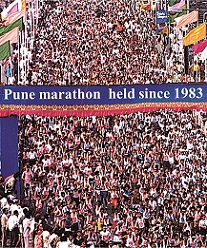
The Pune International Marathon – a phenomena since 1983
The Pune International Marathon, one of India’s oldest and most prestigious marathons, is more than just a race; it’s a celebration of endurance, community spirit, and athletic excellence. Held annually in the vibrant city of Pune, this marathon has grown over the decades to become a landmark event in the Indian sporting calendar, attracting participants from across the globe. A Brief History The Pune International Marathon was first organized in 1983 by the Pune International Marathon Trust (PIMT) with a vision to promote long-distance running in India. Over the years, it has evolved into a premier event that not only fosters a love for running but also serves as a platform for budding athletes to showcase their talent on an international stage. The marathon has the distinction of being the first marathon in India to receive the ‘AIMS Certification’ from the Association of International Marathons and Distance Races (AIMS). Race Categories and Course Details The marathon features multiple race categories, catering to runners of all ages and skill levels. The main event is the full marathon, covering a distance of 42.195 kilometers, which challenges even the most seasoned runners. There is also a half marathon, 10K run, and various shorter races including events specifically designed for veterans, differently-abled athletes, and young runners. This inclusivity makes the Pune International Marathon a truly community-oriented event. The race course winds through some of Pune’s most iconic landmarks, offering participants a unique experience of the city’s rich cultural heritage. Runners pass through the historic areas of Shaniwar Wada, Dagdusheth Halwai Ganpati Temple, and the scenic banks of the Mula-Mutha River, providing a visual treat along with the physical challenge. Community Impact and Social Causes One of the distinguishing features of the Pune International Marathon is its commitment to social causes. Each year, the marathon partners with various NGOs and social organizations to raise awareness and funds for important issues such as health, education, and environmental conservation. The marathon has been instrumental in mobilizing support for causes like HIV/AIDS awareness, cancer research, and the empowerment of underprivileged communities. The event also brings together the local community, with thousands of Pune’s residents lining the streets to cheer on the runners. The marathon fosters a sense of unity and pride among the citizens, who take an active role in ensuring the event’s success. International Participation and Recognition The Pune International Marathon has gained significant international recognition, attracting elite athletes from across the world. Runners from countries like Kenya, Ethiopia, Russia, and Japan regularly participate, bringing a global competitive edge to the race. The marathon’s international stature has also helped put Pune on the global map as a city that values sports and athleticism. Over the years, many renowned Indian athletes, including Olympians and national record holders, have graced the event, further cementing its status as a breeding ground for future champions. What does the future behold for PIM? As the marathon continues to grow, it remains committed to its core values of promoting health, fitness, and social responsibility. With each passing year, the event aspires to set new standards in terms of organization, participation, and impact. The introduction of newer categories, more sophisticated timing systems, and a greater emphasis on eco-friendly practices reflect the marathon’s dynamic approach to evolving with the times. In conclusion, the Pune International Marathon is not just a race but a movement—a celebration of the human spirit, the power of community, and the pursuit of excellence. Whether you are a seasoned marathoner or a first-time participant, this event promises an unforgettable experience that transcends the finish line.
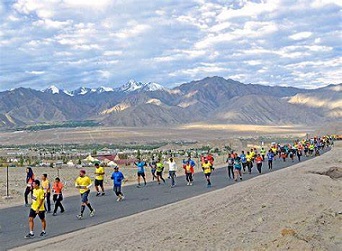
Ladakh Marathon
The Ladakh Marathon is not your typical race. Nestled in the stunning Himalayan region of Ladakh, this marathon offers a unique blend of adventure, endurance, and awe-inspiring landscapes. Let’s dive into the details of this extraordinary event. Race Details Challenges and Rewards Tips for Success Conclusion The Ladakh Marathon isn’t just a race; it’s an adventure that combines physical endurance with the magic of the Himalayas. Lace up your running shoes, breathe in the crisp mountain air, and embrace the challenge!

Satara Hill Half Marathon
In the heart of Maharashtra lies the quaint city of Satara, known for its scenic beauty and historical significance. But every year, this serene town transforms into a bustling hub of energy and enthusiasm as it hosts one of the most challenging and exhilarating races in India—the Satara Hill Half Marathon. This event is not just another race; it’s a test of endurance, willpower, and the spirit of adventure. A Race Like No Other The Satara Hill Half Marathon, often referred to as SHHM, has gained a reputation for being one of the toughest half marathons in the country. The race is unique not only for its stunning route but also for the grueling elevation that runners must conquer. The course takes participants through the winding roads of the Western Ghats, offering breathtaking views of lush green valleys, misty hills, and cascading waterfalls. However, these picturesque sights come with a price—an elevation gain that can leave even seasoned runners gasping for breath. The race begins in the early hours of the morning when the air is crisp and the surroundings are still cloaked in a gentle mist. As the runners take their first steps, they are greeted by the cool breeze and the soothing sounds of nature. But as they progress, the real challenge begins. The route ascends steeply, with gradients that can reach up to 8-10%, making it a true test of physical and mental endurance. The Spirit of Satara Hill Half Marathon What makes the Satara Hill Half Marathon truly special is the community that comes together to support the event. The residents of Satara take immense pride in hosting this marathon, and their warmth and hospitality are evident at every turn. Local volunteers line the route, offering water, energy drinks, and words of encouragement to the runners. Children cheer from the sidelines, and musicians play traditional instruments, adding to the festive atmosphere. The race is more than just a physical challenge; it’s a celebration of the spirit of Satara. The city comes alive with cultural performances, local cuisine, and a sense of camaraderie that extends beyond the finish line. Whether you’re a first-time participant or a seasoned marathoner, the support from the local community is something you’ll never forget. Training for the Hills Preparing for the Satara Hill Half Marathon requires more than just regular running practice. Given the steep inclines, runners need to incorporate hill training into their regimen. This involves running on gradients, strength training for the legs, and building cardiovascular endurance. The unpredictable weather can also be a factor, with sudden downpours or intense humidity adding to the challenge. But it’s not just about physical preparation. The mental aspect is equally important. The relentless climb can be daunting, and there will be moments when giving up seems like the easier option. It’s during these times that mental resilience comes into play. Many runners find that focusing on the beauty of the surroundings or breaking the race into smaller, manageable segments can help them push through the toughest parts. Beyond the Finish Line Crossing the finish line at the Satara Hill Half Marathon is an achievement like no other. The sense of accomplishment is heightened by the knowledge that you’ve conquered one of the most challenging half marathons in India. But the race is just one part of the experience. Participants often spend the rest of the day exploring the beauty of Satara. From the iconic Kaas Plateau, known as the “Valley of Flowers,” to the majestic Ajinkyatara Fort, there’s plenty to see and do. The local cuisine, with its blend of spicy and tangy flavors, is a treat for the taste buds, and no visit to Satara is complete without trying the famous Misal Pav. The Legacy of SHHM The Satara Hill Half Marathon is more than just a race; it’s a journey of self-discovery. Every runner who takes on the challenge of the hills of Satara carries with them a story of perseverance, grit, and triumph. Over the years, the marathon has grown in popularity, attracting participants from across the country and even internationally. For many, the SHHM is a bucket-list event—a race that tests their limits and leaves them with memories that last a lifetime. Whether you’re chasing a personal best, running for a cause, or simply looking to experience the thrill of the climb, the Satara Hill Half Marathon offers an unforgettable experience. In the end, the Satara Hill Half Marathon is a celebration of the human spirit—a testament to the fact that with determination and resilience, even the steepest of hills can be conquered.

Discover the Kaveri Trail Marathon
For running enthusiasts, the Kaveri Trail Marathon (KTM) is more than just another race—it’s an immersive experience in the heart of nature, where the rhythm of your footsteps aligns with the serene flow of the Kaveri River. Held annually in the picturesque settings of Srirangapatna, Karnataka, this marathon has grown from a small, community-driven event to a highly anticipated race that attracts runners from across the country and beyond. A Race with a Rich History The Kaveri Trail Marathon was first organized in 2007, originally conceived as a training run for those participating in the Bangalore Ultra Marathon. However, the unique charm of the route quickly captivated the hearts of runners, leading to the event becoming a full-fledged marathon. Over the years, KTM has maintained its commitment to offering a race that emphasizes the joy of running in a natural setting, free from the usual hustle and bustle of urban races. The Scenic Route One of the most distinctive features of the Kaveri Trail Marathon is its stunning course. The marathon route meanders along the banks of the Kaveri River, offering runners breathtaking views of lush greenery, paddy fields, and the tranquil river itself. The trail is predominantly flat, with a mix of mud paths and narrow trails, providing a refreshing change from the concrete roads typical of many urban marathons. The race offers various distances, catering to runners of all levels—from the full marathon (42.195 km) to a half marathon (21.1 km), 10K, and even a 5K run for beginners. Regardless of the distance, each race allows participants to experience the region’s natural beauty up close, making the journey as rewarding as the finish line. A Test of Endurance and Spirit Though the Kaveri Trail Marathon is celebrated for its scenic beauty, it is not without its challenges. The course can be demanding due to the warm and humid weather, especially in the later stages of the race. The narrow trails require careful navigation, and the lack of urban amenities means runners must rely on their preparation and the support provided by the event organizers. However, these challenges only add to the race’s appeal, offering a test of endurance that is as much mental as it is physical. The satisfaction of crossing the finish line after conquering these obstacles is unmatched, leaving participants with a sense of accomplishment that lingers long after the race is over. Community and Camaraderie The Kaveri Trail Marathon is known for its strong sense of community. The event is organized by Runners for Life, a group that has played a pivotal role in promoting running as a sport across India. The marathon is a celebration of the running community, bringing together people from diverse backgrounds who share a common passion for the sport. Participants often speak of the camaraderie that permeates the event—from the encouragement of fellow runners to the support from volunteers and local villagers who cheer participants on along the route. This sense of community, coupled with the beauty of the surroundings, makes the Kaveri Trail Marathon a truly unique experience. Sustainable Running In recent years, the organizers have also emphasized the importance of sustainability. The Kaveri Trail Marathon has taken steps to minimize its environmental impact by reducing plastic waste, encouraging carpooling among participants, and working with local communities to ensure that the race leaves a positive impact on the region. Conclusion The Kaveri Trail Marathon is more than just a race; it’s an experience that combines the thrill of running with the beauty of nature. Whether you’re a seasoned marathoner or a newcomer to the sport, this event offers an opportunity to challenge yourself, connect with a vibrant community, and enjoy the simple pleasure of running in one of India’s most scenic landscapes. If you’re looking for a race that goes beyond the ordinary, the Kaveri Trail Marathon should be on your list.
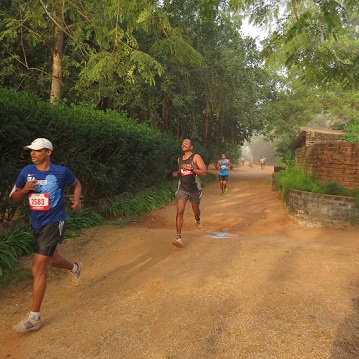
Auroville Marathon: Running Towards Harmony and Community
Nestled in the tranquil landscapes of Tamil Nadu, the Auroville Marathon is not just a race but a celebration of human unity, peace, and sustainability. Unlike many marathons that focus purely on the athletic aspect, the Auroville Marathon is deeply rooted in the ethos of Auroville, a universal township dedicated to the vision of human unity. A Unique Auroville Marathon Experience What sets the Auroville Marathon apart is its emphasis on non-competitiveness. There are no cash prizes or timing chips, and the focus is on the joy of running and participating. This approach aligns with the principles of Auroville, where the community thrives on cooperation, respect, and a shared purpose. A Community-Driven Event The marathon is a true reflection of Auroville’s community spirit. Organized by volunteers from the Auroville community, the event brings together people from different backgrounds, nationalities, and age groups. Whether they are seasoned marathoners, casual runners, or first-timers, all participants are welcomed with open arms. The support stations along the route, manned by enthusiastic volunteers, provide not just water and refreshments but also words of encouragement and a sense of belonging. This community-driven approach makes the Auroville Marathon a heartwarming experience where the journey matters more than the destination. Running for a Cause While the Auroville Marathon is non-commercial and non-competitive, it is also a platform for promoting sustainability and environmental consciousness. The event is plastic-free, with a strong emphasis on reducing waste and minimizing the environmental footprint. Runners are encouraged to carry their own water bottles, and the use of eco-friendly materials is prioritized throughout the event. In line with Auroville’s commitment to sustainability, the marathon also highlights various social and environmental causes. Participants often run in support of initiatives that promote education, health, and environmental conservation, adding a layer of purpose to their participation. A Cultural Extravaganza The Auroville Marathon is not just about running; it’s a cultural extravaganza that celebrates the diversity and creativity of the Auroville community. The event usually features music, dance performances, and art exhibitions, creating a festive atmosphere that resonates with the spirit of Auroville. For visitors and participants, the marathon is an opportunity to explore the unique culture of Auroville, which blends Eastern and Western philosophies, art, and spirituality. The post-marathon celebrations are a testament to the community’s vibrant and inclusive culture, where everyone is invited to join in the festivities. A Journey Within For many participants, the Auroville Marathon is more than just a physical challenge; it’s a journey within. The peaceful surroundings, coupled with the non-competitive nature of the event, allow runners to reflect, meditate, and find inner peace. It’s not uncommon for runners to describe the experience as transformative, as they connect with their inner selves while traversing the beautiful trails of Auroville. Conclusion The Auroville Marathon is a testament to the power of community, harmony, and sustainability. It’s a unique event that brings together people from all walks of life to run, not just for fitness, but for a greater cause. In a world that often emphasizes competition and individual achievement, the Auroville Marathon stands out as a reminder of the importance of unity, cooperation, and the joy of simply being. Whether you’re an avid runner or someone seeking a deeper connection with yourself and the world around you, the Auroville Marathon offers an experience that is both enriching and uplifting. Join the run, and become a part of a movement that celebrates the essence of humanity.

Goa River Marathon – a sneak peek
Nestled along the scenic banks of the Zuari River, the Goa River Marathon offers a unique blend of athletic challenge, natural beauty, and cultural vibrancy. This annual event has grown into one of India’s most anticipated marathons, drawing participants from all over the country and beyond. Whether you’re a seasoned marathoner, a casual runner, or someone looking for a memorable experience in Goa, this marathon has something for everyone. A Journey Through Paradise The Goa River Marathon is more than just a race—it’s a journey through one of India’s most picturesque landscapes. The marathon route meanders along the serene Zuari River, offering runners breathtaking views of lush green fields, traditional Goan villages, and the tranquil river itself. The early morning start ensures participants can witness the stunning sunrise over the river, making the experience as visually rewarding as it is physically challenging. Categories for All Levels One of the highlights of the Goa River Marathon is its inclusivity. The event features several categories to accommodate runners of all ages and skill levels. The full marathon (42.195 km) is a true test of endurance, while the half marathon (21.097 km) offers a slightly less grueling challenge. For those who prefer shorter distances, there’s a 10 km run, and even a 5 km fun walk/run designed to encourage participation from families and beginners. Each category is carefully planned to ensure that participants have a safe and enjoyable experience. The race organizers prioritize runner safety, with well-marked routes, hydration stations, and medical support readily available throughout the course. Beyond the Race: A Festival Atmosphere The Goa River Marathon is not just about running; it’s a celebration of community and culture. The event typically coincides with local festivities, allowing participants and spectators to immerse themselves in Goan culture. From traditional music and dance performances to stalls offering local delicacies, the marathon venue is transformed into a lively festival ground. Families and friends of participants often come to support their loved ones, turning the marathon into a social event that fosters camaraderie and community spirit. The post-race celebrations are particularly popular, with live entertainment, award ceremonies, and opportunities to mingle with fellow runners. A Cause Worth Running The Goa River Marathon also plays a significant role in promoting social causes. Many participants choose to run for charity, raising funds for various local and national initiatives. The event has a strong focus on environmental sustainability, with organizers taking steps to minimize waste and promote eco-friendly practices. This includes reducing plastic use, ensuring proper waste disposal, and encouraging participants to be mindful of their environmental impact. Training and Preparation Running a marathon requires preparation, and the Goa River Marathon is no exception. Goa’s warm and humid climate can be challenging, so acclimatization is key. Many runners incorporate early morning or late evening runs into their training to mimic the marathon’s conditions. Hydration and nutrition also play a crucial role in preparation. Runners are advised to stay well-hydrated and maintain a balanced diet in the weeks leading up to the race. Goa’s local cuisine offers a variety of healthy options, with fresh seafood, fruits, and vegetables providing the necessary fuel for marathon training. How to Participate Participating in the Goa River Marathon is simple. Registration usually opens a few months before the event, with early bird discounts available for those who sign up early. The marathon’s official website provides all the necessary details, including race categories, routes, and accommodation options. For those traveling from outside Goa, the state offers a wide range of accommodation options, from budget-friendly guesthouses to luxury resorts. Many runners choose to extend their stay and explore Goa’s famous beaches, historic sites, and vibrant nightlife after the marathon. Conclusion The Goa River Marathon is more than just a race—it’s an experience that combines the thrill of competition with the beauty of nature and the warmth of Goan hospitality. Whether you’re chasing a personal best or simply looking to enjoy a unique running event, the Goa River Marathon promises an unforgettable adventure. So lace up your running shoes, soak in the stunning views, and get ready to be part of something special.
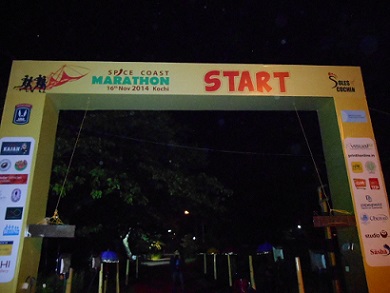
The Spice Coast Marathon
The Spice Coast Marathon is not just another race on the calendar; it’s a vibrant celebration of Kochi’s rich history, culture, and scenic beauty. Held annually in the coastal city of Kochi, Kerala, this marathon has grown in popularity, drawing runners from all over the country and beyond. Here’s a closer look at what makes the Spice Coast Marathon a must-experience event for runners and spectators alike. A Journey Through History Kochi, often referred to as the “Queen of the Arabian Sea,” is a city steeped in history. From the colonial-era buildings to the bustling spice markets, the city is a testament to its past as a major trading hub. The marathon course is designed to take runners through some of the most iconic landmarks in the city, offering a unique blend of history and modernity. As participants race along the streets, they pass by Fort Kochi, with its picturesque streets lined with colonial-era architecture, and the iconic Chinese fishing nets that have become synonymous with the city’s image. The route also takes runners along the scenic Marine Drive, offering stunning views of the backwaters and the harbor. The Spirit of the Spice Coast The Spice Coast Marathon is more than just a physical challenge; it’s an experience that embodies the spirit of Kerala. The state is known for its hospitality, and this is evident in the way the marathon is organized. From the enthusiastic volunteers who line the streets, cheering on runners, to the local residents who offer refreshments, the sense of community is palpable. Kerala’s rich cultural heritage is also on full display during the marathon. Traditional music and dance performances are held at various points along the route, providing runners with a taste of the local culture. The post-race celebrations are equally vibrant, with participants treated to a traditional Kerala feast, complete with local delicacies like appam, stew, and banana chips. Challenges and Rewards While the Spice Coast Marathon is undoubtedly a visual and cultural feast, it’s also a challenging race. The humid coastal climate can be tough on runners, especially those who are not used to such conditions. However, the organizers go to great lengths to ensure that participants are well taken care of, with ample water stations and medical support available throughout the course. For those who conquer the marathon, the rewards are many. Beyond the personal satisfaction of completing the race, runners receive a medal that is as unique as the event itself—crafted from locally sourced materials and inspired by the region’s maritime history. Why You Should Run the Spice Coast Marathon Whether you’re a seasoned marathoner or a beginner looking for a unique experience, the Spice Coast Marathon is a race that should be on your bucket list. It offers the perfect combination of challenge, culture, and community, all set against the backdrop of one of India’s most beautiful coastal cities. Running the Spice Coast Marathon is not just about crossing the finish line; it’s about immersing yourself in the essence of Kochi, experiencing the warmth of its people, and taking part in a tradition that celebrates both the past and the present. So lace up your running shoes, take in the salty sea breeze, and get ready to experience a marathon like no other. The Spice Coast Marathon awaits you in Kochi, where every step is a journey through time and every mile tells a story.