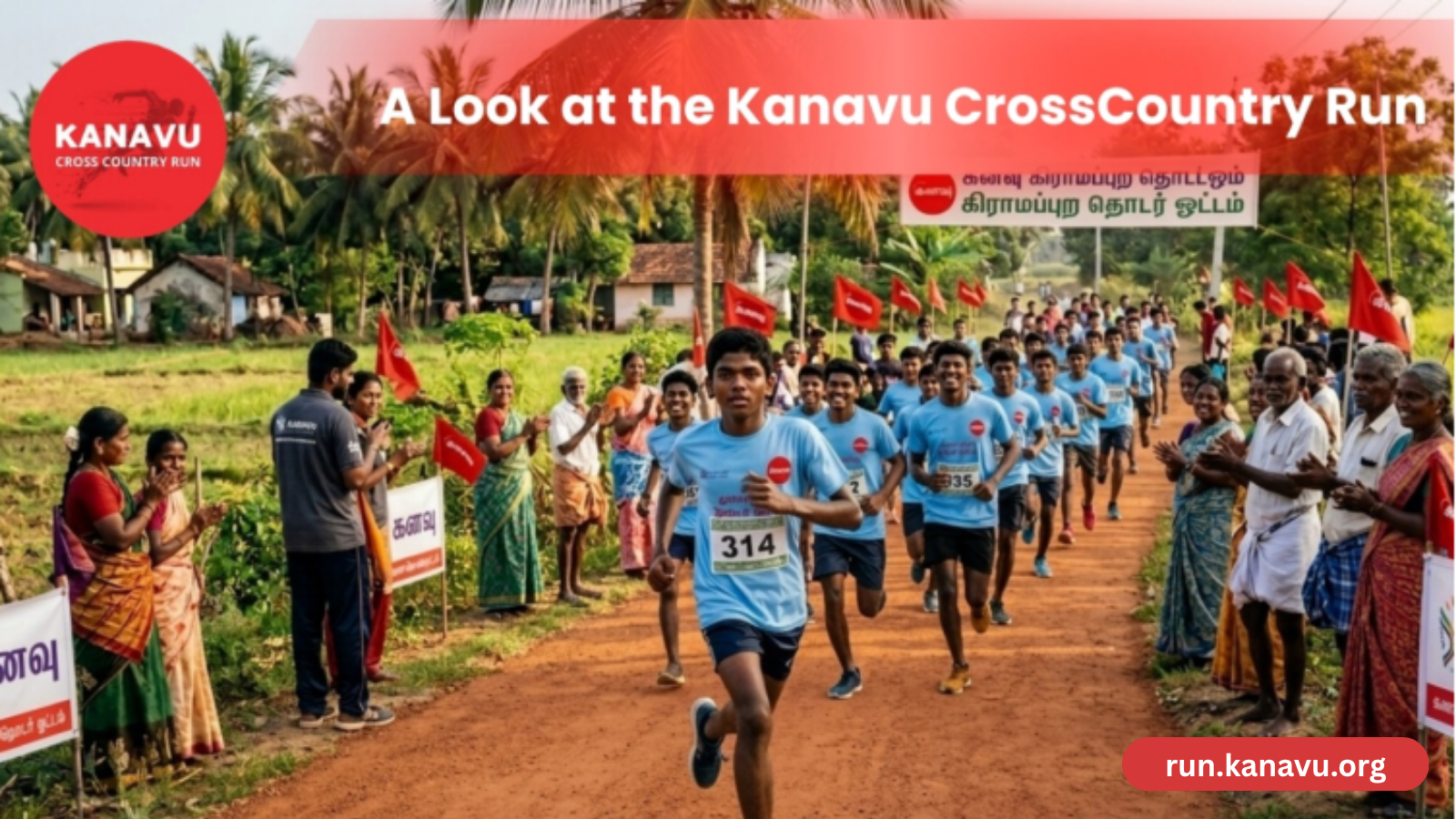
In many villages, talent, energy, and dreams are high, but organised sports spaces are few, which is why the Kanavu Cross Country Run has become such a powerful symbol in recent years. Set in the calm village surroundings of Annamalaikottai, this yearly event turns simple mud paths and fields into a live classroom for health, courage, and community spirit. For anyone interested in rural youth fitness in India, the run shows what happens when a village, volunteers, and young runners come together around a clear purpose and a shared sense of pride. By offering distances from 1.5 km to 15 km and welcoming first timers as well as trained athletes, the Kanavu team proves that fitness can be inclusive, low-cost, and deeply inspiring at the same time. Young people who once ran only on fields or village roads now experience proper race bibs, marked routes, and cheering crowds, all within their own locality. In a quiet but steady way, the event supports the kind of grassroots sports development India needs most: local runs that are easy to access, rooted in culture, and focused on long-term change rather than just one exciting race day. This article looks at how Kanavu is sparking that shift, and how a single village run can open a wider path toward fitness and sport for rural youth across the country How Kanavu Cross Country Run Is Building Grassroots Sports Culture in Rural Tamil Nadu At its heart, the Kanavu Cross Country Run is a village-level project that looks small on paper but carries big impact on the ground. It takes place on nature-rich village trails, far from city stadiums, and shows that grassroots sports development India dreams about can start with basic roads, open fields, and committed organisers. Key ways it builds culture at the grassroots: For rural youth fitness in India, the visibility of a big yet village-centred event matters. Young people see runners from their own streets wear bibs, stand on podiums, and get recognised by sponsors and local leaders. This breaks the idea that “sports are only for city kids” and makes running a normal part of village life. Over time, that mindset shift is the real foundation of grassroots sports development India needs: This section sets up your branch blog, “How Kanavu Cross Country Run Is Building Grassroots Sports Culture in Rural Tamil Nadu,” where you can later go deeper into programmes, volunteers, and school partnerships. From Village Fields to Marathon Tracks: How Kanavu Cross Country Run Transforms Rural Youth For many participants, the Kanavu Cross Country Run is their first time seeing a properly organised race with bibs, timing, warm-up, and cheering crowds. Most of them have run in fields or on village roads before, but they have never seen running treated as a structured sport. This is where rural youth fitness in India moves from casual play to serious, proud effort. The transformation happens through clear stages: This journey supports grassroots sports development India cannot build only through top down schemes. Real change starts when a teenager from a small village believes: “If I can run 5 km today, maybe I can aim for 10 km or even a city marathon tomorrow.” Your future branch blog, “From Village Fields to Marathon Tracks,” can focus on these personal stories, interviews, and role models that show how a single race can change a young person’s view of fitness and future. Why Kanavu Cross Country Run Is the Best Rural Fitness Event for Indian Youth Among many races happening in cities, the Kanavu Cross Country Run stands out because it is designed for villagers first, and visitors second. This makes it one of the most relevant events for rural youth fitness in India, where travel costs, lack of gear, and fear of city crowds often stop talented youth from joining big marathons. Reasons it works so well as a rural fitness event: From an analytical view, this is grassroots sports development India done right: Common mistakes some rural events make (and that organisers can avoid): Kanavu Cross Country Run: A Case Study in Rural Youth Sports Participation Because the Kanavu Cross Country Run repeats every year and draws large numbers of village participants, it works as a living case study in rural youth fitness in India. Organisers, sponsors, and educators can observe how attitudes, numbers, and performance change over time when a consistent event is present. A case study view can look at: Modern tools make this easier: This section flows naturally into your future branch blog, “Kanavu Cross Country Run: A Case Study in Rural Youth Sports Participation,” where you can later add charts, interviews, and more detailed analysis. Empowering Rural Athletes: The Impact of KCCR on Local Communities Finally, the Kanavu Cross Country Run is not only about individuals; it is about whole communities seeing sports as a path to dignity, unity, and better health. For rural youth fitness in India, events like this show that you do not need a big stadium to build champions of courage and discipline. Impacts on rural athletes and communities include: From a broader grassroots sports development India view, this creates a loop: Your branch blog, “Empowering Rural Athletes: The Impact of Kanavu Cross Country Run on Local Communities,” can later dive into sponsor roles, partner NGOs, and families’ stories of change. Shaping the Future of Rural Youth Fitness Through KCCR Looking across all these layers, the Kanavu Cross Country Run proves that a single, well-planned village event can spark lasting improvements in rural youth fitness in India. It builds a culture of movement in Tamil Nadu’s villages, turns open fields into training grounds, and gives rural children and teens a reason to believe that their dreams belong on the same track as anyone else’s. By acting as a live example of grassroots sports development India can replicate, Kanavu shows policymakers, schools, and sponsors that local, inclusive events are not a luxury they are a base requirement. For writers and planners, this root blog lets you slowly branch into focused topics: building sports culture, tracking youth journeys from fields to marathon tracks, analysing why Kanavu’s format works so well, and documenting its impact on rural athletes and communities. If you want to see