

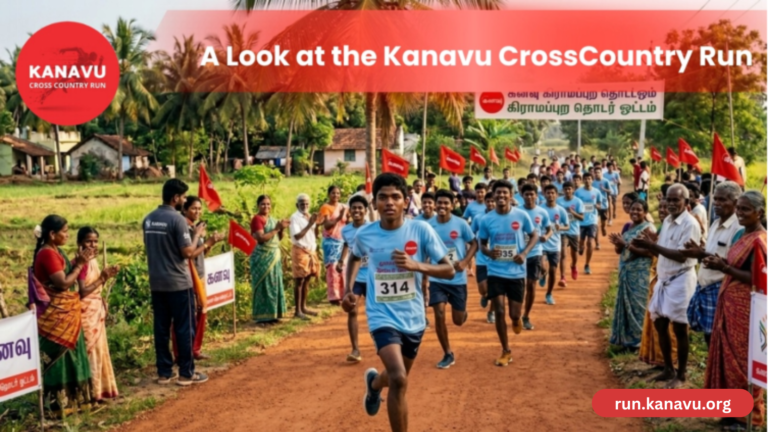
In many villages, talent, energy, and dreams are high, but organised sports spaces are few, which is why the Kanavu Cross Country Run has become such a powerful symbol in recent years. Set in the calm village surroundings of Annamalaikottai, this yearly event turns simple mud paths and fields into a live classroom for health, courage, and community spirit. For anyone interested in rural youth fitness in India, the run shows what happens when a village, volunteers, and young runners come together around a clear purpose and a shared sense of pride.
By offering distances from 1.5 km to 15 km and welcoming first timers as well as trained athletes, the Kanavu team proves that fitness can be inclusive, low-cost, and deeply inspiring at the same time. Young people who once ran only on fields or village roads now experience proper race bibs, marked routes, and cheering crowds, all within their own locality. In a quiet but steady way, the event supports the kind of grassroots sports development India needs most: local runs that are easy to access, rooted in culture, and focused on long-term change rather than just one exciting race day. This article looks at how Kanavu is sparking that shift, and how a single village run can open a wider path toward fitness and sport for rural youth across the country
How Kanavu Cross Country Run Is Building Grassroots Sports Culture in Rural Tamil Nadu
At its heart, the Kanavu Cross Country Run is a village-level project that looks small on paper but carries big impact on the ground. It takes place on nature-rich village trails, far from city stadiums, and shows that grassroots sports development India dreams about can start with basic roads, open fields, and committed organisers.
Key ways it builds culture at the grassroots:
- Regular annual event: Youth know the run is coming each year, so training becomes a habit, not a one-time effort.
- Local ownership: Volunteers, schools, small businesses, and farmers feel the event belongs to them, which keeps participation high.
- Cause-based running: The race supports health, education, and rural development themes, so every kilometre feels meaningful.
For rural youth fitness in India, the visibility of a big yet village-centred event matters. Young people see runners from their own streets wear bibs, stand on podiums, and get recognised by sponsors and local leaders. This breaks the idea that “sports are only for city kids” and makes running a normal part of village life. Over time, that mindset shift is the real foundation of grassroots sports development India needs:
- Children start running games in streets after school
- Schools form small running groups for Kanavu preparation
- Parents slowly accept sports as a path to health, confidence, even future opportunities
This section sets up your branch blog, “How Kanavu Cross Country Run Is Building Grassroots Sports Culture in Rural Tamil Nadu,” where you can later go deeper into programmes, volunteers, and school partnerships.
From Village Fields to Marathon Tracks: How Kanavu Cross Country Run Transforms Rural Youth
For many participants, the Kanavu Cross Country Run is their first time seeing a properly organised race with bibs, timing, warm-up, and cheering crowds. Most of them have run in fields or on village roads before, but they have never seen running treated as a structured sport. This is where rural youth fitness in India moves from casual play to serious, proud effort.
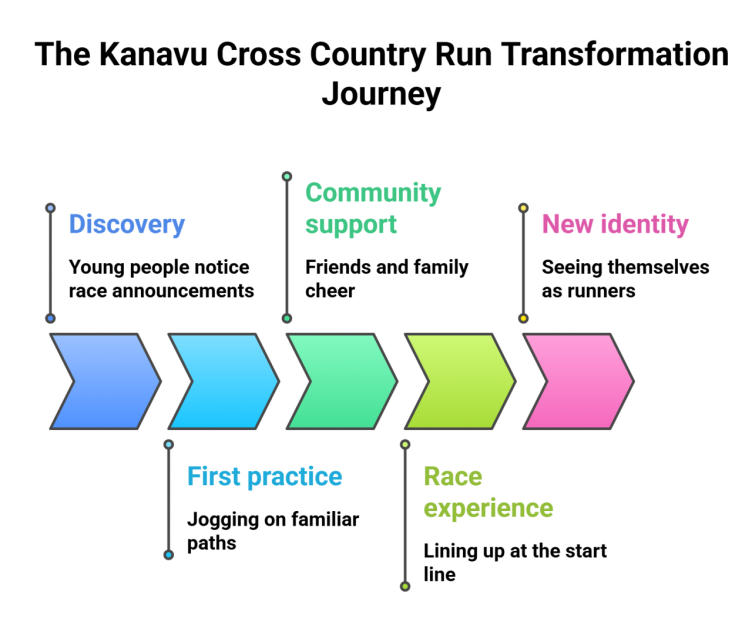
The transformation happens through clear stages:
- Discovery: Young people notice posters, social media clips, and local announcements about the race.
- First practice: They start jogging on familiar paths, often in regular slippers or school shoes, just to “test” if they can finish shorter distances.
- Community support: Friends, teachers, and families cheer them, sometimes joining evening walks and runs, turning training into a social activity.
- Race experience: They line up at the Kanavu Cross Country Run start line, stand next to hundreds of other runners, and feel the energy of a real event.
- New identity: After finishing, many no longer see themselves as “just a student” or “just a farmer’s child” but as a runner, an athlete.
This journey supports grassroots sports development India cannot build only through top down schemes. Real change starts when a teenager from a small village believes: “If I can run 5 km today, maybe I can aim for 10 km or even a city marathon tomorrow.” Your future branch blog, “From Village Fields to Marathon Tracks,” can focus on these personal stories, interviews, and role models that show how a single race can change a young person’s view of fitness and future.
Why Kanavu Cross Country Run Is the Best Rural Fitness Event for Indian Youth
Among many races happening in cities, the Kanavu Cross Country Run stands out because it is designed for villagers first, and visitors second. This makes it one of the most relevant events for rural youth fitness in India, where travel costs, lack of gear, and fear of city crowds often stop talented youth from joining big marathons.
Reasons it works so well as a rural fitness event:
- Accessible venue: Annamalaikottai’s clean, low-traffic environment feels safe for new runners and parents alike.
- Multiple race categories: With 1.5 km, 3 km, 5 km, 10 km, and 15 km, the event lets youth pick targets that match their current level.
- Low barrier entry: No need for expensive shoes or gadgets; many start with basic gear and still enjoy a full race day experience.
- Community energy: Local drums, village snacks, and cheering lines create an atmosphere that feels like a festival as much as a fitness event.
From an analytical view, this is grassroots sports development India done right:
- It reduces economic barriers.
- It keeps the cultural flavour of the village.
- It combines sports, health, and social causes instead of treating running as a hobby for a small group.
Common mistakes some rural events make (and that organisers can avoid):
- Focusing only on elite runners and ignoring beginners.
- Making race fees too high for students or farm workers.
- Choosing complex routes that feel unsafe or confusing.
- Giving little attention to water, first aid, and rest areas.
- Forgetting follow-up engagement after race day.
Kanavu Cross Country Run: A Case Study in Rural Youth Sports Participation
Because the Kanavu Cross Country Run repeats every year and draws large numbers of village participants, it works as a living case study in rural youth fitness in India. Organisers, sponsors, and educators can observe how attitudes, numbers, and performance change over time when a consistent event is present.
A case study view can look at:
- Participation trends: Growth in school groups, girls’ participation, and repeat runners.
- Performance shifts: Youth moving from 1.5 km in their first year to 5 km or 10 km in later years.
- Behaviour change: More daily walking, cycling, and interest in diet and sleep among regular runners.
- Community impact: Local pride, small businesses serving runners, and village identity linked with health and sport.
Modern tools make this easier:
- Basic timing systems and bib data help track how many rural athletes come back each year.
- Photos, short films, and social media posts from the Kanavu Cross Country Run Instagram page amplify stories of progress.
- Partner articles and sponsor reports position the race as a model for grassroots sports development India stakeholders can learn from.
This section flows naturally into your future branch blog, “Kanavu Cross Country Run: A Case Study in Rural Youth Sports Participation,” where you can later add charts, interviews, and more detailed analysis.
Empowering Rural Athletes: The Impact of KCCR on Local Communities
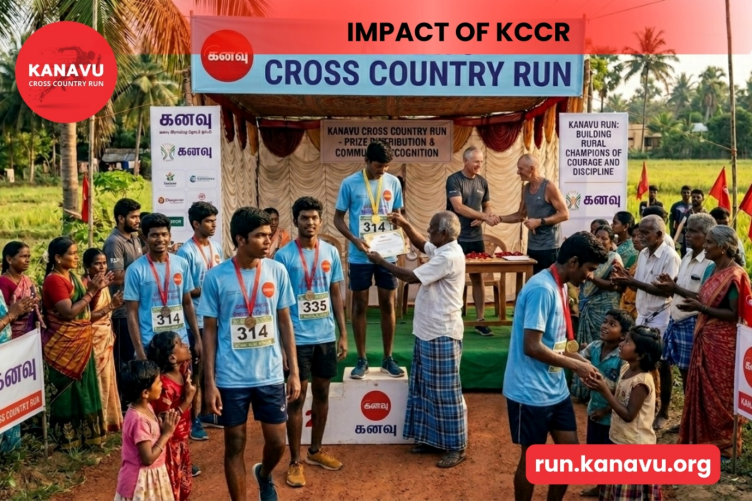
Finally, the Kanavu Cross Country Run is not only about individuals; it is about whole communities seeing sports as a path to dignity, unity, and better health. For rural youth fitness in India, events like this show that you do not need a big stadium to build champions of courage and discipline.
Impacts on rural athletes and communities include:
- Recognition: Rural runners receive medals, certificates, and sometimes sponsor-backed awards, proving their talent is visible and valued.
- Networks: Youth meet coaches, health experts, and mentors who share tips on training, nutrition, and future opportunities.
- Role models: Younger children watch older runners and dream of standing on that stage one day, fuelling the next wave of participation.
From a broader grassroots sports development India view, this creates a loop:
- The event inspires youth.
- Youth train and improve.
- Better performance attracts sponsors and partners.
- Stronger support makes the event bigger and more effective each year.
Your branch blog, “Empowering Rural Athletes: The Impact of Kanavu Cross Country Run on Local Communities,” can later dive into sponsor roles, partner NGOs, and families’ stories of change.
Shaping the Future of Rural Youth Fitness Through KCCR
Looking across all these layers, the Kanavu Cross Country Run proves that a single, well-planned village event can spark lasting improvements in rural youth fitness in India. It builds a culture of movement in Tamil Nadu’s villages, turns open fields into training grounds, and gives rural children and teens a reason to believe that their dreams belong on the same track as anyone else’s.
By acting as a live example of grassroots sports development India can replicate, Kanavu shows policymakers, schools, and sponsors that local, inclusive events are not a luxury they are a base requirement. For writers and planners, this root blog lets you slowly branch into focused topics: building sports culture, tracking youth journeys from fields to marathon tracks, analysing why Kanavu’s format works so well, and documenting its impact on rural athletes and communities.
If you want to see how the event is structured, explore race categories, or guide a group of rural youth towards their first run, visit run.kanavu.org. There you can review distances, safety measures, and upcoming dates, and start planning how your school, NGO, or community can join the next edition of the Kanavu Cross Country Run.
FAQs
1. What makes Kanavu Cross Country Run special for rural youth?
The Kanavu Cross Country Run is held in a village setting with routes designed for beginners and regular runners, making it ideal for rural youth fitness in India. It keeps costs low, uses familiar village paths, and creates a festival like environment that motivates youth to participate every year.
2. How does this event support grassroots sports development in India?
Kanavu acts as a repeatable model for grassroots sports development India needs, by offering inclusive categories, local ownership, and clear pathways for beginners to grow into serious runners. It shows how village-led events can build long-term fitness culture without needing large stadiums or heavy infrastructure.
3. Can schools and NGOs bring groups to Kanavu Cross Country Run?
Yes, schools, NGOs, and youth clubs often bring groups of students to the Kanavu Cross Country Run, using it as a practical extension of health and sports education. They can pick suitable distances, set training plans, and use the event as a yearly goal to keep children active and engaged.
4. Is the event safe for first-time runners from villages?
The organisers focus on clear route marking, water stations, and basic medical support to keep the Kanavu Cross Country Run safe for new runners. Shorter categories, village-friendly terrain, and a supportive crowd make it a welcoming place for first-timers from rural backgrounds.
5. How can I learn more or register for the next edition?
To know race dates, categories, and registration steps, visit run.kanavu.org, the official website of the Kanavu Cross Country Run. You will find updated event information and links to sign up as an individual, school group, or community team.